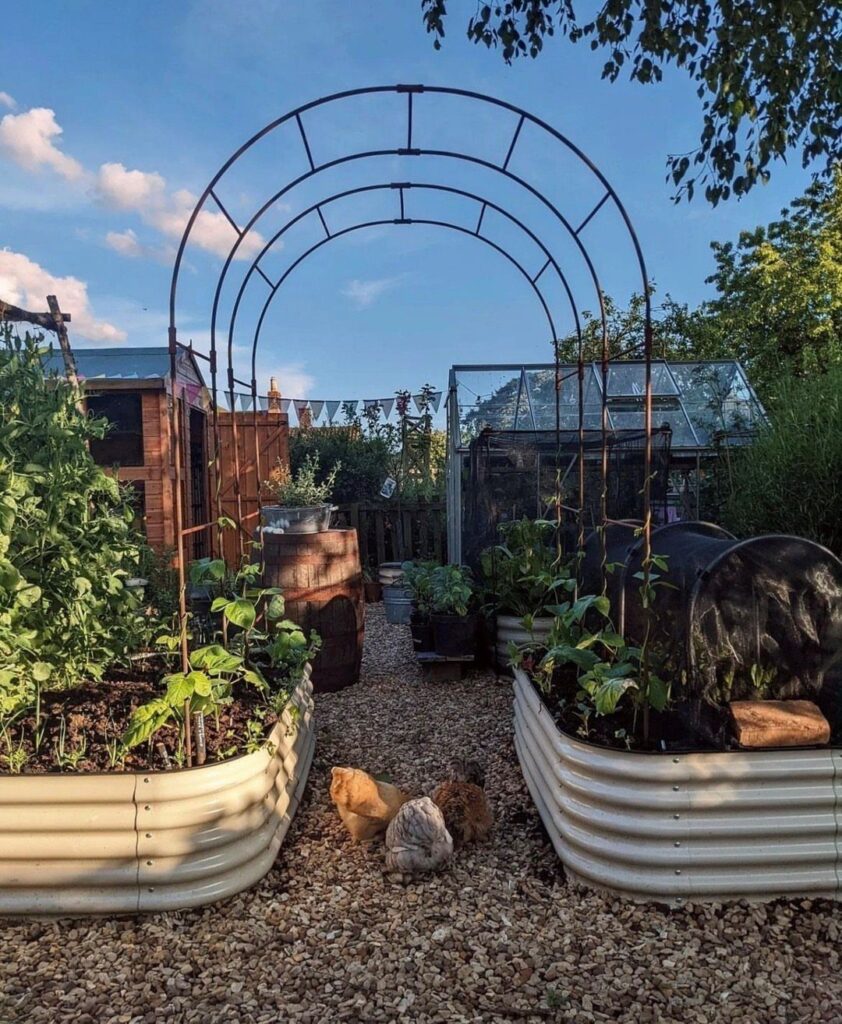
These 9 raised garden ideas range from a Saturday morning with stacked concrete blocks to a full day fitting dry stone, and the one that fits you depends on whether you need it gone by fall or want it to outlast the fence.
Straw bales decompose into compost by September while a stacked stone wall settles through frost after frost, and neither needs a single screw.
The concrete block bed I started with cost nothing, leftover from a neighbor’s patio, and was planted by afternoon.
[link-whisper-related-posts]1. Concrete Blocks
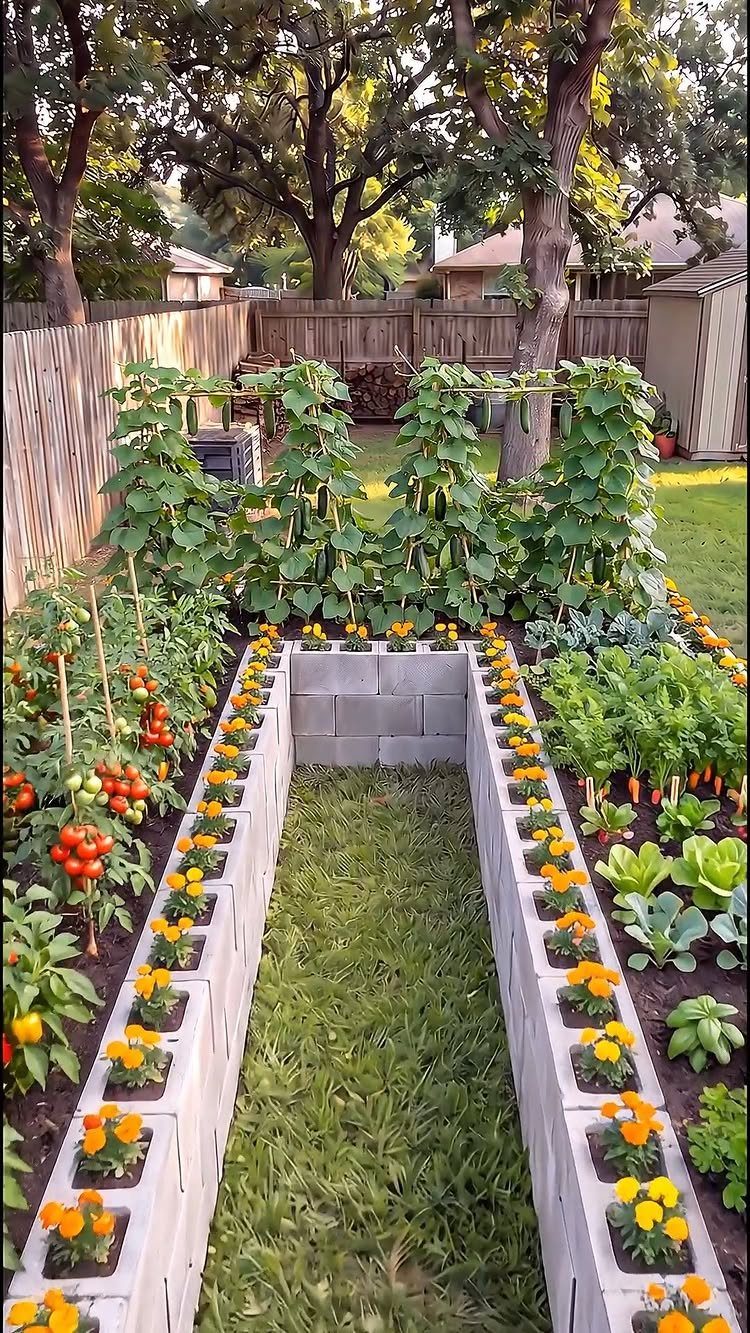
Concrete blocks stack dry, no mortar needed, which is why this is the first raised bed I ever built.
A rectangle on grass, cardboard flattened underneath to kill the grass without digging. The holes in each block fill with soil too; I planted marigolds in mine to keep pests down.
Stack two high if bending low is hard on your back.
The grey industrial look softens once tomatoes vine over the edges and herbs spill from the top holes. Leftover blocks from a neighbor’s patio project cost me nothing; new ones run cheap at any hardware store.
This is the bed you build Saturday morning and plant by afternoon.
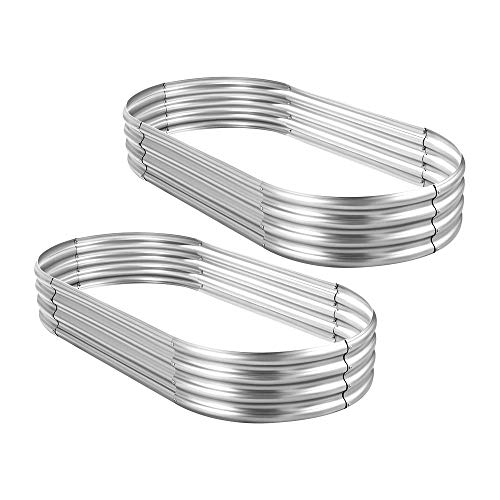
Each raised metal garden bed size: 4×2×1ft , 7Cu

Upgrade Backyard Aesthetics: raised bed corners features openwork flower dragonfly pattern, paired with an elegant vintage brown coating, blend artistry with practicality, transforming ordinary wooden planter into eye-catching focal point in backyard
2. Old Drawers and Dressers
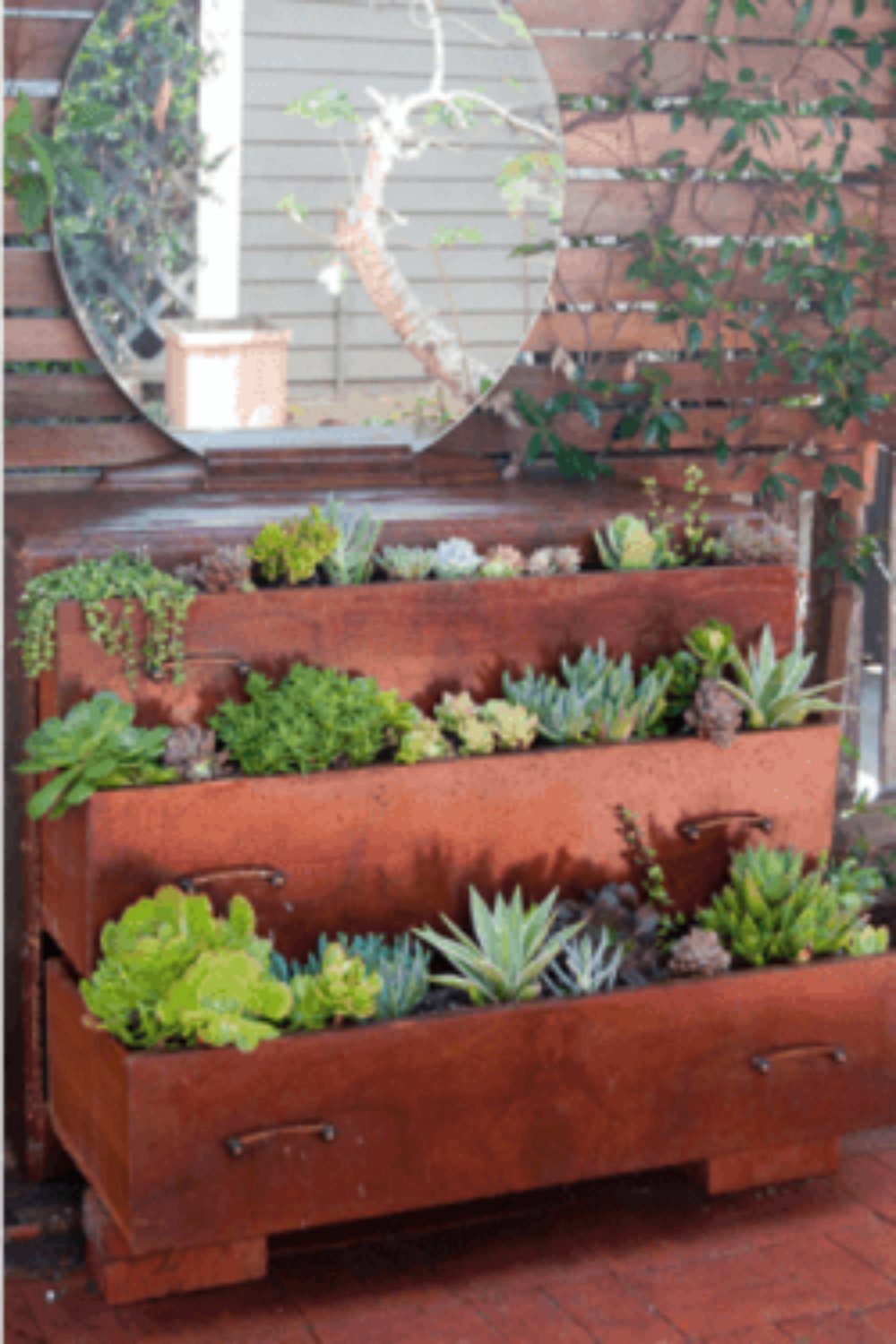
3 drawers pulled open like steps, each a shallow box of succulents, turns a dresser headed for the curb into something that stops people on the sidewalk.
The mirror still attached catches light and makes the whole thing feel like garden sculpture.
Strip the hardware so nothing rusts, line each drawer with landscape fabric to hold soil without rotting the wood too fast.
Stack drawers if you find matched ones, or leave a single dresser whole and pull drawers to staggered depths for a tiered cascade.
The wood will soften and grey over seasons. That aged look is half the point.

Decorative repurposed drawer planter box Made of wood with a distressed whitewash finish perfect for rustic decor Display in the windowsill or on the porch or patio Measures...
3. Corrugated Metal Sheets
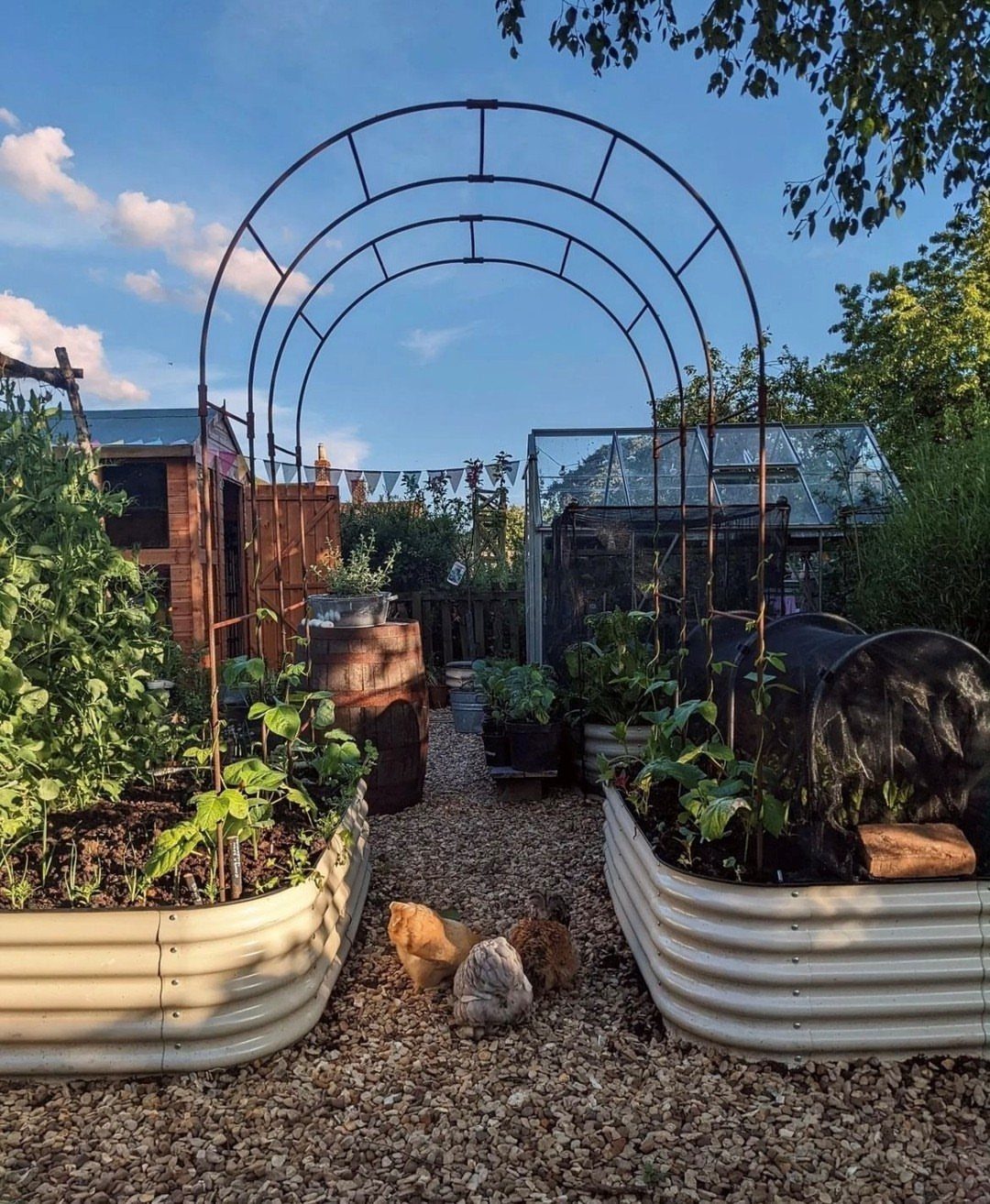
Corrugated metal bent into a box and bolted to wood corner posts gives a vegetable garden the clean lines of a shed or a barn.
The reflective surface bounces heat back on cool spring mornings, which my tomatoes appreciated the year I tried this in a partly shaded yard.
Cedar posts and silver bolts are the usual pairing; the metal sheets come in standard lengths at most farm supply stores.
Wear gloves. The cut edges bite.
This reads modern against gravel paths and clipped grass. Less suited to cottage gardens or anywhere you want things to look like they grew there on their own.

FLEXIBLE: Worth Garden landscape edging is composed of the premium galvanized steel that is sturdy and lasting as well as flexible without breaking; Use in straight lines, circles or unique shapes; These long strips of metal edging are flexible enough to bend to your exact specifications
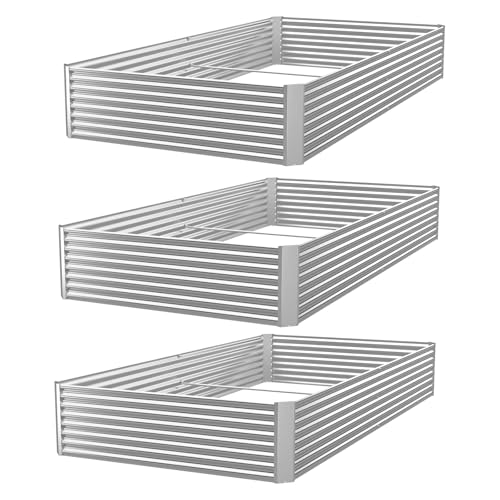
【Spacious and Versatile Growing Space】The CATMANOR raised garden beds outdoor offer plenty of room for growing vegetables, herbs, and flowers. The raised bed design helps make better use of planting space and works well for medium to deep-rooted plants like broccoli, beans, and similar crops.

【Spacious and Versatile Design】: The CATMANOR raised garden beds outdoor provide ample growing space for a variety of vegetables, herbs, and flowers. The raised bed design maximizes planting capacity, making it an ideal solution for gardening enthusiasts who want to grow medium to deep-rooted plants such as broccoli, beans, and more.
4. Straw Bales
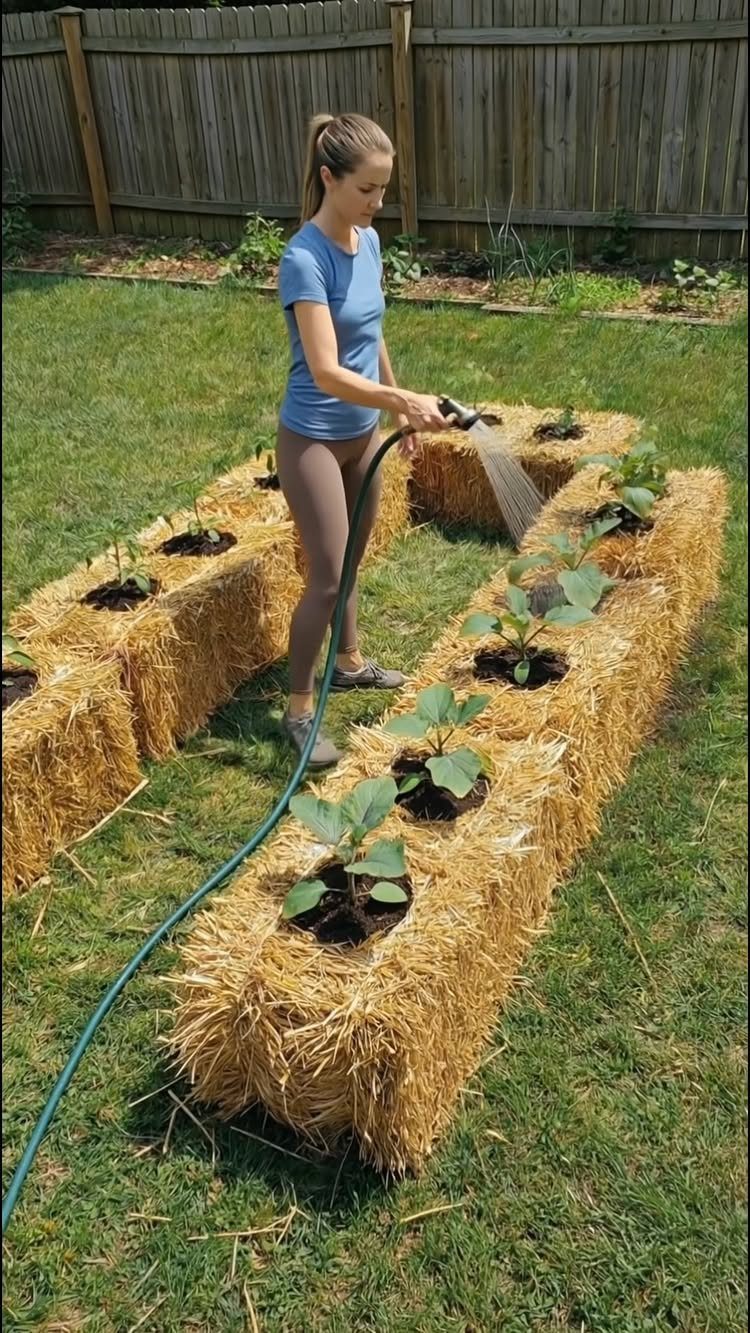
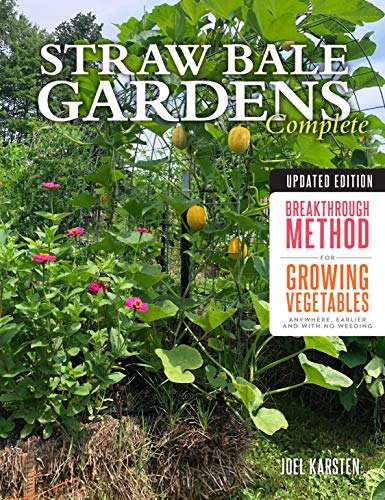
Straw bales are the only raised bed you can carry home in a car trunk and set out in an hour.
Line them up in a rectangle, soak them through until they start to cook inside, then fill the center with potting mix and plant directly.
The bales decompose through the season, feeding roots as they soften.
By fall you have a mound of compost where a bed stood. I watched a neighbor do this with tomatoes that grew past her shoulders; the height saved her knees and the warmth from decay gave early fruit.
No tools, no building, no permanent footprint. Renters take note.

Organic – All-Natural Premium Clean Processed Straw

PREMIUM ORGANIC GARDEN STRAW: High-quality organic straw harvested for superior coverage and durability—ideal mulch for gardening, raised garden beds, flower beds, composting, and lawn care projects.
5. Repurposed Tires
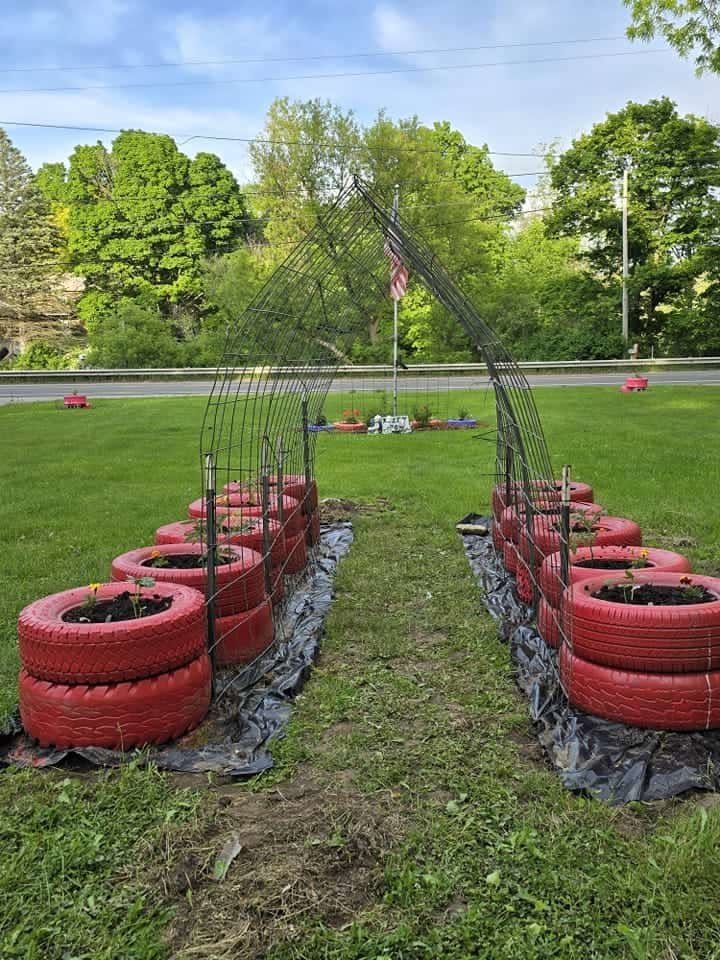
Stacked tires painted red turn landfill into a vertical garden that reads playful from across the yard.
The color is optional but the drainage is not; drill holes through the sidewall bases before filling with soil, or roots drown in the first hard rain.
A single tire becomes a single planter. Stack three and you have a tiered tower for strawberries or trailing greens, each ring a separate pocket.
The rubber holds heat, which extends the season slightly in fall and can cook shallow roots in a July heat wave; choose plants accordingly or shade the stack with afternoon cloth.

Ergonomic Height: Standing at 30 inches tall, it reduces strain from bending and kneeling, promoting more comfortable gardening.

Generous Planting Space: Ample bed space provides your plants and vegetables with room to thrive, promoting healthy growth and robust yields.

Modular Design: Vego Garden raised bed kits feature an innovative modular design, which means you can assemble a kit into various configurations that fit any backyard or garden space in a 6-in-1 kit, you can build one of 6 possible configurations to fit your garden plans
6. Plastic Storage Bins
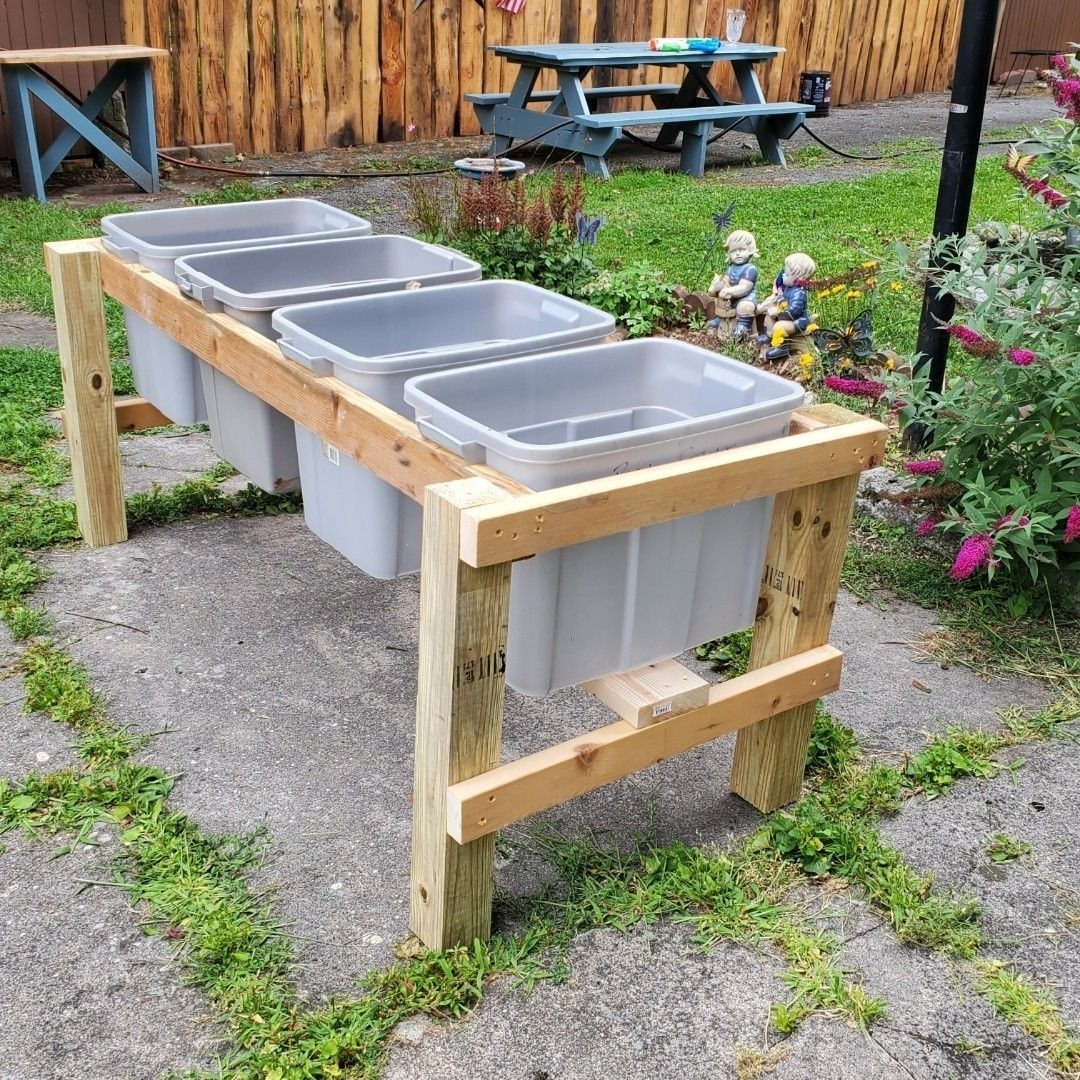
Four grey storage bins dropped into a wooden frame on a patio solve the problem of concrete where nothing grows.
Drill drainage holes through the bin bottoms or water pools and roots rot; a half-inch bit, several holes each, takes no time at all.
A frame that lifts bins to waist height saves your back during daily tending.
Move the whole unit to chase sun, or inside if frost threatens early tomatoes. When one crop finishes, lift the bin out, dump the spent soil into a compost heap, and the frame waits for the next planting.
This is apartment gardening with a backyard attitude.
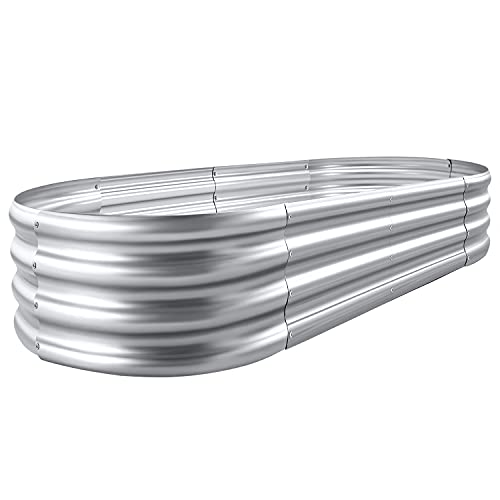
Each raised metal garden bed size: 4×2×1ft ,7.14Cu

Size: 60×29×11 in, 68 gallons of soil required.

Raised Garden Bed - Add a new level of convenience to your gardening experience with the Galvanized Raised Garden Bed. Enjoy expanded yield and a more assembled garden layout with this garden accessory, each sized at 120 cm X 60 cm x 30 cm.
7. Stacked Stones
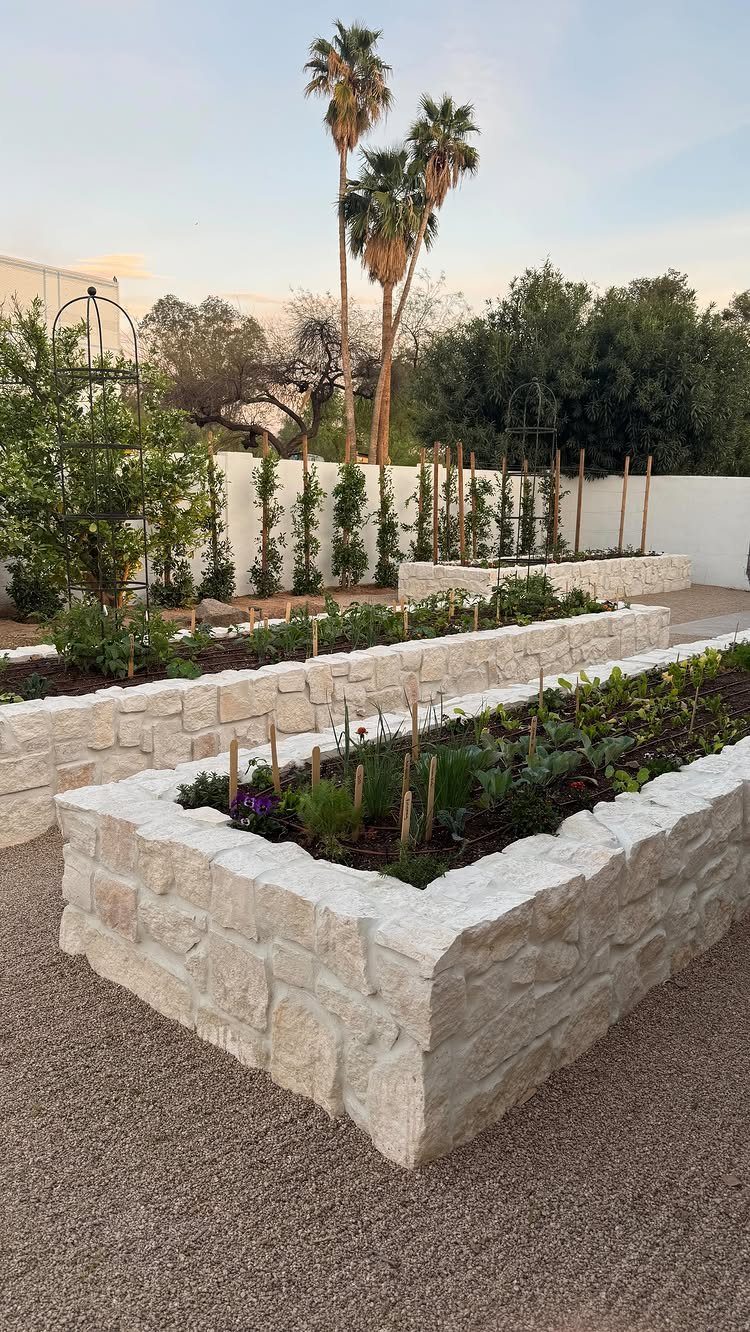
A dry stone wall built without mortar settles and shifts with frost, which outlasts anything glued or screwed together. Each stone locks against its neighbors by weight and angle; the gaps drain water instead of trapping it.
Flat stones stack higher and steadier than round ones. Burying the base course below grade keeps the wall from walking in freeze-thaw cycles.
Fieldstone works well, but quarried limestone or recycled concrete chunks do the same job. A knee-height bed takes a full day of stacking if you are working alone.
The look is ancient and permanent. It suits yards where you want the garden to look like it was always there.
8. Wooden Frames
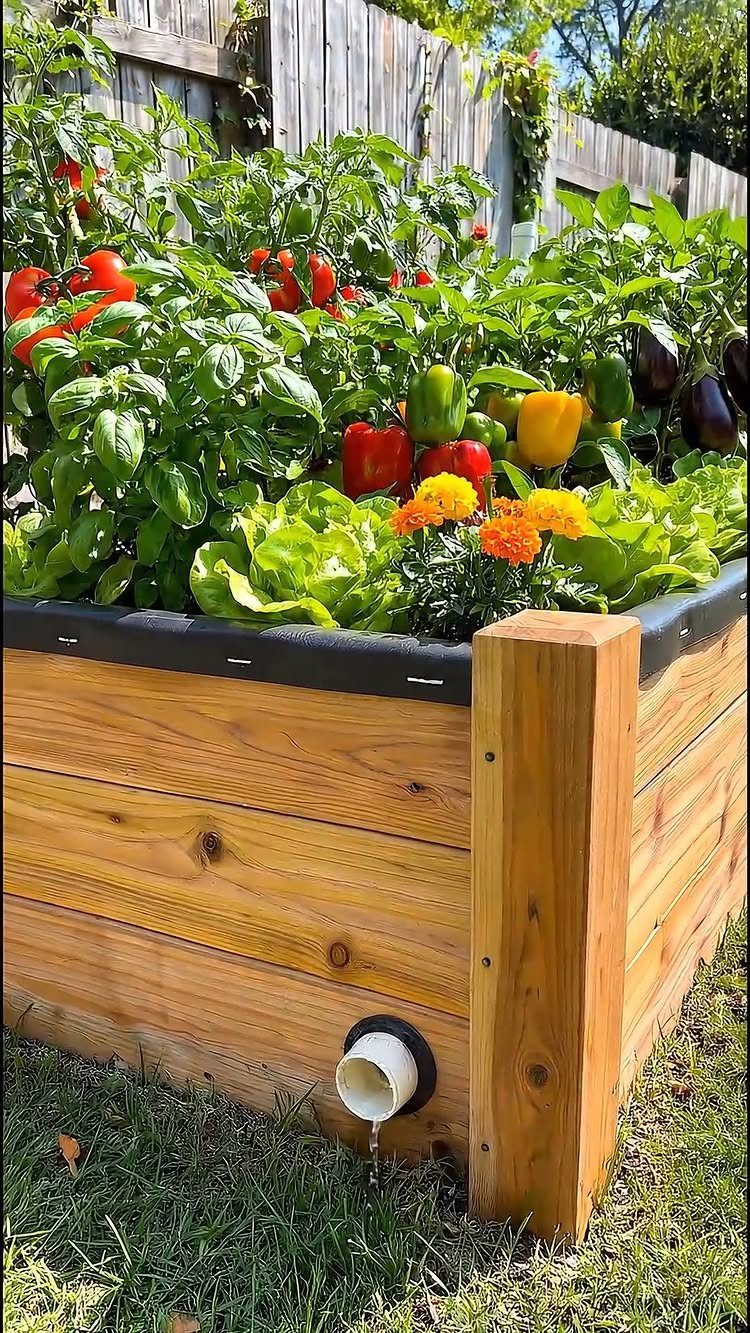
Cedar or redwood planks bolted into a simple box rot slower than pine, though any lumberyard framing lumber lasts several seasons with ground contact.
I line mine with hardware cloth stapled to the bottom to stop burrowing rodents; landscape fabric rots too fast to bother.
A narrow bed at moderate depth handles most vegetables.
Deeper boxes for carrots or parsnips need generous soil depth. Corner brackets from any hardware store hold the frame square; pre-drill holes or the boards split.
This is the starting point most people picture when they hear "raised bed." It is also the easiest to expand: bolt another box alongside the first and the garden grows without replanning.
【Spacious and Versatile Design】: The CATMANOR raised garden beds outdoor provide ample growing space for a variety of vegetables, herbs, and flowers. The raised bed design maximizes planting capacity, making it an ideal solution for gardening enthusiasts who want to grow medium to deep-rooted plants such as broccoli, beans, and more.

【Spacious and Versatile Growing Space】The CATMANOR raised garden beds outdoor offer plenty of room for growing vegetables, herbs, and flowers. The raised bed design helps make better use of planting space and works well for medium to deep-rooted plants like broccoli, beans, and similar crops.
【Spacious and Versatile Growing Space】The CATMANOR raised garden beds outdoor offer plenty of room for growing vegetables, herbs, and flowers. The raised bed design helps make better use of planting space and works well for medium to deep-rooted plants like broccoli, beans, and similar crops.
9. Wall-Mounted Planters
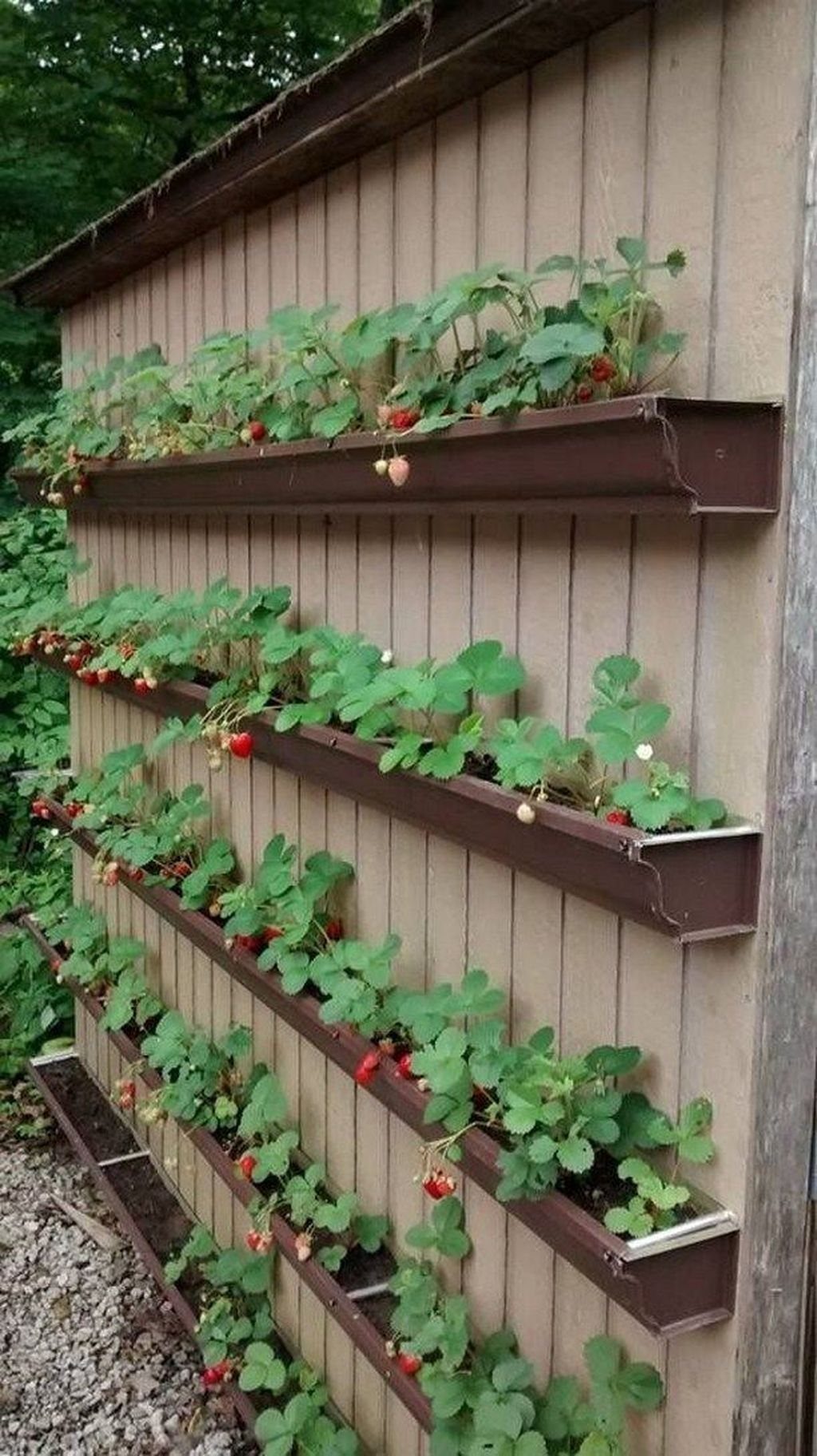
Gutters screwed to a fence or the sunny side of a shed turn vertical blank space into strawberry rows or salad greens at shoulder height.
Standard vinyl gutters cut to length with a hacksaw; end caps seal the uphill side and small drilled holes let water out slow enough to feed roots without drowning them.
Slope the gutter slightly toward the drain end so water moves without rushing.
Fill with lightweight potting mix, not garden soil, or the weight pulls screws from siding. Mounting these on pallets first, then leaning the whole unit against walls, makes it portable when the lease ends or the sun shifts.
Best for renters or anyone whose square footage is a balcony rail and a wall.

Natural Wheat Straw Mulch for Healthy Gardens: Made from clean, dried wheat straw, this natural mulch helps create a protective layer for vegetable gardens, flower beds, raised beds, and landscaping areas. A practical choice for maintaining healthy outdoor spaces throughout the growing season


You will receive 4 bags per order. All-Natural & Clean Mulch —Sustainably sourced 100% non-GMO wheat straw is naturally filtered to remove dust, dirt, and as many seeds as possible for a clean, pure mulch.
Budget-friendly Materials
The cheapest beds in the list cost nothing if you time it right.
Leftover concrete blocks from a neighbor’s patio, a dresser bound for the curb, tires already paid for and discarded: these are materials that find you if you ask around.
New concrete blocks run cheap at any hardware store, and corrugated metal sheets come in standard lengths at farm supply stores. Storage bins are a few dollars at big-box retailers.
Grow bags and fabric liners cost extra but are not required. Landscape fabric helps drawers last longer, yet the wood will grey and soften regardless.

CUSTOMIZE EACH TIER: This 4x4ft garden bed has 3 tiers to keep sections divided and organized; separate vegetables, herbs, flowers, and other plants

{Raised Garden Bed} Our raised garden bed deep enough to provide your plants and vegetables with ample room to breathe and grow healthy. This planter bed is suitable for seniors to do things they enjoy.

ORGANIZED 10 GRID PLANTING: Modular raised garden bed planter with 10 individual growing compartments keeps herbs vegetables flowers separated for easier crop rotation gardening includes plant markers liners ideal for patio balcony backyard herb garden
Space Efficiency
Vertical options matter most where square footage is scarce. Stacked tires build upward instead of outward.
Portable choices let you chase sun or dodge frost.
Plastic bins in a wooden frame move as a unit; pallet-mounted gutter systems lean against walls and relocate when the lease ends. Straw bales leave no permanent footprint at all.
For renters, this is the difference between a garden and none.
Rail planters and wall pockets turn vertical surfaces into growing area you did not know you had. Concrete patios that grow nothing on their own host vegetables in lifted bins.
Sustainability
Every option in the list that uses repurposed material keeps something from landfill.
Tires, drawers, plastic bins, metal sheets: these are items with manufacturing already spent. Reusing them extends that cost across more years.
Natural materials decompose on their own timeline. Stone outlasts the builder.
The choice between them is partly how permanent you want to be. A renter’s straw bale bed disappears seasonally.
A stone wall stays for decades. Both avoid the extraction and shipping of new goods.
Ease of Construction
No mortar, no screws, no tools at all: that describes the straw bale method.
Soak, plant, done. Concrete blocks stack dry.
Corrugated metal needs gloves for the cut edges and bolts for the corner posts. Stone walls take a full day of stacking alone for knee height, with attention to burying the base course below grade for stability.
The simplest builds are also the easiest to expand. Add another block rectangle.
Bolt another wooden box alongside the first. The skill you learned Saturday morning applies directly to the next bed.
Frequently Asked Questions
What is the cheapest way to make a raised garden?
Ask around for leftover materials already paid for and discarded. My first bed cost nothing: concrete blocks left over from a neighbor’s patio project, stacked dry with cardboard underneath to kill the grass.
Concrete blocks cost less than lumber at most hardware stores, and tires, old drawers, or plastic bins headed for trash pickup work as planters for no money at all.
What vegetables should not be grown in a raised bed?
Root crops like carrots and parsnips need deeper soil than shallow boxes provide, so plan box height around what you actually want to grow.
Shallow drawers and standard bins suit lettuces, herbs, and strawberries better than potatoes or long carrots. Match the plant to the depth you have built.
What should you put on the bottom of a raised garden bed?
A layer of flattened cardboard kills grass without digging, a method that works well under concrete block beds where soil contact is uneven.
What are some common mistakes people make when using raised garden beds?
Forgetting drainage holes is a fast way to kill roots; water pools in plastic bin bottoms and in tire sidewalls unless you drill half-inch holes or cut openings.
Another is skipping the slope on gutter planters, which lets water pool instead of drain.
Mounting gutters on pallets first keeps the whole unit portable, and lightweight potting mix instead of heavy garden soil prevents screws from pulling out of siding.