These outdoor entertaining ideas run from a weekend beverage station to structures like decks and covered pavilions that need permits, concrete, and an electrician.
The one that fits depends on whether you own the dirt or rent it, and how many years you plan to stay.
[link-whisper-related-posts]1. Outdoor Living Spaces
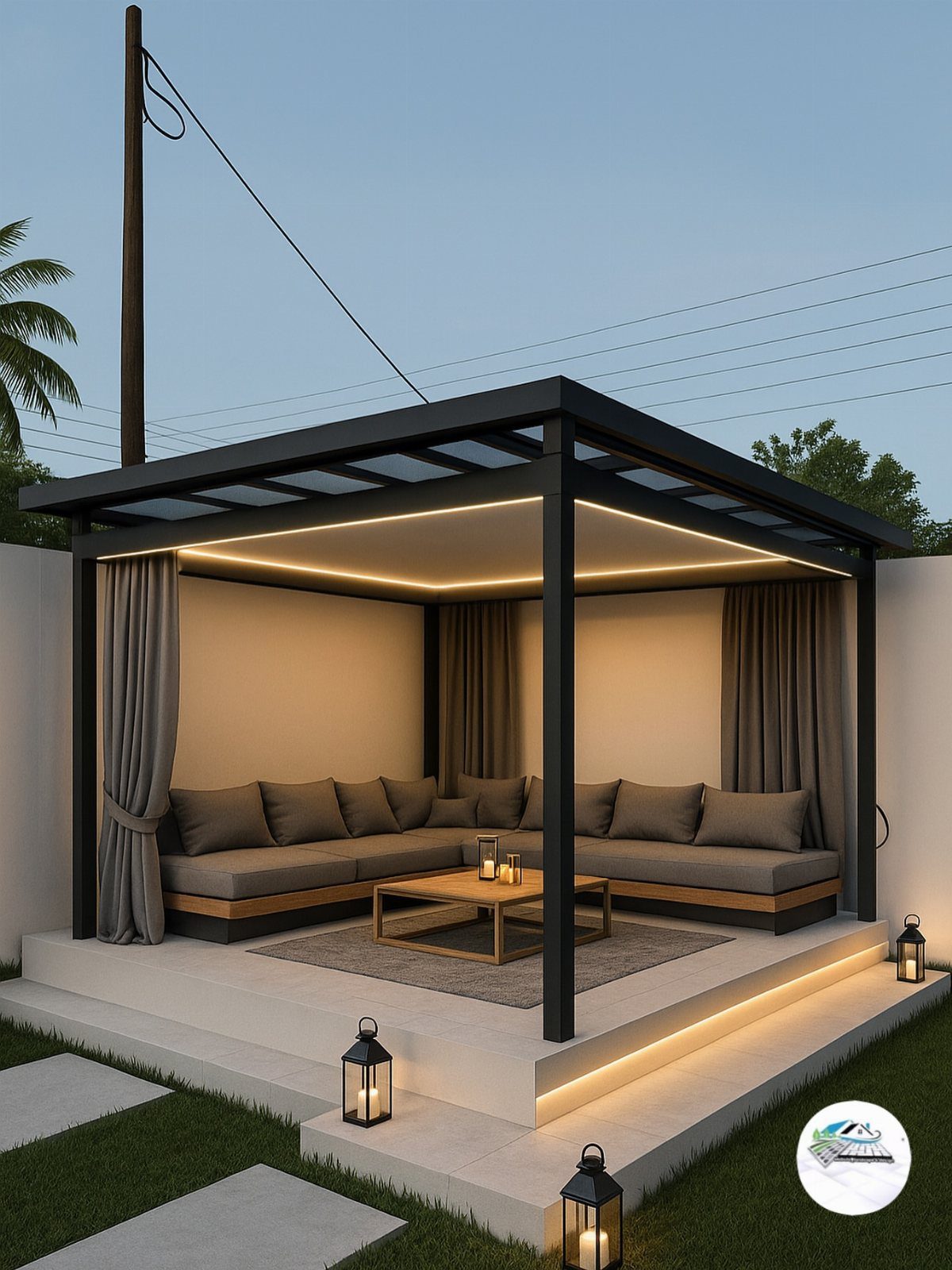
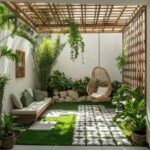
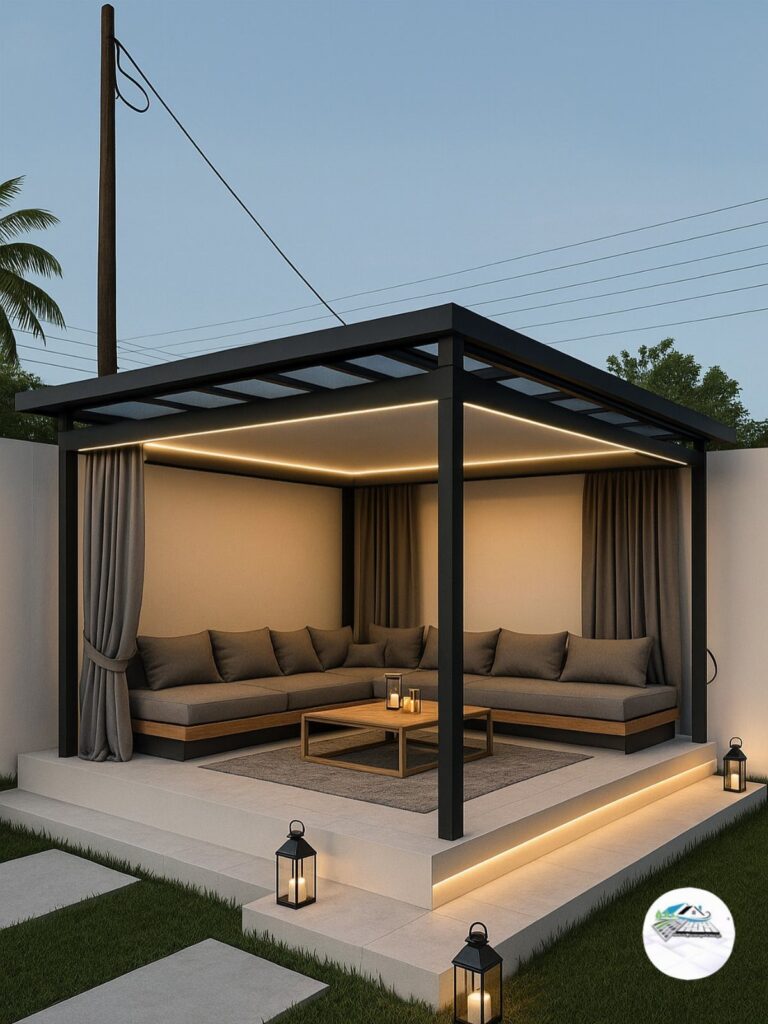
A gazebo with curtains and built-in LEDs turns a corner of yard into a room that happens to be outside. For someone adding one piece a year, this is the piece that makes the rest feel finished.
Start with seating you actually want to sit in: a sectional deep enough for knees, cushions that shed water. Light layers matter more than one bright source.
String lights overhead, lanterns at ankle height, a few candles where wind won’t reach them. Outdoor curtains do real work; they cut glare at sunset and make the space feel held.
I would add the lights first and live with them a week before deciding on furniture placement. What reads cozy after dark can read cramped in full sun.

Auto On/Off & Solar Powered Rope Lights: This solar Christmas string lights is powered by solar energy, energy saving, no extra utility electric cost, and no need to replace the battery. Just turn on the switch and put the solar string lights under the sunlight, built-in solar panel absorbs sunlight to recharge during the day, and the patio lights will turn on auto at night. It takes 6-8 hours to fully charge and work up to 12-15 hours. Note: Do not place the panel where there is a light source at night.

Energy-Saving: TBOSW Outdoor lights Comes shatterproof Edison bulbs, 2700K delivering high brightness while boasting energy-saving features. Compared to traditional bulbs, it effectively reduces electricity costs, providing sufficient illumination for daily use or party scenarios, combining practicality and economy.
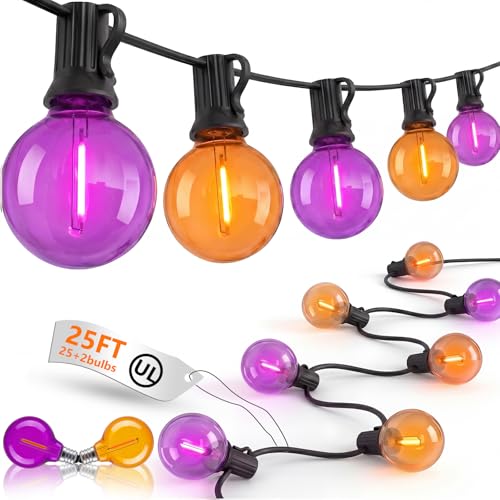
Energy-Efficient LEDs Outdoor Globe Lights: 25Ft G40 led outdoor halloween decorations lights comes with 25 orange purple LED shatterproof bulbs and 2 spare bulbs, C7 or E12 Candelabra base led bulbs, 0.6W/120V, halloween outdoor patio lights providing bright illumination while saving on electricity costs, creating a vibrant glow for your porch, yard, or haunted house party
2. DIY Beverage Station
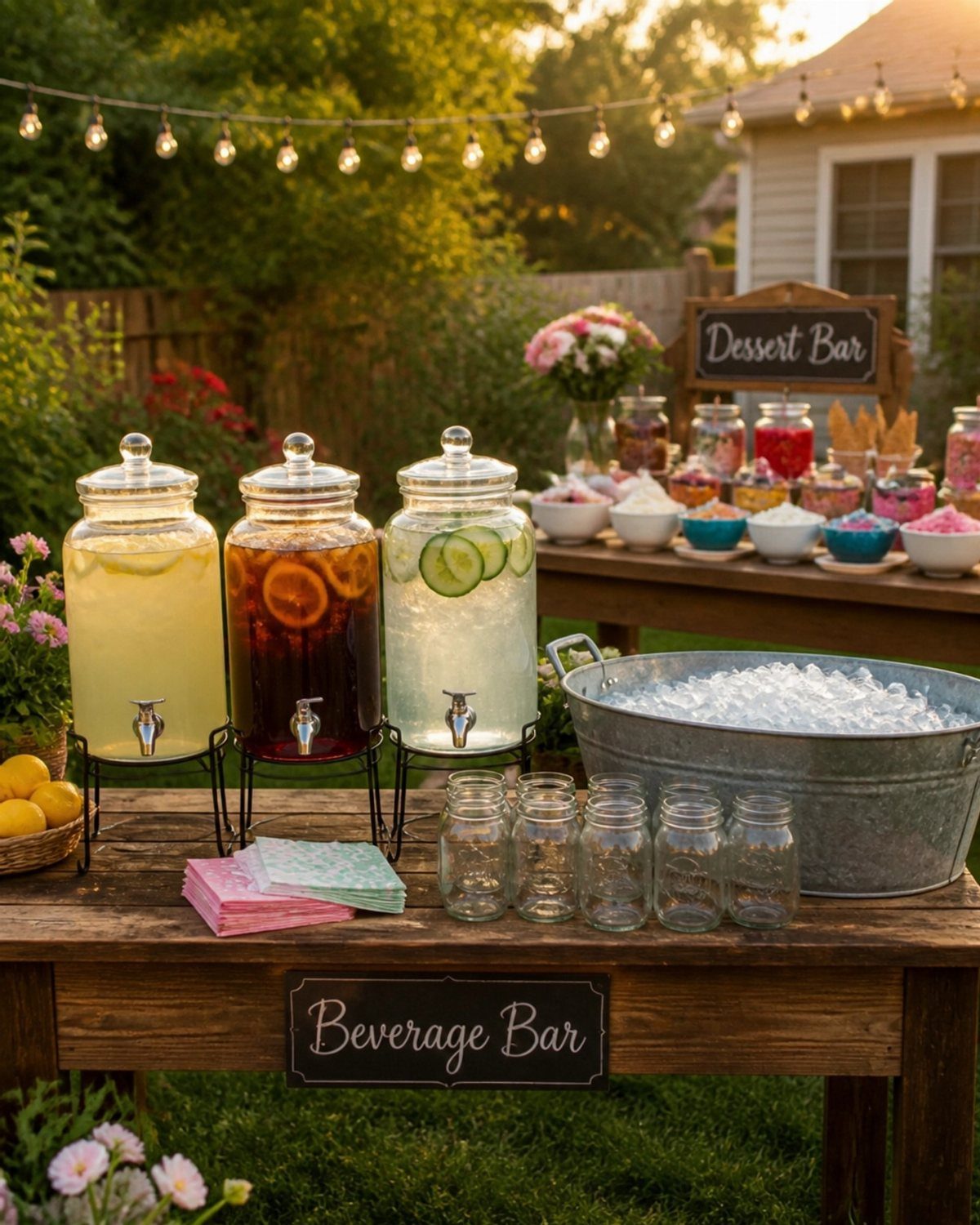
A beverage station saves the host from playing bartender all night and gives guests something to do with their hands besides check their phones.
Pick a table you already own, or a folding one that stores flat.
Cover it if the surface is beaten up; a runner buys you a lot. Stock 3 categories: something with alcohol, something without, and water that looks like you tried.
Glass dispensers do the work of dressing up plain drinks. Ice in a bucket, not the cooler you dragged out; garnishes in small bowls; mason jars or stemless glasses that won’t tip on grass.
I like putting the station just inside from the main gathering spot, so people refill without leaving the conversation entirely.

HIGH-QUALITY GLASS DISPENSER: Elevate your beverage presentation with our stylish drink dispenser with spigot, featuring an authentic mason jar design that adds a touch of charm and sophistication to any occasion

New upgraded faucet latex gasket, better sealing.Wide-mouth design:mason jar beverage dispenser has a wide-mouth design with Bail & Trigger Clamp Locking Lid that makes it easy to clean, use and fill with your favorite beverage

Package Include:2 Glass Drink Dispenser ,2 Stainless Steel Spigots and Metal Bracket,1 Orange Ring Used As A Wrench.
3. Fruity Punches
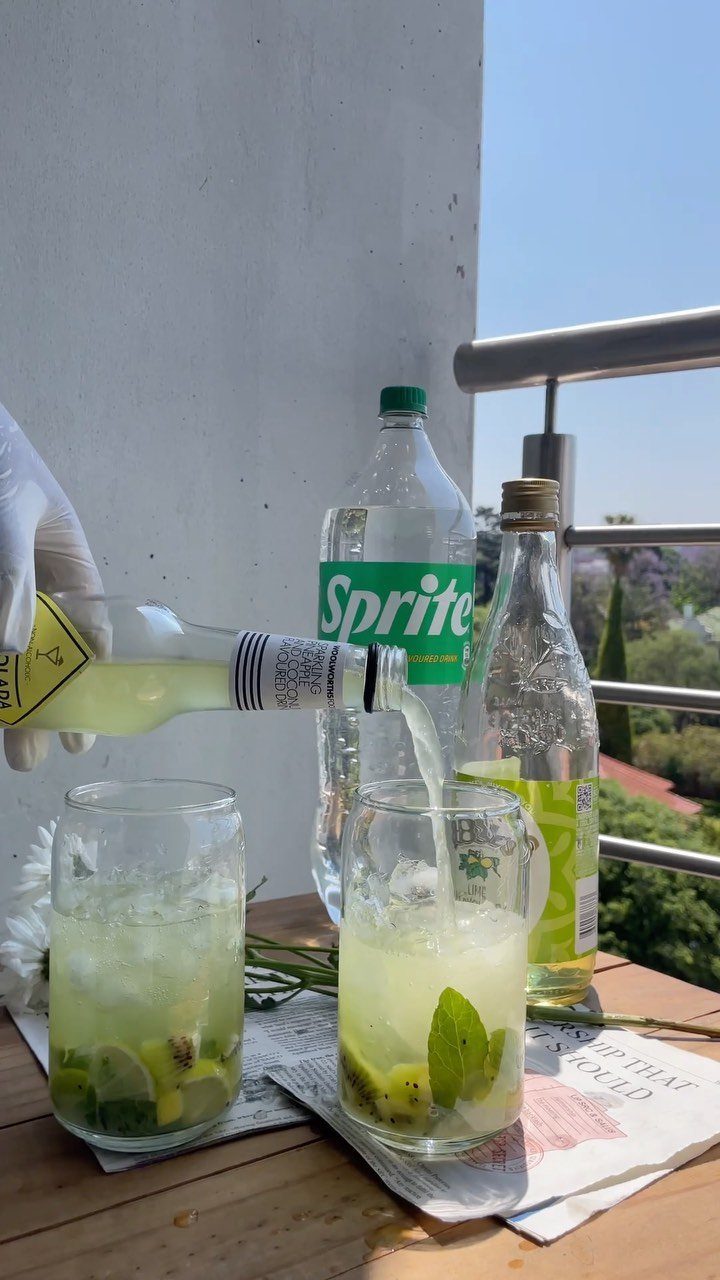
A strawberry basil mocktail sounds like magazine talk until you taste one on a humid afternoon and realize it is doing what a beer cannot.
Muddle fresh strawberries with torn basil, add lemon juice and simple syrup, shake hard over ice, then top with sparkling water.
The herb keeps it from reading as children’s punch. Serve punch tall, with lime and mint visible, so guests know what they’re getting before they sip.
I make the base ahead and keep it cold; adding the sparkling water at the last second keeps the bite. For a batch, scale the muddle and stir, but still top each glass individually.

【 55ft LED Connectable String Lights 】- This outdoor light comes with 25+2 G40 LED bulbs. Each bulb is 2 feet apart for a total length of 55 feet. It supports an end-to-end connection of up to 14 strings, allowing you to customize the length you need. These lightweight and convenient patio lights are easy to carry and store

【Dimmable & Energy Saving】Plug-in Powered: These G40 LED outdoor string lights include 12 shatterproof plastic bulbs plus 1 spare. Each 1.5-inch E12 base bulb adopts low heat 1W LED with soft balanced brightness and 2200K warm white glow and 20000+ hours lifespan. Fully dimmable for mood adjustment and high energy efficiency, plug-in design provides steady illumination without solar charging delays

【Durable Quality, Energy Efficient】 Brightown led outdoor lights for patio, with commercial-grade wire and 32 shatterproof weatherproof LED bulbs (3 ft space)(2 spares), reduce electricity consumption by over 90% compared to incandescent bulbs. These outdoor patio lights can be linked up to 24 strings to brightly illuminate large areas year-round, and the long-lasting bulbs ensure extended use.(Not rechargeable, no remote control included)
4. Outdoor Games

Games give guests permission to move around and something to talk about besides work.
Horseshoes and bocce need level ground and some distance; giant Jenga needs only a flat surface and players who won’t mind the crash.
A dartboard is a rarer choice, and I like it for that: it suits a paved side yard or courtyard where lawn games won’t fit, and it draws a crowd without requiring one.
Set up one active game and one seated option.
Too many competing activities split the party into cells that don’t meet. I stop at two even when space allows three.

Quality and Durable: delicate composite weaving with 3-stand all-weather HDPE wicker material handwoven over fully-welded powder-coated steel framing makes patio furniture with fire pit 7 PCS very durable and sturdy; breathable 250G polyester Anti-UV and water-repellent fabric are the complete performance standard, with long-lasting comfort, color retention, cleanability, and strength

【All-Weather Durability & Low Maintenance】Our patio furniture sets built with UV-resistant fade & crack-proof wicker and rust-proof steel frame, this patio furniture set withstands sun, rain, snow and coastal humidity. Premium weather-resistant structure requires minimal upkeep, keeping a fresh look all year round for long-lasting outdoor use.

5-Pieces Outdoor Furniture Set: 60" gas fire pit table allows seating up to 4-6 person, suitable for parties and family gatherings. With lid covered on, the firepit table converted into a standard dining table while 4 textilene patio chairs providing a comfortable seating experience, bringing endless cosy atmosphere
5. Build a Deck
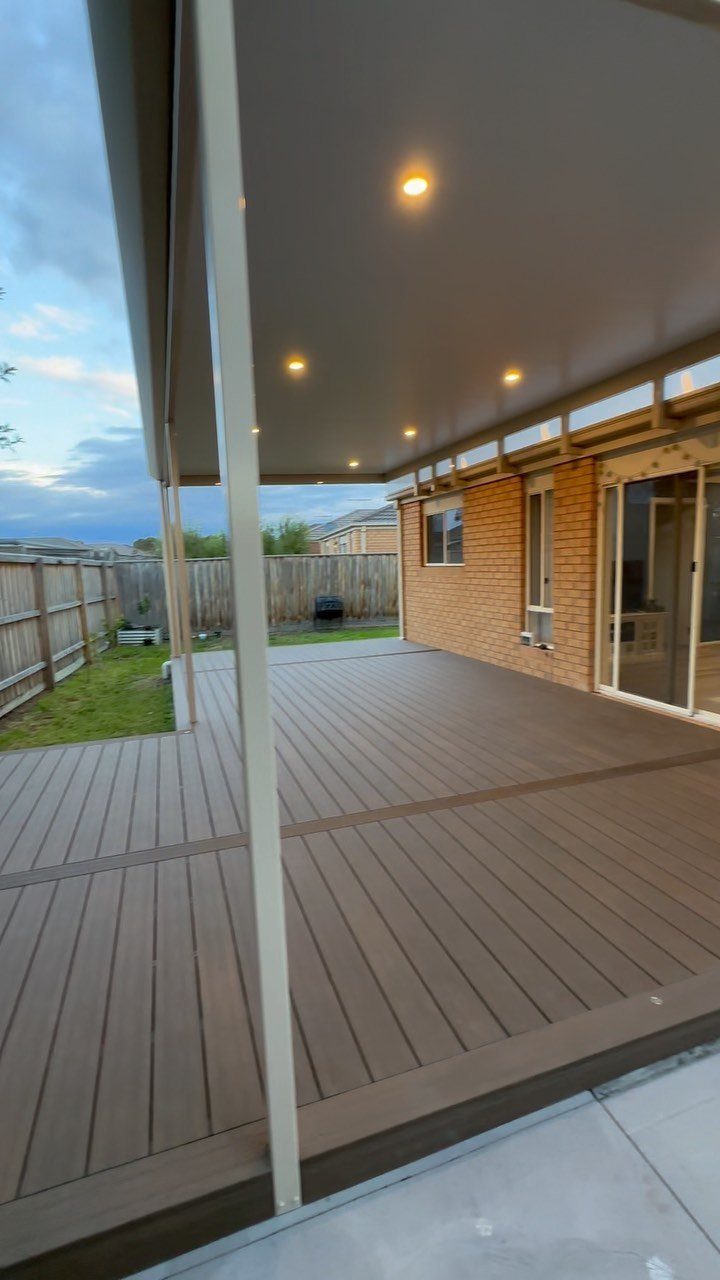
A deck is the platform that makes everything else possible: furniture that stays level, feet that stay out of mud, a boundary between the house and the yard that still belongs to both.
Wood costs less upfront and weathers to gray if you let it.
Composite costs more and stays the color you bought. Either way, build for the load you will actually put on it: a grill, a table for 6, maybe a hot tub later.
A covered deck with recessed lighting built into the roof means thinking about electrical before the first board goes down.
I would not cover the whole thing. Some open sky is worth the rain risk, and it keeps the structure from feeling like a tunnel.

Wide Compatibility - The portable dartboard bracket, which darts and board are excluded, is compatible with all darts board

Universal Compatibility:Designed to securely mount all bristle dartboards, making it ideal for home game rooms, bars, or other environments.

🎯【Package Contents】The set includes 2 brackets, 2 long screws, 4 short screws, 6 black pads, 6 small nails. Sufficient number of accessories for your use and replacement.
6. Outdoor Kitchens
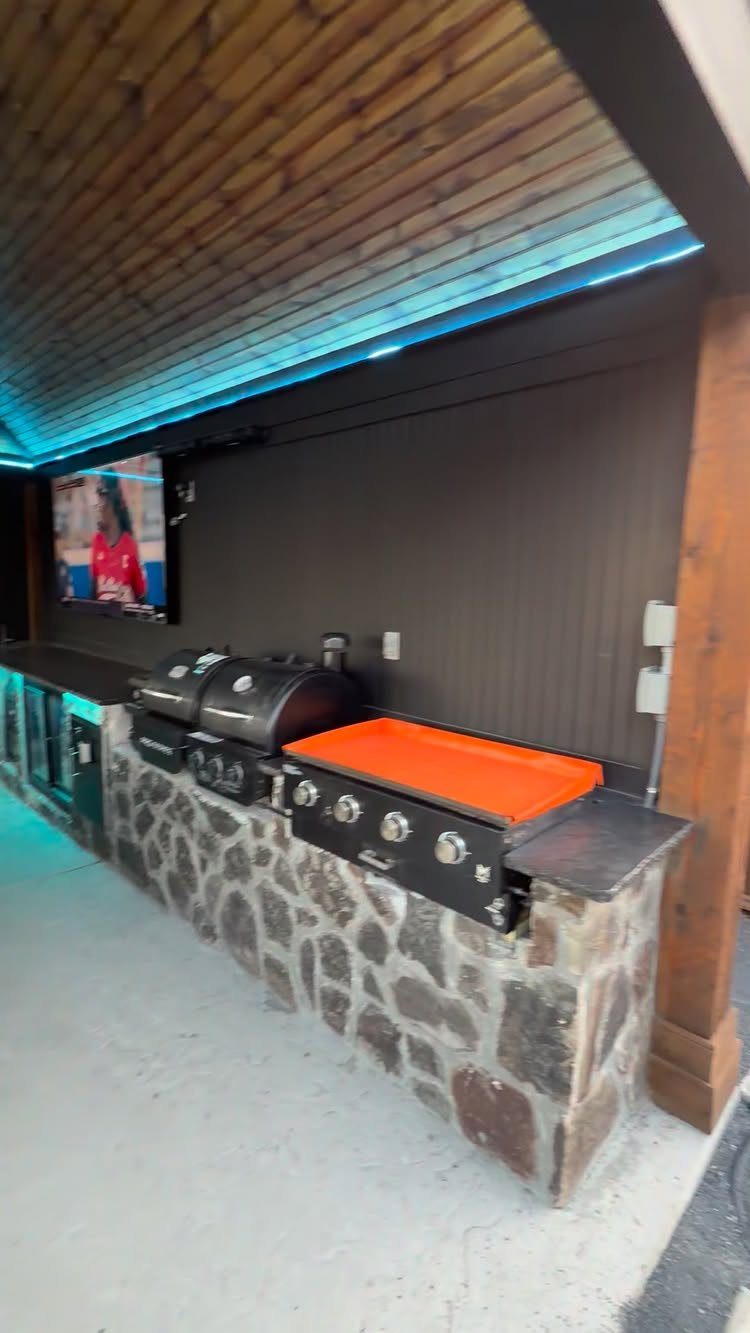
An outdoor kitchen keeps the cook in the party instead of running back and forth to the indoor stove while everyone else lingers at the table.
Stone bases and dark countertops do practical work: stone handles weather, dark counters hide grease and ash. A built-in grill is the center; the griddle beside it is the versatile piece I would add first if budget forced a choice.
Prep space matters as much as cooking surface. You need somewhere to set a platter, a drink, a pair of tongs.
A mounted TV reads as luxury but functions as crowd management.
Guests gather to it; the cook stays central. I would skip it in a small yard where the screen competes with actual conversation.
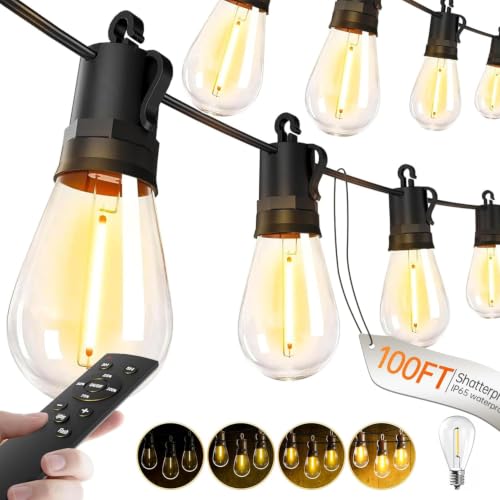
Energy-Saving: TBOSW Outdoor lights Comes shatterproof Edison bulbs, 2700K delivering high brightness while boasting energy-saving features. Compared to traditional bulbs, it effectively reduces electricity costs, providing sufficient illumination for daily use or party scenarios, combining practicality and economy.
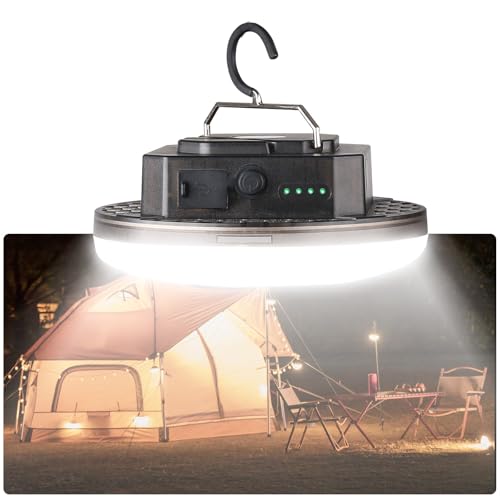

Solar Powered & Auto On/Off - Solar energy supply, no extra utility electric cost, and no need to replace the battery. Light sensor controls the solar lights outdoor auto on at dark and auto off at daytime.
7. Fire Pit Entertaining
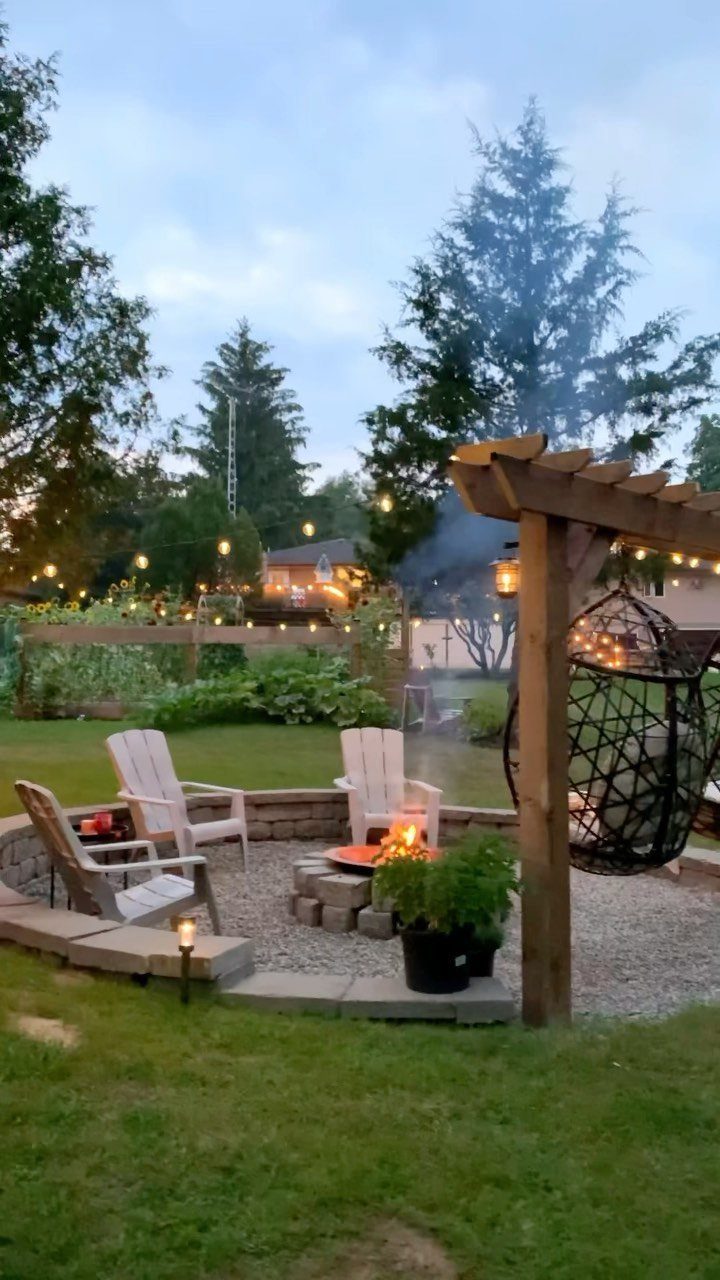
A fire pit pulls people in after the meal is done and keeps the night going past the point where other hosts start hunting for coasters.
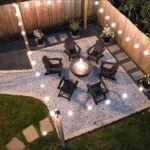
Gravel underfoot drains well and stays level; stone walls around the edge keep chairs from sliding and define the space without fencing it in.
An Adirondack chair sits low, which matters because heat rises. A hanging chair under a pergola gives one person a perch apart from the circle without leaving it.
String lights overhead mean you are not relying on the fire alone, and that matters when the wind shifts or someone needs to find the cooler.
I would build for the s’mores station from the start: a flat stone ledge wide enough for a cutting board, skewers, and a sleeve of graham crackers.
Themed dinners sound forced until you try a low table with chili in mugs and cornbread in a cast iron pan, everyone passing hot sauce and reaching into the same bowl of shredded cheese.
The fire does the work of making that feel special instead of underfed.
Check your local burn code before you dig. Some counties require a screen, others a certain distance from structures, and the rules change county by county.

Crafted from high-quality food-grade glass, our 2-gallon drink dispenser is a sturdy and durable alternative to acrylic and plastic dispensers. The thick glass is less prone to cracking and deformation compared to plastic, making it perfect for serving iced drinks without the risk of freezing and bursting the bottle. The crystal clear glass give the dispenser a beautiful and attractive appearance, making it an ideal centerpiece for any party.


【Why a Stainless Steel Lid Instead of a Sealed One? 】Our drink dispenser is equipped with a stainless steel lid, specifically designed for a perfectly smooth pouring experience. Unlike airtight seals that can cause liquid blockage, our lid maintains an ideal air pressure balance—ensuring every pour is effortless, consistent, and drip-free. It's the smart detail that makes enjoying your drinks easier and more enjoyable.
8. Garden Studio Lounge
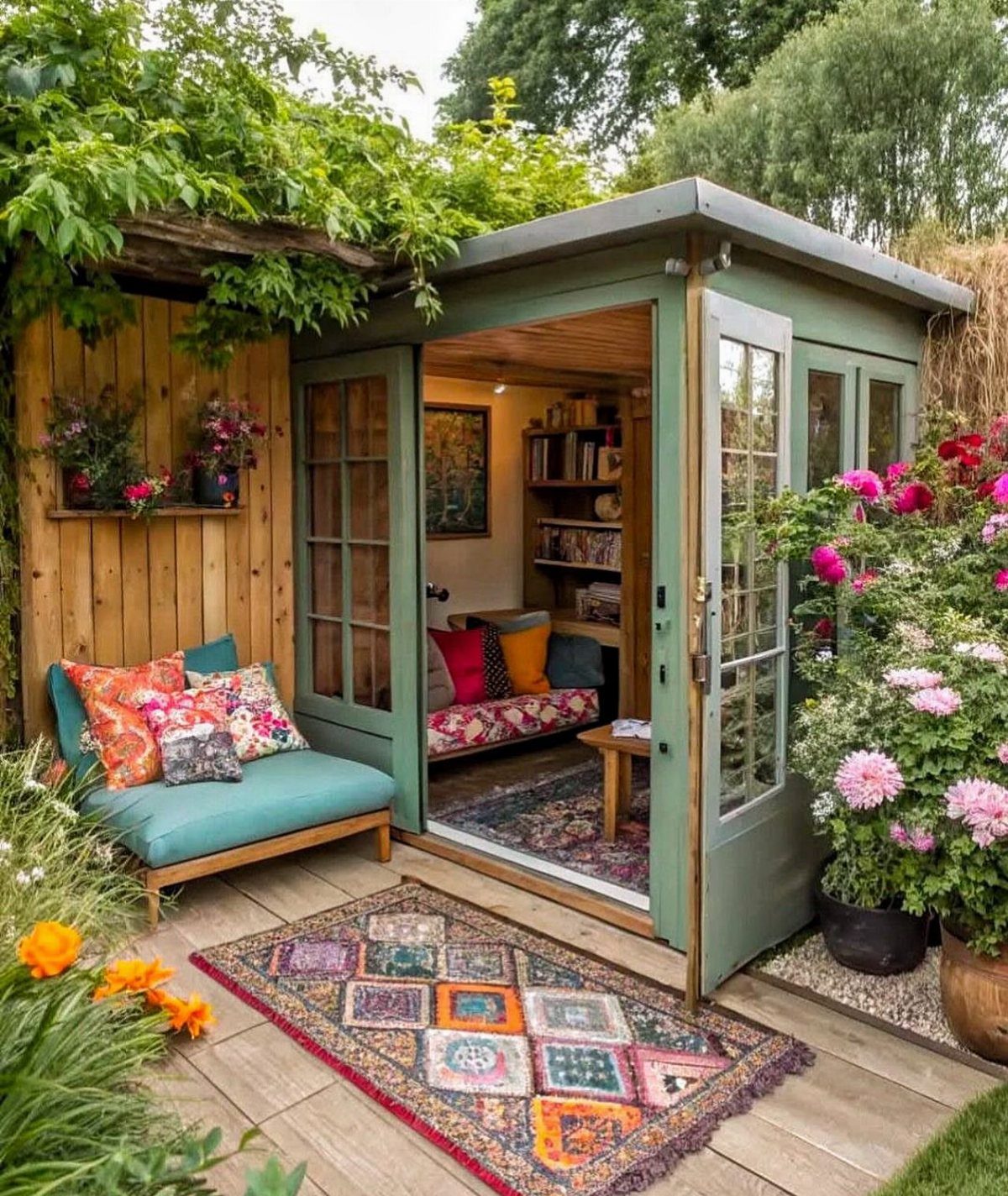
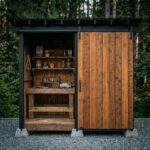
A garden shed with French doors opens the question of whether the structure is a room that happens to be outside, or a shed that happens to have a sofa.
The green paint on the exterior is doing deliberate work; it lets the building settle into planting instead of shouting for attention.
Inside, a bookshelf and seating mean this is storage abandoned in favor of function. The patio outside extends the floor line; the rug and cushions make that transition feel intentional rather than apologetic.
Before you commit, check your setback rules and whether the foundation needs a permit. A structure on a concrete slab reads as permanent in a way skids do not, and that distinction shows up in zoning.

Commercial Grade and Energy Saving: 105 FT S14 Patio string lights with 33+2 pcs shatterproof 1 W E26 base bulbs. 80LM Brightness equivalent to 11 watt traditional bulbs, brighter and slash electric bills by 90% with our outdoor string lights
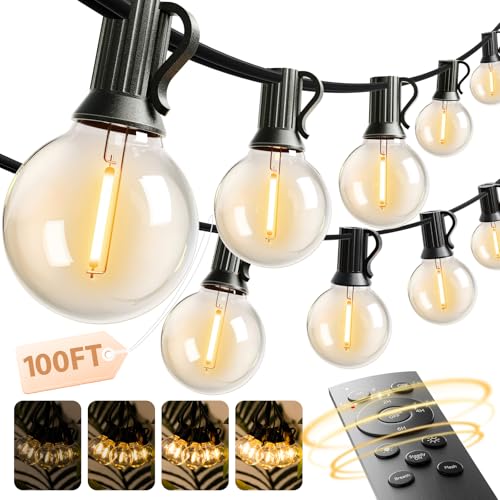
【One Remote, Four Brightness Levels】Sit back and relax while you control your outdoor lights with a simple remote. Tap to switch the brightness between 25%, 50%, 75% and 100%, making it easy to go from a soft, cozy glow to bright lighting for grilling, games or family gatherings.

Breathtaking Italian Bistro Style Lighting : Each strand features 15 vintage-inspired hanging sockets with shatterproof E17 LED edison bulbs, spaced 3.11 feet apart for a captivating, even glow. Enjoy brighter, energy-efficient outdoor lights that enhances every outdoor moment with timeless charm and lower electricity costs.
9. Covered Dining Pavilion
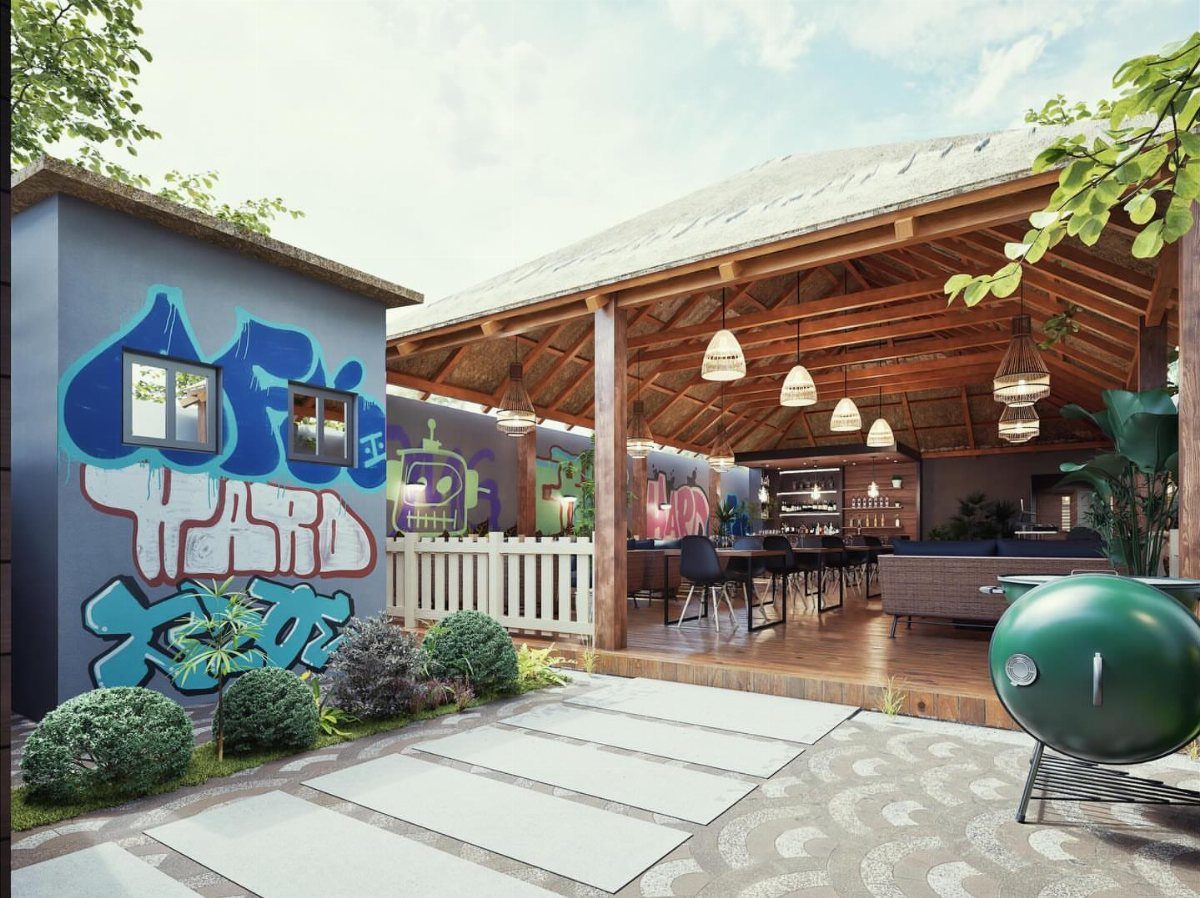
A roof over the table changes what you cook and when you cancel.
The open sides keep summer heat from trapping underneath; the pendant lights mean dinner does not end at sunset. A bar counter at the edge, separate from the dining surface, lets one person stage drinks without crowding the platters.
The green grill on the adjacent patio keeps smoke out from under the roof, which matters more than most hosts plan for.
Wood construction needs a ceiling treatment that handles moisture; bare rafters look right for a season and then show mold. Check the span on those pendant mounts before you order fixtures; a heavy light on a long chain sways.
I would pour the patio first and build the pavilion to its edge, not the reverse. A structure that floats above the paving looks like an afterthought, and water finds the gap.

Quality and Durable: delicate composite weaving with 3-stand all-weather HDPE wicker material handwoven over fully-welded powder-coated steel framing makes outdoor patio furniture fire table 6 PCS very durable and sturdy; breathable 250G polyester Anti-UV and water-repellent fabric are the complete performance standard, with long-lasting comfort, color retention, cleanability, strength
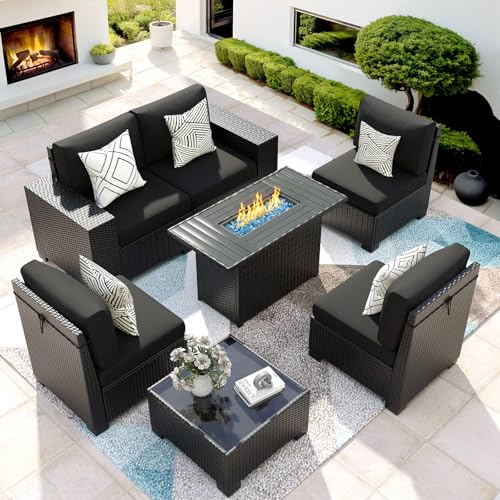
【Built for the Outdoors】Crafted from powder-coated galvanized steel, this outdoor furniture set offers exceptional durability and excellent corrosion resistance, making it ideal for outdoor use. Its sturdy structure ensures stability and safety. Additionally, the PVC rattan used boasts high resilience, rain or shine - so you can enjoy the ultimate in outdoor relaxation with minimal upkeep

44” Fire Pit Table: Out Patio furniture with a 44” propane fire pit table, which certified by CSA, guarantees dependable and safe everyday use. With a heat output of up to 48,000 BTU, it provides plenty of heat for your yard.
Health Benefits of Outdoor Spaces
Time outside lowers cortisol in a way indoor light does not.
Natural light through the eyes resets the clock that governs sleep, and sleep governs everything else. I open the curtains on my covered pavilion in the morning even when rain is forecast; the gray light still registers.
Moving around outside happens without planning.
You walk to check the grill, carry a plate to the fire pit, stand to throw horseshoes. The steps add up without feeling like exercise.
Trees and grass do actual air work. Grass traps particulates that would otherwise reach lungs; tree exposure correlates with lower asthma rates in children.
These are not fringe findings. They are why hospital gardens exist and why recovery rooms with windows discharge patients faster.

Sturdy Construction: Crafted with heavy-duty steel for exceptional durability and long-lasting performance.Dartboard Holder Wall Mounting Bracket hooks for hanging Screw Hook Set Accessories Kits

COMPLETE SET: Includes 18-inch regulation size dartboard, 6 steel tip darts, 2 pieces of chalk, and 1 eraser with built-in dart holders and chalk scoreboard

SHOT KING SISAL DARTBOARD: regulation 17.75 inch Shot King bristle dartboard made from compressed sisal fibers that close up after darts are removed, with a rotating number ring to spread wear
Social Benefits of Outdoor Entertaining
Outdoor gatherings let guests control their own distance.
Someone can lean into the fire pit circle or drift to the beverage station without announcing a need for space. That freedom makes conversations last longer.
I have watched parties pivot on this: the host who disappears indoors returns to find subgroups that never re-merge.
Photo moments happen without staging. Arbors with seasonal growth, string lights at dusk, the fire pit as backdrop: guests take these themselves, and the images outlast the evening in a way indoor snapshots rarely do.
Economic Benefits of Outdoor Spaces
Your own deck or pavilion costs the food alone, and the furniture stays for the next gathering.
Outdoor structures return value at sale, though the percentage varies by region and by how integrated the space feels.
A deck that extends the kitchen sightline performs better than one tacked to the far corner. A pavilion poured flush to its patio reads as architecture; one hovering above it reads as an afterthought, and appraisers notice.
The fire pit is the versatile piece.
It hosts seated conversation, marshmallow evenings, and mornings with coffee. One structure serving three seasons earns its footprint differently than a single-purpose room.
Importance of Planning
Count guests before you count chairs.
A standing guest needs 6 square feet; a seated one needs 10–12. Measure twice before you drag anything outside, or you will find the gap when coats are already on the bed.
Checklist order matters.
Seating and shelter first; lighting second; the decorative layer last. I have seen hosts spend an afternoon on table settings while the forecast shifted and no plan B existed.
Burn codes, setback rules, and permit thresholds are real constraints, not suggestions. Call your county office early; they answer slowly in spring, and a flagged project mid-build costs more than the permit would have.
Frequently Asked Questions
What are some ideas for an entertainment area in my backyard?
A gazebo with curtains and built-in LEDs turns a corner of yard into a room that happens to be outside, and a DIY beverage station saves you from playing bartender all night.
Add games like horseshoes, bocce, or giant Jenga to give guests something to do besides check their phones.
Start with chairs you would actually choose for a long conversation, then add light from a few directions instead of one blinding overhead.
What are some must-haves for outdoor entertaining?
Chairs deep enough that your knees do not hang, cushions that do not turn into sponges after rain, and light from a few directions instead of one blinding overhead.
Lighting goes in first, so I can live with it a week before deciding where the seating actually belongs; shelter and the decorative layer come after that.