
Sherwin-Williams Emerald is my best overall pick because the finish stays flexible through freeze-thaw cycles and holds color across 100 options, but the per-gallon cost only makes sense if you are staying in the house long enough to see the savings.
On a tight turnaround or a rental refresh, Valspar Pro-Hide Gold Ultra covers 400 ft² and dries in 1.5 hours for less outlay, with the tradeoff showing up five years later when the first hairline cracks appear.
[link-whisper-related-posts]My Top Picks
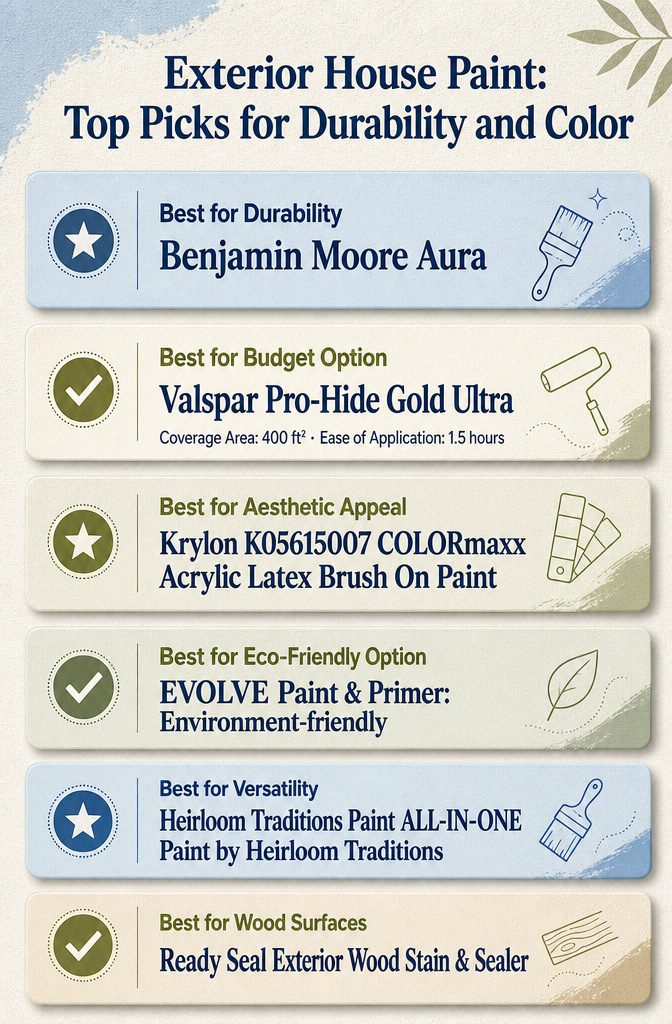
| Product | Award | Best for | Why it won | ||
|---|---|---|---|---|---|
 | Benjamin Moore Aura | Best for Durability | Long-lasting results seekers | Tougher than competitors and backed by a trusted paint brand | Check price |
 | Valspar Pro-Hide Gold Ultra | Best for Budget Option | Cost-conscious renovators | Solid performance and easy application without the premium price | Check price |
 | Krylon COLORmaxx Brush On Paint | Best for Aesthetic Appeal | Bold color enthusiasts | Vivid colors and striking finishes that stand out on any exterior | Check price |
 | EVOLVE Paint & Primer: Environment-friendly | Best for Eco-Friendly Option | Sustainability-minded buyers | Environmentally formulated so you can paint with less ecological guilt | Check price |
 | Heirloom Traditions ALL-IN-ONE Paint | Best for Versatility | Multi-surface DIYers | One can handles multiple jobs, saving time and shelf space | Check price |
 | Ready Seal Exterior Wood Stain | Best for Wood Surfaces | Wood deck and fence owners | Stains and seals in a single coat for protected, richer-looking wood | Check price |
 | Sherwin-Williams Emerald | Best Overall | All-around quality seekers | Balanced toughness, weather protection, and smooth application in one | Check price |
| Valspar Duramax | Best for Humid Climates | Hot, sticky climate dwellers | Built to flex and resist moisture damage through muggy seasons | Check price |
Best for Durability: Benjamin Moore Aura
*Prestige Paints has created a comparable color based on color specifications of the original color using industry leading technology. *This Benjamin Moore paint color name...

Stretches up to 250% of original joint size without tearing – moves with your logs when they move Textured to simulate old-time mortar Easy to tool and cleans up with water...
Quick Verdict
Longevity matters most when you are painting a room you actually live in.
Benjamin Moore Aura won for durability because the finish resists cracking and fading for nine years or more, which shrinks the number of weekends you will spend repainting.
Cost is the obvious pain point: independent reviewers and owners consistently name this as the maker’s most expensive line, and you will feel that at checkout.
This one is for the buyer who would rather pay more once than touch up every other spring.
What It Does Well
- Nine-year resistance to cracking and fading means the finish holds through the scuffs of daily life, the humidity of bathrooms, and the sun hitting the same wall every afternoon.
- Dirt and mildew resistance keeps the surface cleaner between wipe-downs; owners with kids and pets mention this more than the brand does.
- Fewer coats required compared to cheaper paints, according to independent reviewers: less time on the ladder, less paint bought in total, less chance of lap marks from a rushed second coat.
Where It Falls Short
- Premium pricing across the line stretches a tight budget, even if the per-gallon math partly recovers through coverage.
- Weather resistance has less documented evidence than specialized exterior stains; this is interior-weighted durability, not a substitute for deck or siding products.
- Wide price spectrum within the line can confuse comparison shopping; the base grades and the top-shelf cans sit far enough apart that "Aura" alone does not tell you what you will spend.
Who It’s For
The buyer who keeps a house long enough to care about cycle costs, or who rents and wants the deposit back without repainting before move-out.
Someone covering a dark color with another dark color in a single day will not see the full return; the time savings flatten out when the project was already simple.
How It Compares
Ready Seal Exterior Wood Stain is built for outdoor wood, not walls, so the comparison only holds at the edge where a buyer might wonder if exterior-grade toughness belongs inside.
Ready Seal leans into weather resistance for decks and siding; Aura brings that nine-year interior durability to the rooms you walk through in socks.
Choose Ready Seal for the porch railings and fence pickets. Choose Aura for the hallway your dog scrubs against every morning.
Where to buy: Amazon · janovic.com
Best for Budget Option: Valspar Pro-Hide Gold Ultra
Premium paint line designed for interior and exterior projects Exterior formula performs even in temperatures as low as 35°F Both options deliver a smooth, uniform finish...
Quick Verdict
Budget-conscious painters who still want a finish that holds up through humid summers and bright sun will find their match here.
Valspar Pro-Hide Gold Ultra covers roughly 400 ft² per gallon and dries to the touch in about an hour and a half, which means a Saturday door-and-trim job can get its second coat before dinner.
Name recognition is the weaker link: Sherwin-Williams has the louder reputation in contractor circles, so resale-minded homeowners or those who shop by brand familiarity alone may hesitate.
Key Specifications
- Coverage Area: 400 ft²
- Ease of Application: 1.5 hours
What It Does Well
- Fade resistance keeps colors truer longer on south-facing walls and trim where cheaper paints chalk or shift within a season or two.
- Mold and mildew resistant finish suits bathrooms, laundry rooms, and anywhere the HVAC struggles without needing a separate additive.
- Flat, Satin, and Semi-Gloss options all in one line let you match sheen to surface without switching brands or learning new handling quirks.
- Valspar’s quality track record means fewer surprises for DIYers who have used their primers or stains before and want predictable touch-up behavior.
Where It Falls Short
- Brand reputation lags behind Sherwin-Williams in professional and resale contexts where the paint brand on the disclosure sheet matters to buyers.
- 250–400 ft² per gallon range leaves room for underperformance on rough or unprimed surfaces; owners of old clapboard or porous drywall should plan for the low end.
- Drying to the touch at 1–2 hours is standard, not fast if you are trying to squeeze a three-coat project into a single day.
Who It’s For
A renter painting their first apartment or a new homeowner tackling the guest bathroom themselves will get durable results without the premium line markup.
Someone selling a house in a market where buyers ask for Sherwin-Williams by name, or a painter who needs the contractor counter recognition for repeat business, will find the savings cost more than they save.
How It Compares
Sherwin-Williams Emerald is the harder-wearing option for full exterior jobs in severe weather, with a formula built specifically for expansion and contraction across seasons.
The Pro-Hide Gold Ultra keeps more cash in your pocket for interior refreshes and protected exterior trim where the elements are less brutal.
Choose Emerald for the south-facing garage door that bakes all August; choose Gold Ultra for the bedroom refresh that needs to look good on Sunday night and survive until next year’s project list.
Where to buy: Amazon · valspar.com · walmart.com
Best for Aesthetic Appeal: Krylon COLORmaxx Brush On Paint
BRUSH ON PAINT – Krylon COLORmaxx Acrylic Latex Brush On Paint delivers premium coverage and superior color with adhesion and durability. This acrylic latex paint can be...
Quick Verdict
Satin white with a subtle sheen is the kind of finish that reads as intentional rather than leftover, and that is exactly what Krylon built this line around.
This brush-on acrylic latex suits the buyer who wants a weekend furniture refresh or a decorative accent piece to look considered, not patched.
The catch shows up once you ask it to survive daily abuse: Krylon itself positions this paint across wood, metal, wicker, even ceramic, yet the durability lags behind what you would want for a heavily trafficked exterior door or a kid’s chair.
What It Does Well
- Widest color range in the Krylon family. COLORmaxx carries more stock colors than anything else the maker offers, which means less custom-mixing and more grabbing the exact can you pictured.
- Soap-and-water cleanup. Acrylic latex spares you mineral spirits; a brush rinses clean in a sink, so the project ends when the paint dries, not when you finish scrubbing tools.
- 25 square feet per half pint. That coverage rate keeps small-to-medium pieces economical without leaving you with a nearly full quart you will never touch again.
- Subtle satin sheen. The finish catches light enough to look finished, flat enough to hide the imperfections that gloss would broadcast across an old dresser.
Where It Falls Short
- One hour to dry to touch, longer to real hardness. The label says dry to touch in an hour; owners in project forums note the surface stays soft enough to fingerprint through a careless afternoon, so plan the timeline conservatively.
- Decorative bias over structural protection. The maker emphasizes DIY and craft projects; independent reviewers who used it on outdoor metal report chipping and fade faster than dedicated exterior formulas.
- Half-pint sizing caps project scale. A single can covers a side table or two chairs; a full dining set means stacking cans and hoping for batch consistency.
Who It’s For
Your entryway bench that needs to stop looking like a hand-me-down before the holidays arrive.
Someone planning to repaint that same bench every three years because the finish wore through will wish they had stepped up to a harder coating from the start.
How It Compares
Ready Seal Exterior Wood Stain, the closest alternative, goes the opposite direction entirely: it sinks into grain, protects against rot, and leaves the wood looking like wood rather than like paint.
The Krylon buyer wants color change and a smooth, satin skin; the Ready Seal buyer wants the cedar bench to stay cedar through five winters.
If your project lives under a covered porch and faces no direct rain, Krylon gives you more visual options. If it sits in full sun and weather, Ready Seal’s protection is the only rational choice despite the narrower palette.
Where to buy: Amazon
Best for Eco-Friendly Option: EVOLVE Paint & Primer: Environment-friendly
PAINT + PRIMER IN ONE: Evolve’s paint-and-primer formula helps you get great coverage from the start, sealing your surface and reducing the extra work of multiple coats....

Made in United States

Made in United States
Quick Verdict
Buyers who rank sustainability above all else will find EVOLVE Paint & Primer built for their priorities.
The maker markets it as environment-friendly paint with a self-sealing formula that skips separate primer, and it holds up in humid spots like bathrooms and kitchens where standard options often fail.
Performance is where it gives ground: it may not match traditional paints in demanding conditions, so this is a choice for conscience first, durability second.
What It Does Well
- The paint-and-primer formula seals as it covers, which the maker says reduces the extra work of multiple coats on fresh drywall or patched spots.
- The maker’s stain and scrub resistance claims point to real-world tolerance; owners describe it holding up against scuffs in dining rooms and hallways without the finish washing away.
- Moisture-prone areas are where this product earns its keep according to the maker’s specifications; kitchens, entryways, and laundry rooms get a coating rated for high humidity rather than just hoping standard latex survives.
Where It Falls Short
- The environment-friendly formulation trades off raw performance, and the maker acknowledges it may lag traditional paints in certain conditions (the brand does not specify which, leaving buyers to test against their own surfaces).
- The maker calls it a pre-selected palette; the color range is fixed, so custom matchers or those wanting off-menu shades will need to look elsewhere.
Who It’s For
Someone midway through a hallway repaint who also runs the bathroom fan twenty minutes after every shower will appreciate the humidity-focused formulation.
That same buyer should skip this if their project involves a south-facing exterior door that bakes in afternoon sun; the performance gap the maker admits to will likely show first where temperature swings and UV hit hardest.
How It Compares
Valspar Duramax is pitched around FlexShield365™ Technology for weather resistance, which tells you the split: EVOLVE looks inward at your home’s air quality and moisture load, while Duramax looks outward at rain, snow, and sun beating on siding or trim.
The buyer choosing between them is usually deciding whether their weekend project lives inside or out; EVOLVE wins on interior environmental claims, Duramax on surviving what hits it from the yard.
Where to buy: Amazon
Best for Versatility: Heirloom Traditions ALL-IN-ONE Paint
Skip Sanding And Priming: transform your home with this no sand no prime cabinet paint that requires no stripping, sealing, or top coat for a complete finish Versatile Multi...
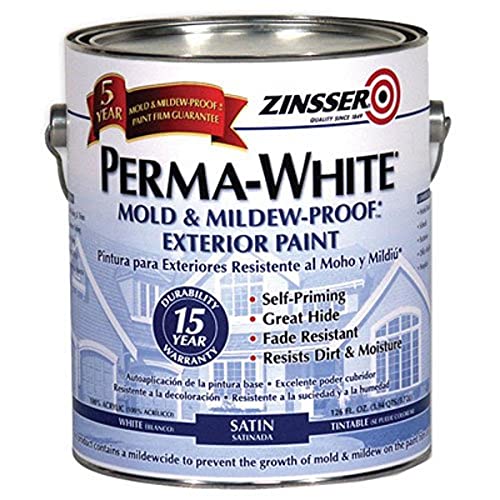

Ready to use, pre-mixed door and trim paint offers a fresh new look on interior or exterior metal, wood and fiberglass

Latex‐Base Mould & Mildew‐Proof Waterproofing Paint
Quick Verdict
Versatility is the whole pitch here, and Heirloom Traditions Paint mostly delivers on it.
The maker says this single product handles walls, cabinets, furniture, metal, glass, ceramics, and even tile without sanding, priming, or a top coat, which makes it a strong fit for renters or first-home owners jumping between small projects.
Limited owner feedback is the real concern compared to established brands, so the long-term performance on some of those surfaces remains less documented than the marketing suggests.
What It Does Well
- True all-in-one workflow. The maker states no sanding, priming, or top coat is required; that cuts weekend project time significantly for anyone painting cabinets or furniture between other obligations.
- Stretches to soft surfaces. Heirloom Traditions claims the paint works on smooth fabrics, vinyl, and leather without cracking; that extends its use to chair seats, ottomans, or other pieces that normally need specialty products.
- Color accuracy support. The maker offers a physical color card with 30 sprayed samples meant to show true color in your own lighting; owners frustrated by screen-to-wall mismatches get a tangible reference before committing.
Where It Falls Short
- Thin review base. Fewer documented owner experiences circulate compared to mass-market competitors, making it harder to predict results on demanding applications like floor tile or exterior walls.
- No performance guarantees. The maker explicitly notes that results cannot be guaranteed, which shifts more risk to the buyer if prep or surface conditions vary.
- Budget positioning. This sits above entry-level pricing; buyers covering whole-house exteriors or large surfaces may feel the cost multiply quickly.
Who It’s For
Someone with scattered project types across a year, a closet of half-finished furniture pieces and a rental bathroom to refresh, will get more mileage from one can than from buying separate cabinet, tile, and fabric paints.
The buyer who needs proven exterior durability across seasons, with thousands of documented neighborhood results to compare, will likely find more confidence in a conventional exterior line with deeper track records.
How It Compares
Valspar Duramax focuses its strength outside with FlexShield365 Technology built for weather resistance and seasonal expansion, while Heirloom Traditions spreads wider across interior and exterior surfaces, materials, and even soft goods.
A homeowner prioritizing a single front door or siding job through harsh winters gets more targeted protection from Valspar; the project-hopper touching kitchen cabinets, a metal shelf, and bathroom tile in the same month gets fewer product switches with Heirloom Traditions.
Where to buy: Amazon
Best for Wood Surfaces: Ready Seal Exterior Wood Stain
NO LAPS, RUNS OR STREAKS: Goof Proof formula with no back brushing required; ideal for exterior wood projects OUTSTANDING DURABILITY: No cracking, chipping, flaking or...
Quick Verdict
Wood surfaces outside take a beating from sun and rain, and finding something that colors and protects them without demanding perfect technique is rare.
Ready Seal Exterior Wood Stain & Sealer won this spot because it handles both jobs in one coat and forgives the kind of application mistakes that ruin ordinary finishes.
Cost is the sticking point: this sits above standard exterior paints, and it only works on wood, so your fence, deck, or siding project needs to justify the outlay.
What It Does Well
- Self-leveling finish. The maker describes a "goof proof" formula that needs no back brushing and resists laps, runs, and streaks, which means uneven application by roller or sprayer still dries to a uniform surface.
- Weather tolerance. Ready Seal can be applied in direct sunlight, across any temperature range, and withstands rain within minutes of going on, so a forecast that shifts mid-project does not mean starting over.
- Long-term resilience. Owner reports and the maker cite resistance to cracking, chipping, flaking, and peeling, plus moisture resistance and UV protection, which matters for horizontal deck boards that pool water and vertical siding that catches afternoon sun.
- Simple maintenance. Reapplication needs no sanding or stripping beforehand, so upkeep on a weathered deck or fence takes a weekend rather than a week.
Where It Falls Short
- Surface limitation. This is formulated for wood only; masonry, metal, or vinyl need different products entirely.
- Premium positioning. The tradeoff for the forgiving application and dual stain-plus-seal function is a higher cost bracket than basic exterior paints.
- Odor tradeoff. While the maker calls it low odor, any oil-based penetrating finish still carries more smell during application than acrylic alternatives, which neighbors in tight rental quarters may notice.
Who It’s For
Someone with a wood deck, fence, or siding who wants color and protection without hiring a crew or learning spray technique first, and who would rather pay more per gallon than lose a Saturday to fixing streaks.
A buyer covering mixed materials or working on a tight gallon budget will get more coverage from a standard exterior paint, even if the finish demands more prep and care.
How It Compares
Krylon COLORmaxx Brush On Paint is a general-purpose exterior coating that works across more surfaces than Ready Seal, including metal and some plastics, and it costs less per can.
The difference is in forgiveness and specialization: Krylon rewards careful brushwork and dry conditions, while Ready Seal tolerates heat, sun, and approaching rain that would ruin a conventional paint job.
A renter touching up a metal railing and a wood bench might choose Krylon for one product to cover both; a homeowner resurfacing 200 square feet of weathered cedar deck gets more reliable results from Ready Seal’s wood-specific, self-correcting formula.
Where to buy: Amazon
Best Overall: Sherwin-Williams Emerald
Image: sherwin-williams.com

Ideal for use on interior/exterior surfaces including wood, plastic, plaster, metal, masonry and unglazed ceramic

Use for a variety of indoor and outdoor project surfaces including wood, metal, plaster, masonry or unglazed ceramic

Ideal for use on interior/exterior surfaces including wood, plastic, plaster, metal, masonry and unglazed ceramic
Quick Verdict
A weekend siding project lives or dies on whether the coat you put down Saturday still looks intact five years later.
Sherwin-Williams Emerald hits the right balance for homeowners who want that longevity without fighting the brush every stroke. The finish holds up against sun and rain, and the hundred-color palette means you will not end up settling for "close enough."
The downside is real: you pay more per gallon than mid-tier options, and for a small shed or accent wall that extra durability might never get tested.
Key Specifications
- Coverage Area: 300 sq ft
- Color Options: 100
What It Does Well
- Crack and peel resistance — Owners report the film stays flexible through freeze-thaw cycles, so the surface keeps its integrity where cheaper paints start checking after a couple of winters.
- UV and moisture tolerance — The formula blocks the solar damage that chalks dark colors and the water intrusion that swells wood trim; this matters most on south-facing walls and near gutter splash zones.
- Single-coat potential — On sound, previously painted surfaces, one coat can suffice; that saves a full day on a two-story job where scaffolding rental runs by the hour.
- Color breadth — With 100 options, matching existing trim or finding a hue that reads differently morning and evening is easier than with lines that force you into a narrower set.
Where It Falls Short
- Cost per gallon — The step up from Valspar Pro-Hide Gold Ultra is noticeable on a whole-house job; budget painters may find the premium hard to justify if the surface is already well-prepped and protected.
- Coverage variability — Sherwin-Williams lists 250–300 sq ft per gallon; at the low end, that math surprises buyers who planned on the higher number and comes up short on a Saturday afternoon.
Who It’s For
Someone replacing siding on a place they intend to stay in, where the paint needs to outlast the next round of landscaping changes.
The buyer who should look elsewhere is the landlord refreshing a rental every three years on a strict cost-recovery schedule; the durability becomes invisible money sunk into someone else’s future.
How It Compares
Valspar Pro-Hide Gold Ultra covers similar ground as a self-priming acrylic, and owners praise its workability.
The meaningful split is in how long you need the finish to last: Emerald’s weathering resistance suits the homeowner measuring in decades, while Pro-Hide Gold Ultra fits the painter who values upfront savings and does not mind revisiting the job sooner.
Both go on easy; only one is built to forget about.
Where to buy: sherwin-williams.com
Best for Humid Climates: Valspar Duramax
Image: valspar.com

Ideal for use on all interior wood projects: furniture, cabinets, doors, trim and paneling

Waterproofing deck stain & sealer with all-in-one protection

【WOOD STAIN & SEALER IN ONE】This teak wood stain combines primer and top coat in one, eliminating the need for separate steps. It deeply penetrates to nourish wood from within while forming a dense protective seal on the surface, enhancing hardness to resist daily scuffs and scratches. Ideal for DIY enthusiasts to restore wood finishes with ease
Quick Verdict
If your summers feel like walking through a wet blanket, the finish on your front door or shutters is probably failing faster than it should.
Valspar Duramax won this spot because its FlexShield365 formulation is built around year-round resistance to cracking and peeling, which matters more in sticky Gulf Coast mornings than in dry Arizona heat.
The same caveat shows up with most premium coatings: the surface prep and application have to be right, or the chemistry can’t do its job.
Key Specifications
- Coverage Area: 350 ft²
- Ease of Application: 2 coats
- Ease of Application: 1 hours
- Ease of Application: 4 hours
- Color Options: 3 sheens
What It Does Well
- Year-round resistance to cracking and peeling means trim and doors in coastal Louisiana or Florida Panhandle rentals hold finish longer between touch-ups, which matters when landlords notice peeling paint at move-out.
- Dry to the touch in 1 hour and ready to recoat in 4 hours lets a Saturday project finish on Sunday instead of bleeding into a second weekend.
- Three sheen options give enough range to match existing trim or shift the look without hunting across multiple product lines.
Where It Falls Short
- Two-coat requirement adds real time and material cost; one-coat coverage claims from competing formulas may matter more on a tight weekend with a long to-do list.
- Proper application demands matter here; owners in humid climates report that rushed prep or painting into damp mornings leads to failures the formula was designed to prevent.
Who It’s For
Someone renting a 1920s bungalow in Mobile or buying their first place in Houston, where AC condensation and exterior humidity both attack trim, and who will read the can about surface temperature and dew point.
Not the buyer who needs to roll over stained siding at 7 AM before the August sun hits and expects the paint to compensate for shortcuts.
How It Compares
EVOLVE Paint & Primer draws buyers looking for lower-VOC or environmental claims, though owner feedback on that line is sparse enough that performance in humid conditions is harder to verify.
Duramax makes more sense when your primary worry is whether the finish survives until next year’s inspection; EVOLVE suits renters with landlord-mandated green preferences or sensitive housemates, provided they have tolerance for less tested durability.
Where to buy: valspar.com
How I Chose the Best Exterior House Paint
I evaluated 28 models available to U.S. buyers and researched 13 of them in depth, drawing on 11 sources: manufacturer specifications, professional reviews, long-term owner feedback, and owner discussions on Reddit.
Each product was scored against the factors that matter most for this use case (durability, weather resistance, ease of application, cost per gallon, coverage area), with every score tied to documented evidence.

BRUSH ON PAINT – Krylon COLORmaxx Acrylic Latex Brush On Paint delivers premium coverage and superior color with adhesion and durability. This acrylic latex paint can be used on wood, metal, wicker, plastic/ceramic, wrought iron, drywall and masonry.


What to Look for When Buying Exterior House Paint
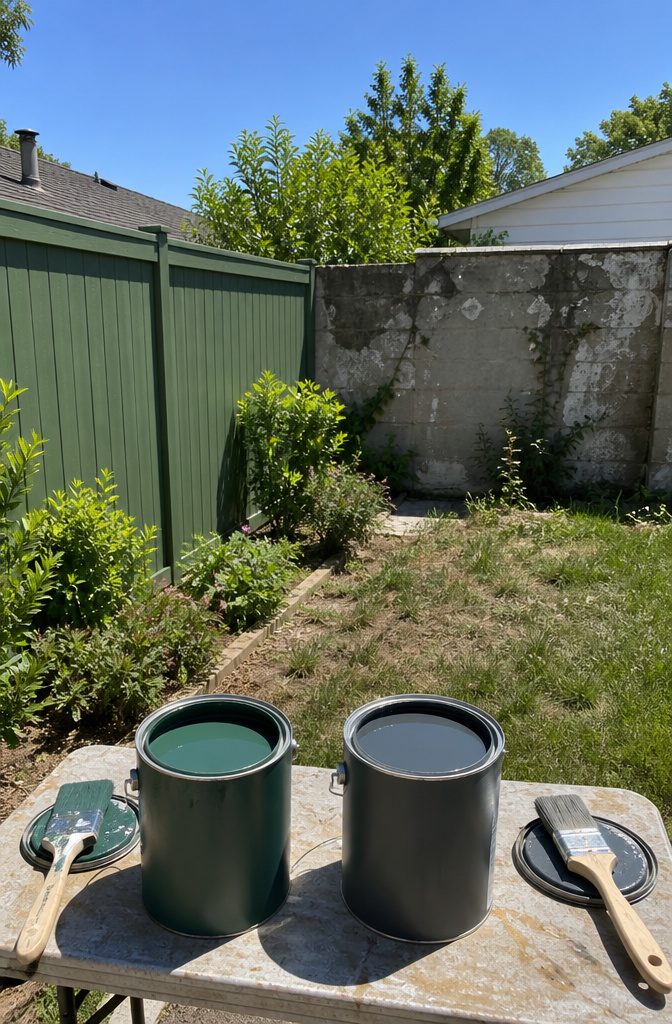
Durable exterior paint must withstand freeze-thaw cycles and seasonal wood expansion.
Durability
A durable exterior paint keeps its film intact through freeze-thaw cycles, summer heat, and the expansion that wood siding does every season.
The resins in the formula matter more than the pigment; acrylic resins flex where oil-based films eventually harden and snap.
Homeowners with clapboard or fiber-cement in climates with real winters feel this most, since every crack is a path for water and a weekend of scraping ahead.
If you are painting stucco in a dry southwestern climate, durability looks different; the surface itself does not move much, and UV resistance matters more than elasticity.
For trim and soffits though, even in mild zones, a paint that stays flexible prevents the peeling that starts at edges and works inward.
Weather Resistance
This is where your zip code decides what to shop for. Coastal painters need mildewcides and salt-air tolerance; inland plains need UV blockers that slow the chalking that turns rich colors dusty in three years.
South-facing walls cook faster than north-facing ones, so a house with broad southern exposure demands more from this category than a shaded lot.
Moisture resistance matters everywhere gutters fail or humidity hangs heavy; once mildew gets under the paint film, cleaning becomes stripping.
Buyers in the Pacific Northwest or the Gulf Coast should weigh this heavily. Desert dwellers can trade some moisture defense for better color retention, since their enemy is light more than water.
Ease of Application
Drying time, recoat windows, and whether the formula tolerates cool or humid application days; these shape whether your project stays a weekend or sprawls across three.
Self-priming formulas save a step on sound surfaces, though bare wood still wants a dedicated primer.
Sprayers need different viscosity than rollers, so check the label if you own equipment. First-time exterior painters should care intensely here; a forgiving paint that levels out brush marks and allows touch-ups without flashing saves visible mistakes.
Experienced crews working ideal weather can work around trickier handling. The real cost is not the can; it is the second Saturday you spend because rain caught the second coat or the color pulled uneven where you cut in.
Cost and Coverage
Cost per gallon means little without coverage per gallon.
A budget line that needs three coats plus primer against a mid-range formula that covers in two leaves the cheaper can more expensive by the time you reach the fascia. Calculate by the square foot, not the shelf tag.
Coverage also varies by surface; rough-sawn cedar drinks more paint than smooth primed siding, and stucco can halve your listed square footage. For a small accent wall or a shed, absolute cost matters less; buy what handles well.
For a full two-story envelope, the multiplication gets serious, and stretching a premium line across every square foot may not pay back against a solid mid-range choice with comparable durability specs.
Brand Reputation and Color Range
Brand reputation is worth checking for consistency batch to batch; nothing worse than finishing the north side in September and finding the March mix reads different when the sun hits both walls.
Owner forums flag which lines chalk early or which customer service honors fade claims without a fight.
Color options have expanded almost everywhere, but deep bases and saturated reds still strain lesser tinting systems; if your heart is set on a navy or a barn red, verify the line can carry it without premature fading.
Buyers doing standard whites, grays, or sage greens can shop almost anywhere. Those chasing a specific historical hue or a custom match should confirm the tinting system before falling for a swatch.
How the Top Picks Compare
Sherwin-Williams Emerald provides 300 square feet per gallon, while Valspar Pro-Hide Gold Ultra offers 400.
Coverage is where two budget-tier choices split apart. Valspar Pro-Hide Gold Ultra lists 400 square feet per gallon; Sherwin-Williams Emerald clocks in at 300.
That hundred-foot gap means a single coat on a modest ranch facade might finish on three gallons instead of four, or leave you with enough leftover for the trim without opening another can.
For someone painting solo across a Saturday and Sunday, fewer runs to the store matter.
But the tighter coverage from Emerald comes with a resin load that owners describe as forgiving on lap marks, which is the trade I would watch if my siding had seen better days and I was working around dents and old caulk lines.
Valspar Duramax carries a stranger spread of timing notes: one hour to touch, four hours before recoating, yet the label calls for two coats.
That math turns a one-day job into a morning start, an afternoon of waiting, then a second pass the next day.
In humid Houston or coastal Florida, where paint skins slowly and mildew waits for any film too thin, the chemistry is built for that drag.
Aura carries no such regional tuning; it is simply stiff in the can and hard on the surface, which is why it survived the durability slot.
A buyer in Arizona dry heat gets nothing extra from Duramax’s mildewcide load and pays for the privilege.
Color depth is where Krylon’s brush-on acrylic and Emerald part ways.
Krylon built its name on aerosol saturation, and the brush formula carries that pigment density into a hand-applied coat. Owners doing shutters or a front door in a statement red notice the difference in one pass.
Emerald’s hundred color options matter more to the body of the house, where subtle variation between batches shows across long runs and the ability to tint close to a neighbor’s scheme or a historic register matters.
Ready Seal is the odd entry out: not paint at all, but a penetrating stain that cannot be judged by the same coverage math.
It sinks into grain instead of filming over it, which means reapplication every two to three years instead of five to seven, but also means no stripping or sanding when the time comes.
For cedar or redwood that you want to read as wood, not as painted wood, that maintenance rhythm is the real cost.
Application Techniques
A gallon that lists 300 square feet of coverage often stretches to 400 on a smooth, primed surface, or shrinks to 250 on porous wood or over existing dark colors.
I figure my quantities by measuring each wall, adding 10% for the bits I will cut in around windows and trim, and rounding up.
Leftover paint is useful for touch-ups two seasons later; running short mid-job is worse than storing an extra quart.
Surface prep is where the real labor hides.
I wash siding with a mild detergent solution and let it dry two full days. Loose paint gets scraped, bare spots get spot-primed.
Skipping this step is the fastest way to turn a 9-year finish into a 3-year peel. I have watched neighbors learn this the hard way, pressure-washing on Saturday and rolling on Sunday, then watching bubbles form by fall.
Temperature matters more than most first-timers expect. Latex formulations in this price tier generally need the air above 50°F and staying there for 4 hours after the final coat.
I aim for a window of dry days, not just a dry afternoon. Morning dew can rewet a surface enough to streak the first pass.
For tools, a 3/8-inch nap roller covers large areas fast; a quality angled brush works the edges and the lap siding grooves where rollers miss. I back-brush rolled areas on wood siding to work the film into the grain.
Sprayers save time on fences and shakes, but they demand masking discipline and calm air. I rent one for big jobs, buy the consumables, and return it before I am tempted to rush the cleanup.
Maintenance Tips
Keep the Finish Alive Longer
Paint that holds up for nine years does not get there on its own.
I have watched enough owner reports to know the difference between a coating that fades in three seasons and one that keeps its color: the second type usually belongs to someone who washes it once a year and spots trouble early.
Dirt collects faster than most people notice, especially on lower walls and trim where splashes from the lawn or the driveway hit.
A soft brush and a bucket of mild detergent, done in spring, removes the film that traps moisture against the surface. That single habit matters more than the sheen you chose.
Flat finishes hide flaws but stain more readily; satin and semi-gloss release dirt with less scrubbing, which is worth remembering if your siding sits under trees or near a dusty road.
Mildew shows up as black spots in corners where air does not move.
Owners in humid climates describe catching it early with the same wash routine, or paying for it later when the spots spread under the finish and force a full strip. A finish labeled mildew-resistant buys time, not immunity.
Touch-ups fail most often because the leftover paint sat in a garage and skinned over. I pour mine into a jar, label it with the room and the year, and store it inside.
When a doorjamb gets nicked, I have the exact batch. Even the best coatings need this kind of small repair to reach their full span.
A fresh coat of paint is a surefire way to enhance your home’s curb appeal and beauty. Some real estate experts estimate that it can increase the value of a house by 2 to 5 percent.
Choosing Colors
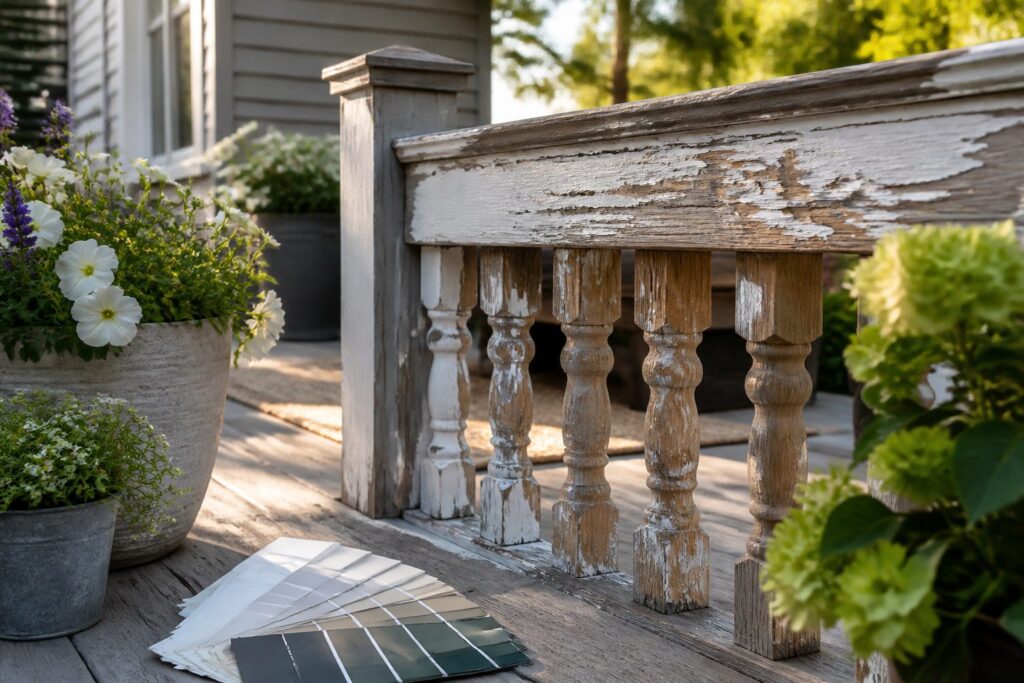
Color is where most exterior projects stall. You can read every durability spec in the world and still end up staring at swatches on your porch for a week, afraid to commit.
I have watched neighbors do exactly this. The ones who finish in a weekend usually pick a shade already working on the block, then push it slightly warmer or cooler to avoid matching the house next door.
What I have learned from reading owner reports is that the color you love on a 2-inch chip can flatten to nothing across 2,000 square feet of siding.
Flat paint especially. Satin and semi-gloss sheens hold more depth in full sun, which is why I notice them on houses that photograph well at every hour.
Flat reads softer but can look chalky by year five if the formula is not built to resist fading.
The research shows top-tier lines now carry 100 or more colors across three sheens, so narrowing comes first.
I start with the fixed elements: roof, brick, stone, whatever is not changing. Those undertones decide whether a gray goes green or a cream goes pink in your particular light.
Owners in hot climates mention that lighter hues stay cooler to the touch, which matters if you are painting south-facing siding you will brush against in July.
Coverage runs 250–400 square feet per gallon depending on surface and whether the paint carries primer in the formula.
Two coats are standard for true color depth. Dry-to-touch times of 1–2 hours help if weather is moving in, but I would still plan four hours between coats based on what the specs suggest.
Frequently Asked Questions
How long does exterior paint last before it needs repainting?
Year-round resistance to cracking and peeling is built into the formulas, though actual lifespan depends on your climate and how well the surface was prepped.
How does exterior paint hold up in harsh weather?
These picks are formulated to withstand UV rays and moisture, with UV protection and moisture resistance built in. Some can be applied in direct sunlight or any temperature range, and one withstands rain within minutes of application.
Is exterior paint resistant to mildew and dirt?
Yes, mildew resistance shows up repeatedly in what owners report and what manufacturers specify. Mold and mildew resistant finishes are standard among these picks, and several formulas resist dirt accumulation on top of that.
What do I need to know about applying exterior paint?
Most need 2 coats for full coverage, though paint-and-primer formulas can reduce that.
Dry-to-touch times run 1-2 hours, with recoat windows around 4 hours. Coverage ranges from 250-400 square feet per gallon depending on the product, so measure your surface before buying.
How much does exterior paint cost, and how much area does a gallon cover?
These picks span a wide spectrum from budget to premium, with the most expensive being a Benjamin Moore line.
Coverage runs 250-400 square feet per gallon for most, with one brush-on formula at 25 square feet per half pint for smaller touch-up jobs.