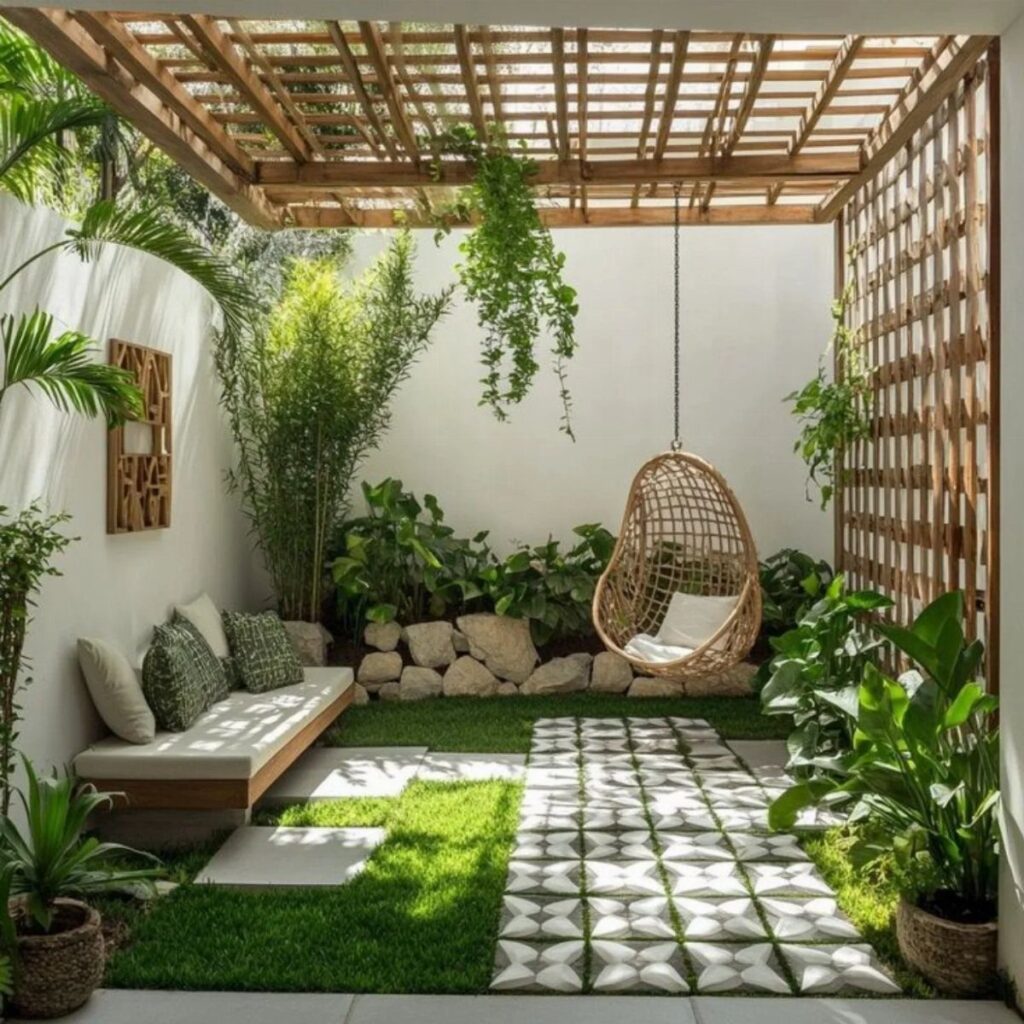
A small garden can live in a single pot, climb a wall, or fill a raised bed with vegetables; the ideas below cover all three, plus layouts for balconies, front yards, and the planning mistakes that waste money.
I have watched morning shade from a neighbor’s tree flip to afternoon glare by August, which is why every plan here starts with mapping sun before buying a single plant.
[link-whisper-related-posts]1. Vertical Garden Design
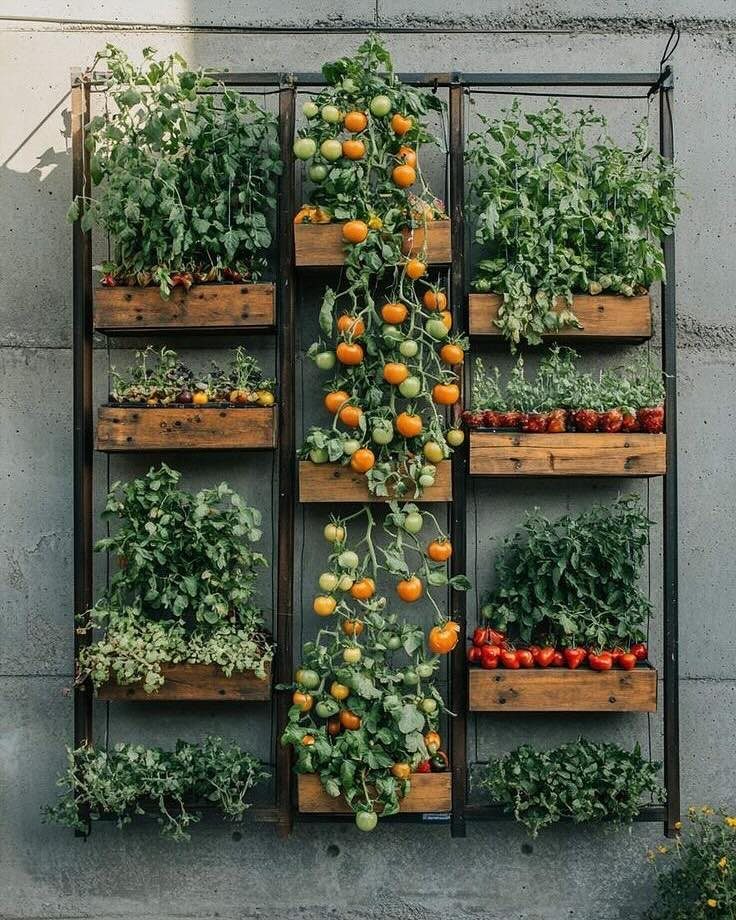
A vertical garden turns a blank wall into growing space by mounting planter boxes on a frame and letting vines climb.
I like this for renters because the hardware comes down when you move, and for anyone whose only sunny spot is up the side of a townhouse or garage.
Tomatoes do well in the deeper boxes; herbs and greens fill the shallow ones. The frame needs to stand off the wall a few inches so water does not seep into siding or stucco.
South-facing concrete walls reflect heat and speed ripening, but they also dry soil faster, so I check boxes there more often than ground beds.
Patrick Blanc’s living walls are the showy end of this; a simple trellis and a few stacked pots are the starting point.
Both versions share the same rule: put the heaviest plants low and the trailing ones high so nothing pulls the frame loose.

Innovative Space-saving Design: maximize your gardening potential with our stackable wall planter system; Each piece measures 9.45" x 5.71" x 5.51" and features two pockets, The overall dimensions are 47.5"x33"x5.5" offering ample growth space for a variety of plants; Nice for Fence Balcony Wall Decor, these vertical wall planters change limited spaces into gardens effortlessly


Vertical Wall Planter: Mounts on a fence, a deck rail or an exterior wall and stacks 3 planting shelves into the footprint of a single pot, so a balcony or small patio gains a plant wall without losing floor space
2. Container Garden Design
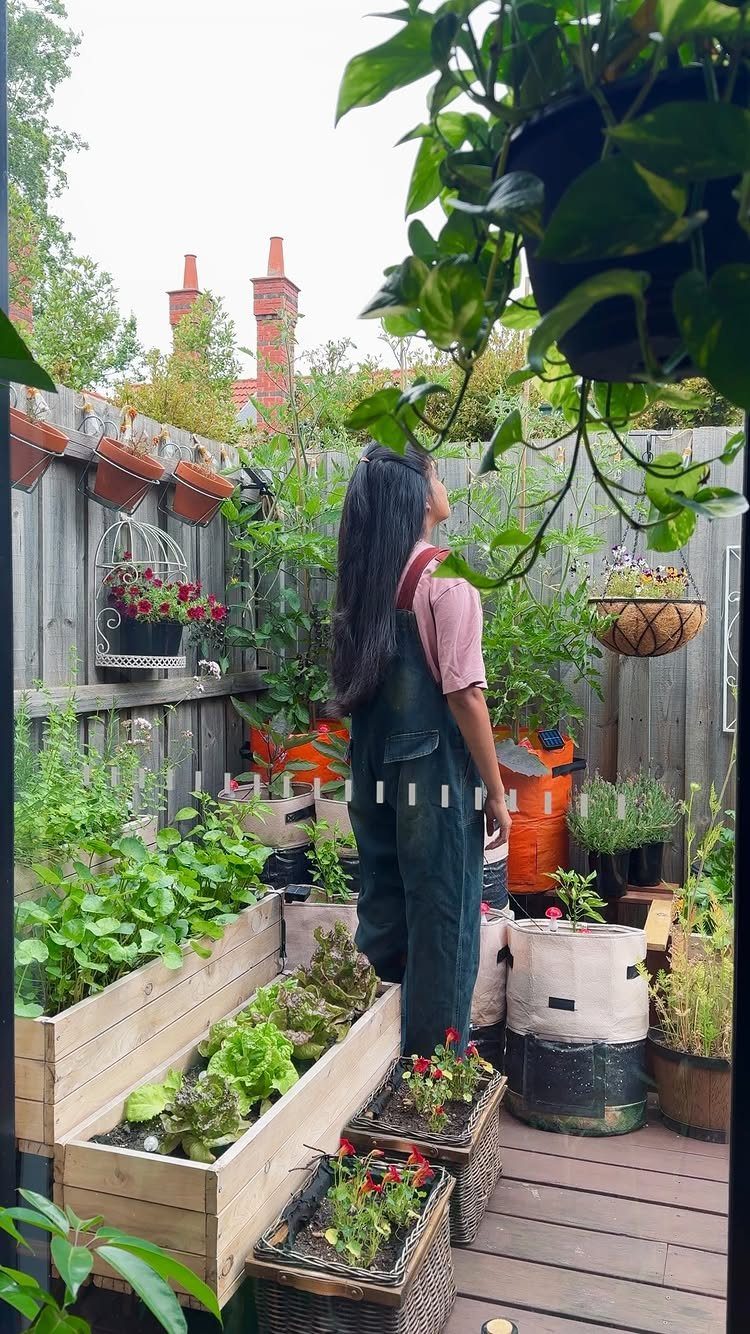
Container gardens move when you move, which matters if your afternoon sun shifts with the seasons or your lease ends before the next growing cycle.
Grow bags, wooden boxes, hanging baskets, and wall-mounted pots mixed together on a deck give you more planting options than any single container type.
Drainage holes are non-negotiable; I have killed more plants by trusting a pretty pot without them than by any other mistake.
Grouping containers by water need saves time: succulents in one cluster, leafy herbs in another, tomatoes in the largest boxes with the deepest soil.
Sizes should vary, with tall plants at the back or center and trailing ones at the edge to spill over.
Soil quality is the hidden advantage here.
My backyard clay grows nothing without amendment, but a 50/50 mix of potting soil and compost in a container starts fresh every spring. Rearranging pots in April and again in July costs nothing and makes the space feel new.
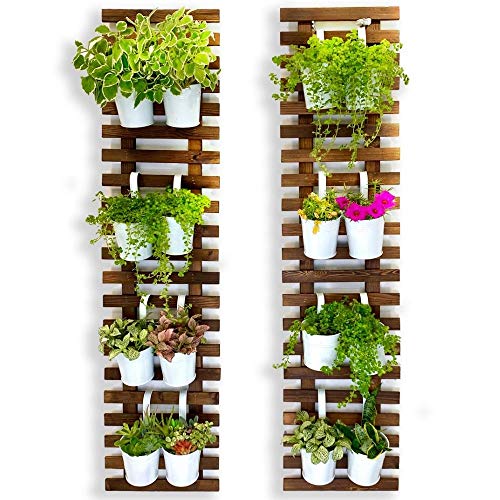
29x120cm (11.4" x 47.2") x 2 pcs. Plants, flowers, pots, decorations are NOT included

🍒Durable and Safe Material: vertical wall hanging planter made of high-quality durable PP resin material, safe and non-toxic, this polypropylene resin planter is a tough, light weight, all-weather durability with UV protection for outdoor use, an alternative to clay or ceramic planters.

Tall trellis: 29x150cm (11.4" x 59.1") x 1 pc. Pick the right size for your garden to prevent unpleasant experience and potential wastage of resources. Plants, flowers, pots, decorations are NOT included
3. Raised Bed & Edible Garden Design
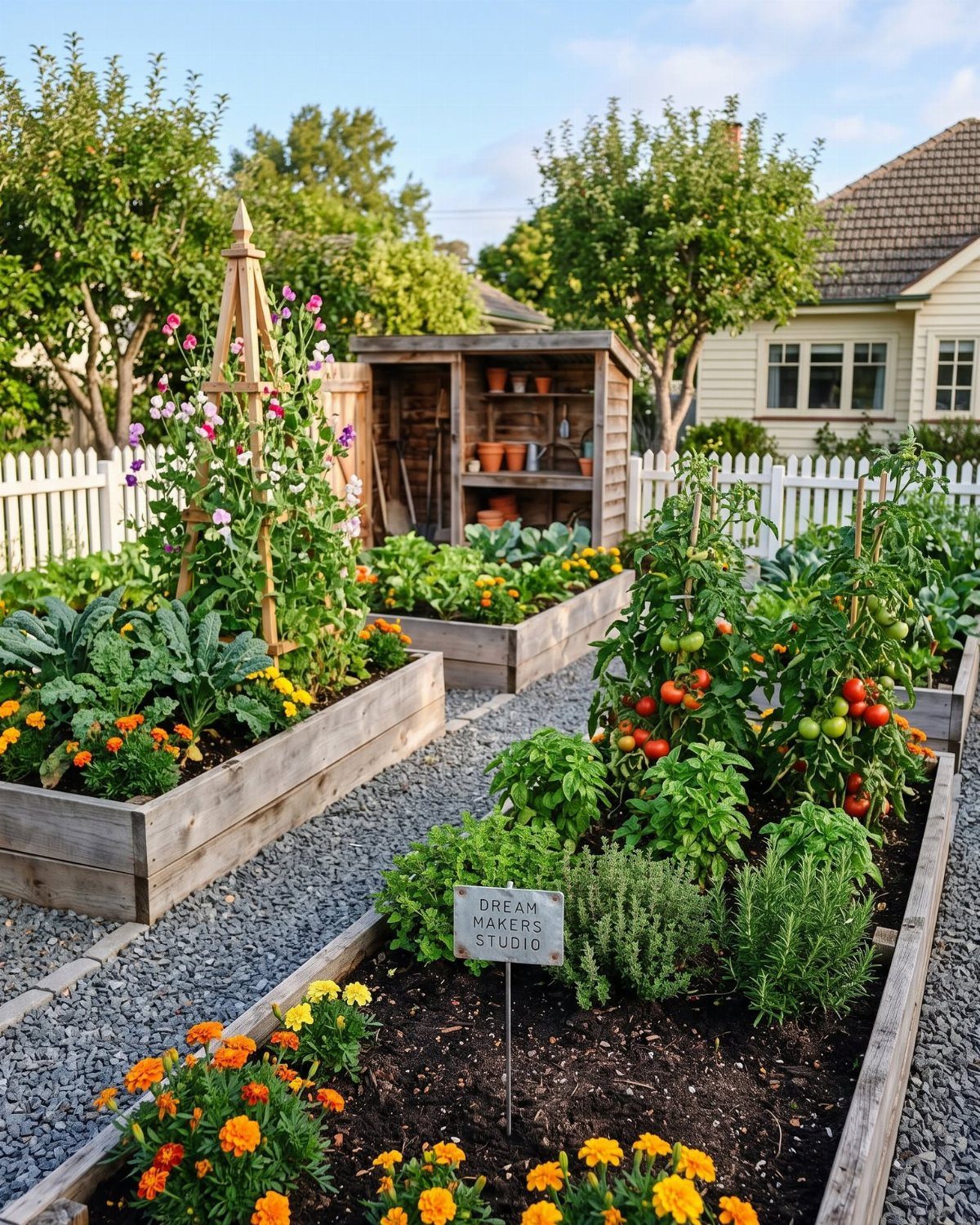
Raised beds solve 2 problems at once: they look orderly from the street, and they grow food without the back strain of bending to ground level.
Wooden boxes on gravel paths are the setup I would copy for a first vegetable garden.
Good soil is the whole reason to raise the bed.
I fill mine with a mix of topsoil, compost, and a little coarse sand for drainage, then top-dress with compost each spring. Raised height makes weeding and harvesting easier; most adults can sit on the edge to work without kneeling.
Paths need to be wide enough for a wheelbarrow or at least a bucket. I plant marigolds at the corners for color and because they draw pollinators to the tomatoes.

Sturdy & Garden-Ready Material: Made of 300g of thickened nonwoven fabric, these pots are moderately permeable, environmentally friendly, and BPA-free; Ideal for raised beds, patios, and outdoor gardens

Sturdy Fabric Material: Our Non-Woven fabric grow bags are crafted using high-strength weaving technology, which allows the planting bags to remain lightweight while possessing an impressive ability to bear weight.

Superior Aeration and Drainage for Healthier Roots:Thick nonwoven fabric allows excellent airflow and water drainage to prevent overwatering and root rot promoting stronger plant growth
4. Japanese Zen Garden Design
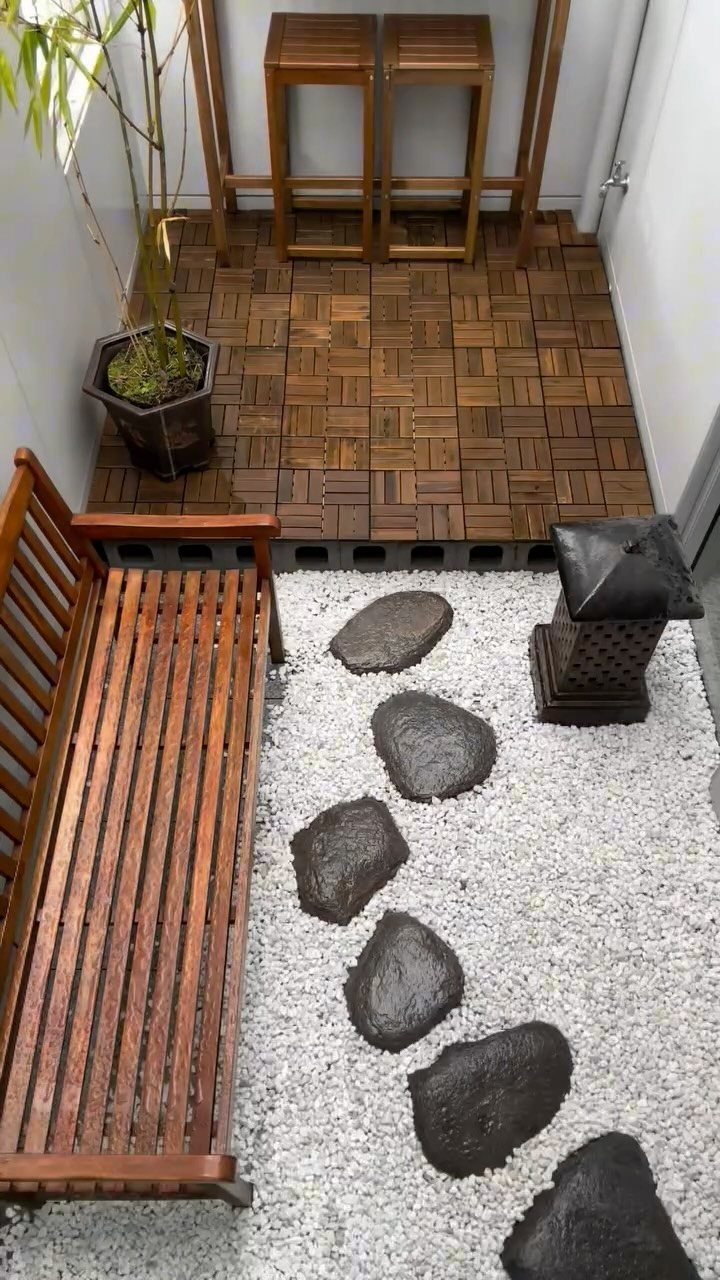
A Japanese Zen garden uses almost no plants, which makes it the right choice for a shaded courtyard or for anyone who travels and forgets to water.
White raked gravel, dark stepping stones, a bench, and a single bamboo in a pot; that restraint is the entire idea.
Gravel represents water, rocks suggest mountains, and the raked pattern catches light differently through the day.
I would start with the biggest rock I could move and build outward; the asymmetry matters more than symmetry here. A stone lantern or a small basin for water adds the human element without clutter.
This trades away color and harvest for quiet. It needs weeding and raking, but not daily attention, and it looks correct in winter when perennial beds look dead.
The Portland Japanese Garden expands these principles across acres; a balcony corner with 2 bags of white gravel and a single stone can borrow the same mood.

Ready-to-Use Formula: No mixing or extra steps required. Simply pour and plant - perfect for gardeners of all experience levels.

ALL-NATURAL MIX: Burpee Organic Premium Potting Mix is formulated with plant food & coconut coir to promote seed & root growth and healthy flower, vegetable & herb plants. OMRI Listed for organic use.

5. Balcony and Patio Small Garden Ideas
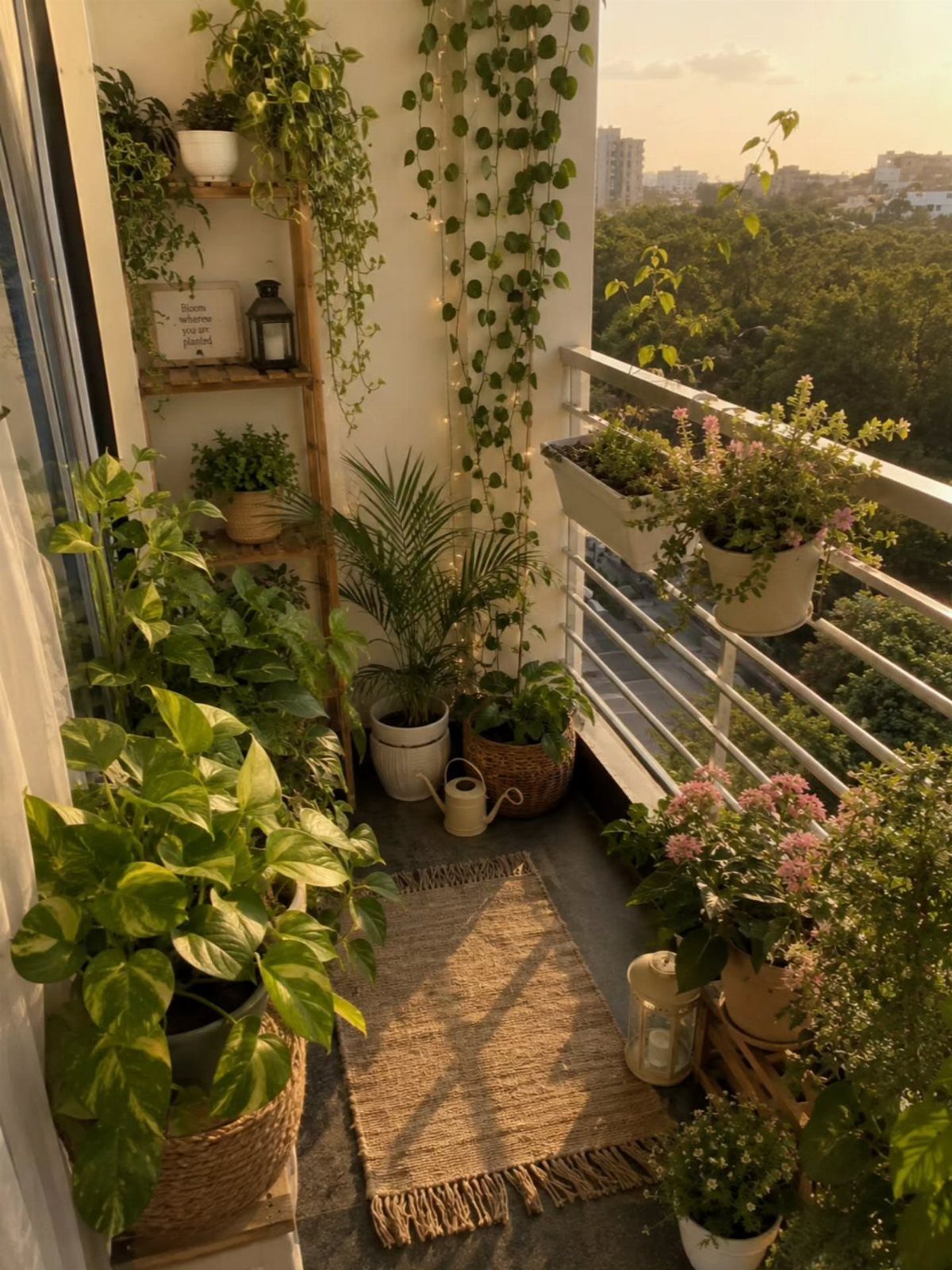
Balcony gardens work with what is already there: railings for hanging planters, walls for brackets, floor space for pots that stack or nest.
A narrow city balcony filled with green at sunset is half about the plants and half about the light.
Rail planters turn a safety barrier into growing space without stealing square footage from the floor.
I use lightweight coco-lined baskets for annuals and keep anything heavy, like a tomato or small shrub, directly over a structural support, not the cantilevered edge.
A jute rug and a small shelf turn the remaining floor into a room that happens to be outdoors.
Wind is the enemy on upper floors; I have had climbers thrash themselves to shreds and soil dry to dust in an afternoon.
Choosing tough plants like pothos or ivy, grouping pots to shelter each other, and checking soil weight after watering all help. Foldable furniture stores flat against the wall when the space needs to work as a garden alone.
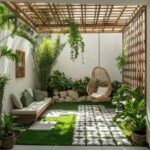
Tiny gardens are typically quick to create (once you have the necessary items and an idea or two of what you want to try to create). Many tiny plants can be grown indoors as well as outdoors!
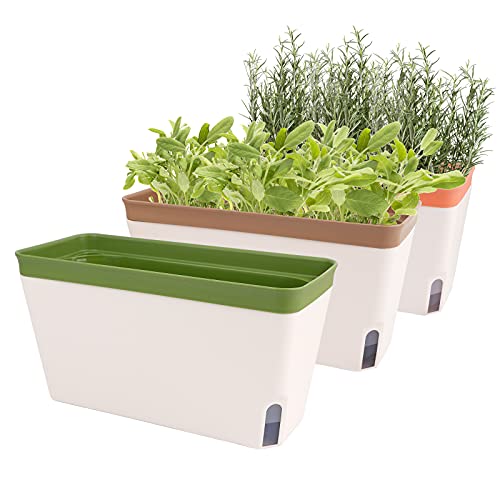
SELF-WATERING PRINCIPLE: Through two absorbent cotton ropes, the self watering pots provide water to the soil and keep the soil moist through the principle of osmosis, without having to water the plants regularly. Even if you leave home for a few days, it can help you take care of the plants and avoid plants die from water shortage.


Packed:6 colors square plastic plant pots with square pot saucers,and 4 pairs of each color.
6. Small Front Yard Garden Borders and Outdoor Décor
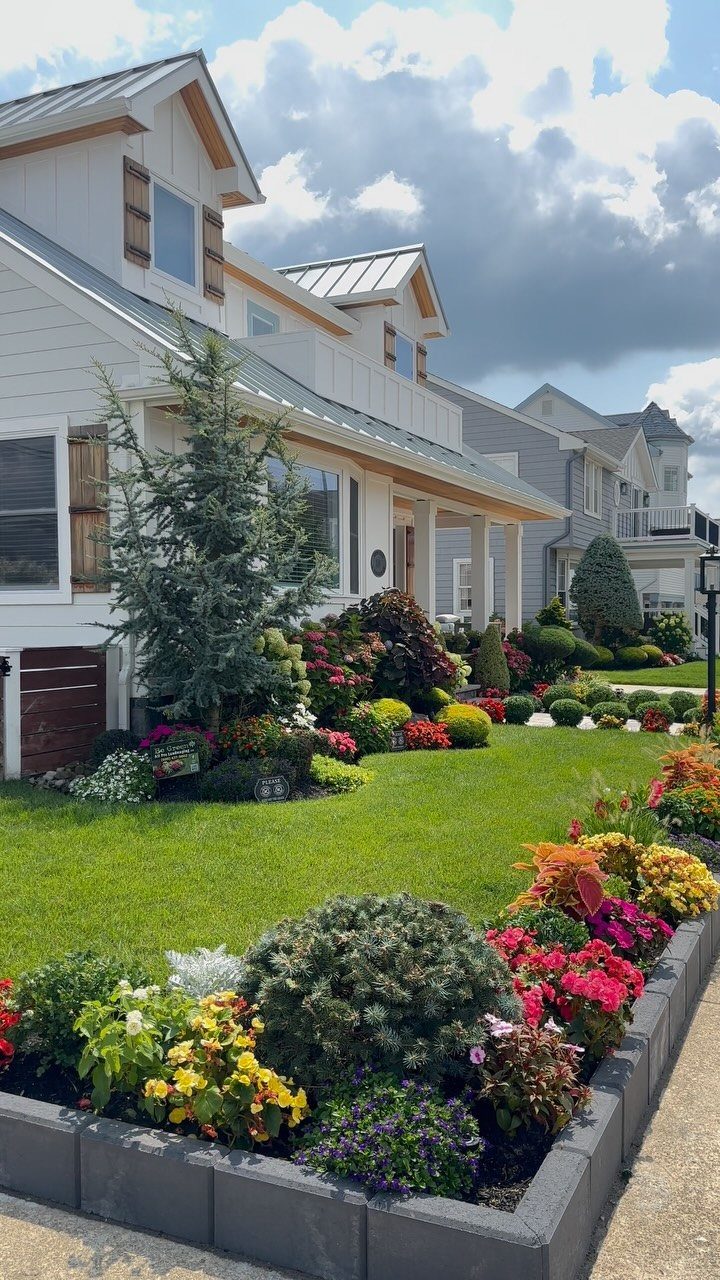
Front yard borders frame what the passerby sees first, so the order matters more than the individual plant.
Stone edging, a lawn, and layered plantings from low annuals up to a small evergreen; that progression from sidewalk to house is the structure to copy.
Edging keeps lawn from invading beds and mulch from spilling onto grass.
Stone lasts decades; metal strips are thinner and less visible but cost more. I would avoid commercial landscaping signs; a clean edge speaks for itself without advertising who installed it.
Annuals give color for one season; shrubs and the small evergreen give shape year-round. The mistake I see most is planting too close to the walk, where growth blocks the path or demands constant cutting back.
A bed deep enough for root growth, set back from pavement, leaves room for plants to fill out without encroaching. Overcrowding reads as neglect; spaced plantings read as intention.

Stylish Living Wall Plant Décor: Vertical gardening is a fundamental technique to maximize space in small areas. This decorative hanging wall planter is perfect for small spaces, balconies, or patios. Essential use both indoors and outdoor.

3 PACK SET: Rectangular wall planters that can be arranged together or separately to create a beautiful, customized vertical garden display. Pick the right size for your plant to prevent unpleasant experience and potential wastage on resources. Flowers and Plants are NOT included.

Planning Small Garden Layout
A small garden works better when you divide it into zones before you buy a single plant. I sketch the space on graph paper, one square per foot, and mark where sun falls at 9 AM, noon, and 4 PM.
That map shows me where to put the sitting area, where tomatoes might ripen, and where moss will grow whether I want it or not.
Layers keep a small space from reading as flat. I place the tallest element, usually a trellis or a small tree, at the back or center, then step down through shrubs to ground cover.
A path between zones needs enough width to walk comfortably; add more if you plan to roll a cart.
The mistake I made on my first balcony was lining every edge with pots, leaving no room to stand among them. Now I leave at least one open square in every zone, and the garden feels larger for it.

15-SECTION NATURAL WOODEN LADDER:Crafted from 15 pieces of durable, natural wood, this wooden ladder plant trellis offers strong and rust-free support for your indoor and outdoor climbing plants. The smooth wood finish promotes healthy vine growth while adding a touch of natural elegance to your space.

Material: Made from Top Quality and Soft Realistic Face-Resistant Polyester. This fabulous artificial ivy have emulated the veins of the leaves that looks quite wonderfully realistic and lifelike. Remain green color throughout the year that helps to add to the realism.
Common Mistakes in Small Garden Design
Overcrowding is the mistake I still catch myself making. A small nursery pot looks lonely in a bed, but that tomato will spread wide by July.
I now space plants at their mature width, even when the bed looks sparse in May. The plants fill in; they always do.
Sunlight is harder to judge than it looks.
Morning shade from a neighbor’s tree becomes afternoon glare in August when the sun angle shifts. I watch a new spot for a full day, marking shade and sun as it shifts, before I commit a plant to it.
The notes on every tag give a range: "full sun" means most of the day, "part shade" means afternoon protection. I ignore those at the cost of leggy growth or scorched leaves.
Grouping by water need matters too. Thirsty basil next to drought-tolerant lavender means one drowns or one dries; I cluster the heavy drinkers where I can soak them together.

High-Quality PE Material with Drainage Hole: Crafted from durable and flexible PE material, these grow bags are built to withstand outdoor conditions without cracking. The bottom drainage hole provides essential airflow to roots and prevent overwatering and root rot, ensuring your plants thrive in a well-aerated environment.
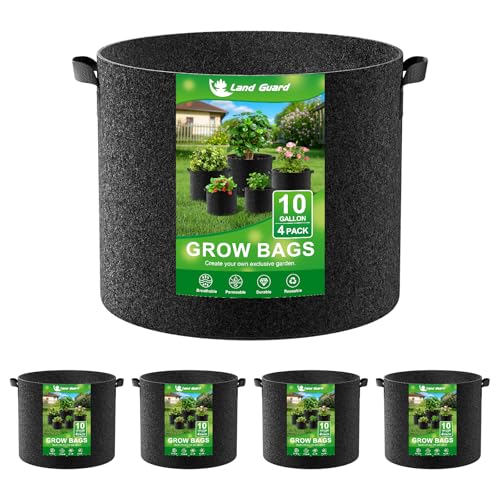
Sturdy Fabric Material: Our Non-Woven fabric grow bags are crafted using high-strength weaving technology, which allows the planting bags to remain lightweight while possessing an impressive ability to bear weight.
Decorating Small Gardens
Garden lighting does not need to be elaborate to work.
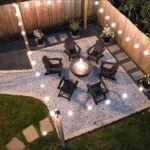
A string of LED bulbs along a railing or a single uplight on a small tree extends usable hours past sunset. I look for warm color temperature, 2700K, which reads as firelight rather than parking lot.
Decorative pots are where I let personality show. A glazed ceramic pot costs more than terracotta but holds moisture longer and cracks less in freeze-thaw cycles.
I use one strong color in repeating shapes rather than mixing many styles; the eye reads that as intention. At night, the same pots catch light differently than foliage does, becoming sculptural.
Scent near seating repays the effort.
Lavender, jasmine, or old roses planted where you actually sit engage a sense that daytime gardening rarely uses. I avoid anything too sweet; it draws wasps in fast once the food is out.

Specially Crafted for Raised Beds: Formulated to provide the ideal growing environment for vegetables, herbs, flowers, planter boxes, and other container gardens.
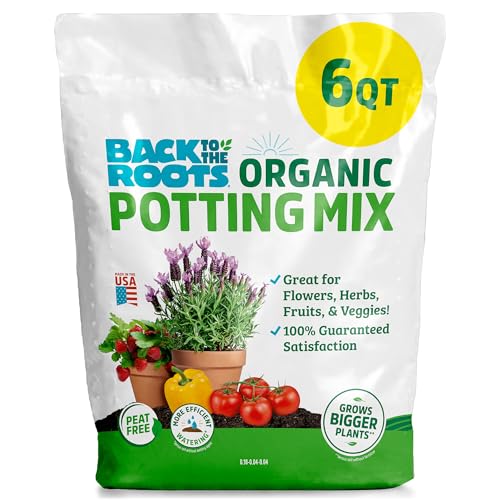
Includes 6qt of Back to the Roots Premium Blend Potting Mix. 100% Organic and Peat-Free, made from upcycled plant matter and wood fines from across the U.S. No imported peat, just better soil with a lighter carbon footprint.

FOR USE: Use when planting or transplanting to improve native soil.
Visualizing Garden Ideas
Technology can save you from a layout that looks right in your head and wrong in the ground.
I upload a photo of the space to a garden visualization tool and test plant placements, path curves, and furniture scale before I dig or buy.
The reflection from a mirror or the shade cast by a new fence reads differently in a rendered model than in imagination.
Sun pattern analysis is the feature I use most.
By mapping light across the yard at different times of day, I catch the spots that look sunny at noon but sit in shadow by 3 PM, exactly when tomatoes need the most light.
Plant arrangement tools let me see mature sizes overlapping, which stops the overcrowding I would otherwise plan in by accident.
The tools are not perfect; colors shift on screen, and no algorithm predicts how fast my soil drains. But they catch the spatial errors that cost the most to fix, and they cost nothing but time to try.


【Indoor Herb Garden】Experience the joy of gardening with our specialized indoor herb planter. This set includes a planter with a tray but does not come with plants and seeds. Designed specifically for herb cultivation, these planters can be used both indoors and outdoors. Crafted from durable metal with a sleek, glossy white finish, they blend functionality with a farmhouse style to enhance your living space.

High Quality: Made of high quality plastic, which is durable, allows you to reuse the planter for several seasons.
Frequently Asked Questions
How to create a beautiful small garden?
Start by dividing the space into zones on paper before you buy anything, then layer plants from tallest at the back to ground cover at the front.
Light-colored pots and warm LED string lights at 2700K make the space feel larger after dark.
What is the ideal layout for a small garden?
The ideal layout splits the space into zones and builds in layers for depth. Paths need real width; a balcony lined edge-to-edge with pots leaves nowhere to stand.
What are the best vegetables to grow in a small garden?
Tomatoes do well in deep vertical boxes or large containers with plenty of soil.
Herbs and leafy greens fill shallower planters. For raised beds, I mix topsoil, compost, and a little coarse sand for drainage, then top-dress with compost each spring.