These builds run from a quick morning project with 6 fence pickets to a framed tunnel that stretches your growing season. The right one depends on whether your back, your knees, or your soil quality is the bigger problem.
[link-whisper-related-posts]1. Waist-high Beds
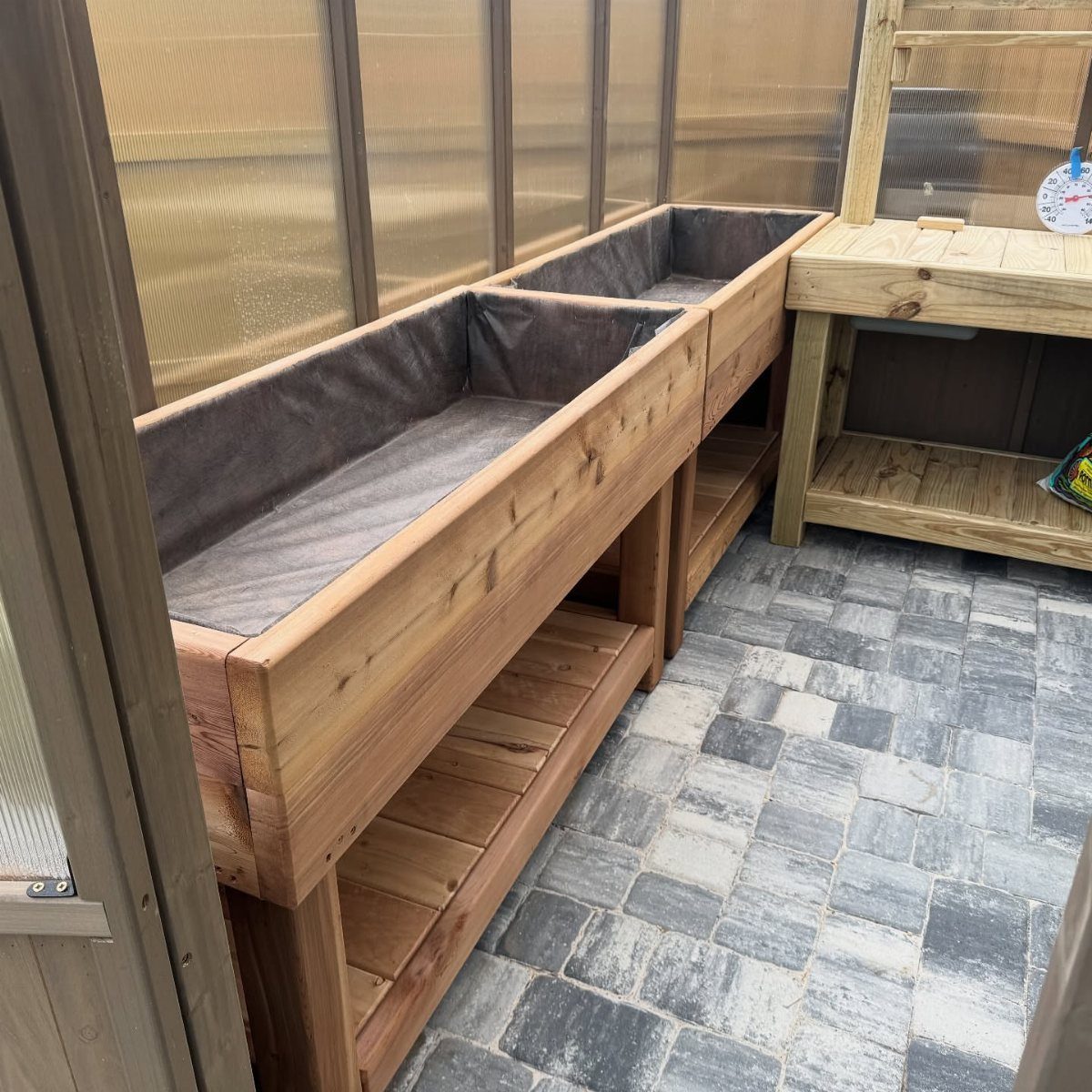
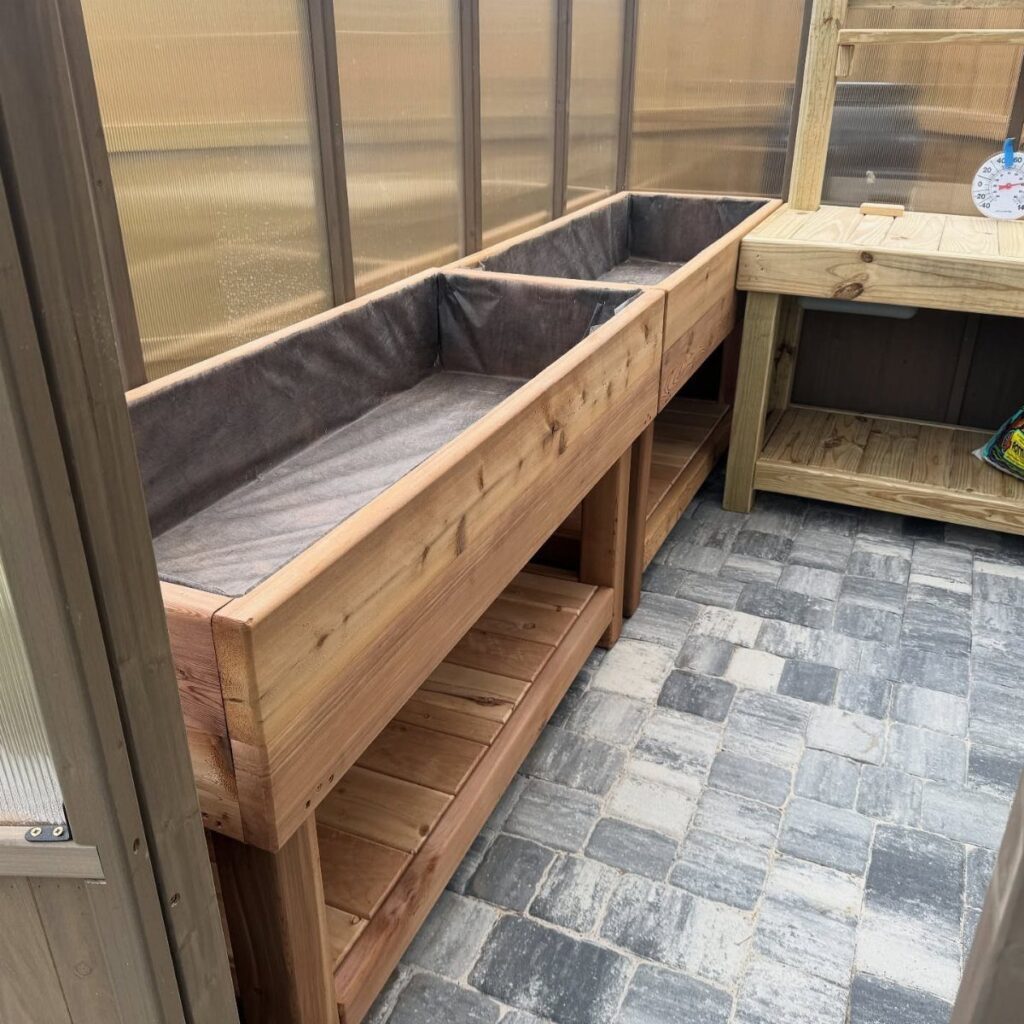
Waist-high beds save your back on planting days and weeding rounds.
Waist-high beds work on any flat surface: a patio, a deck, or compacted gravel. Line the box with landscape fabric to hold soil without trapping water against the wood.
Cedar fence pickets keep the cost down and hold up fine at this height since the load is shallow. Build 2 boxes and you have enough room for tomatoes, peppers, and leafy greens without bending past your hips.

Elevate Your Garden - Opt for a brilliantly engineered raised garden bed to revolutionize your gardening. Its spacious design, measuring 48x24x30 inches, allows for the cultivation of multiple vegetable varieties alongside a plethora of herbs, optimizing your gardening space for ease and diversity.

16.5" deep to accommodate large, deep-rooted plants

Each raised metal garden bed size: 4×2×1ft ,7.14Cu
2. Cedar Raised Garden Bed
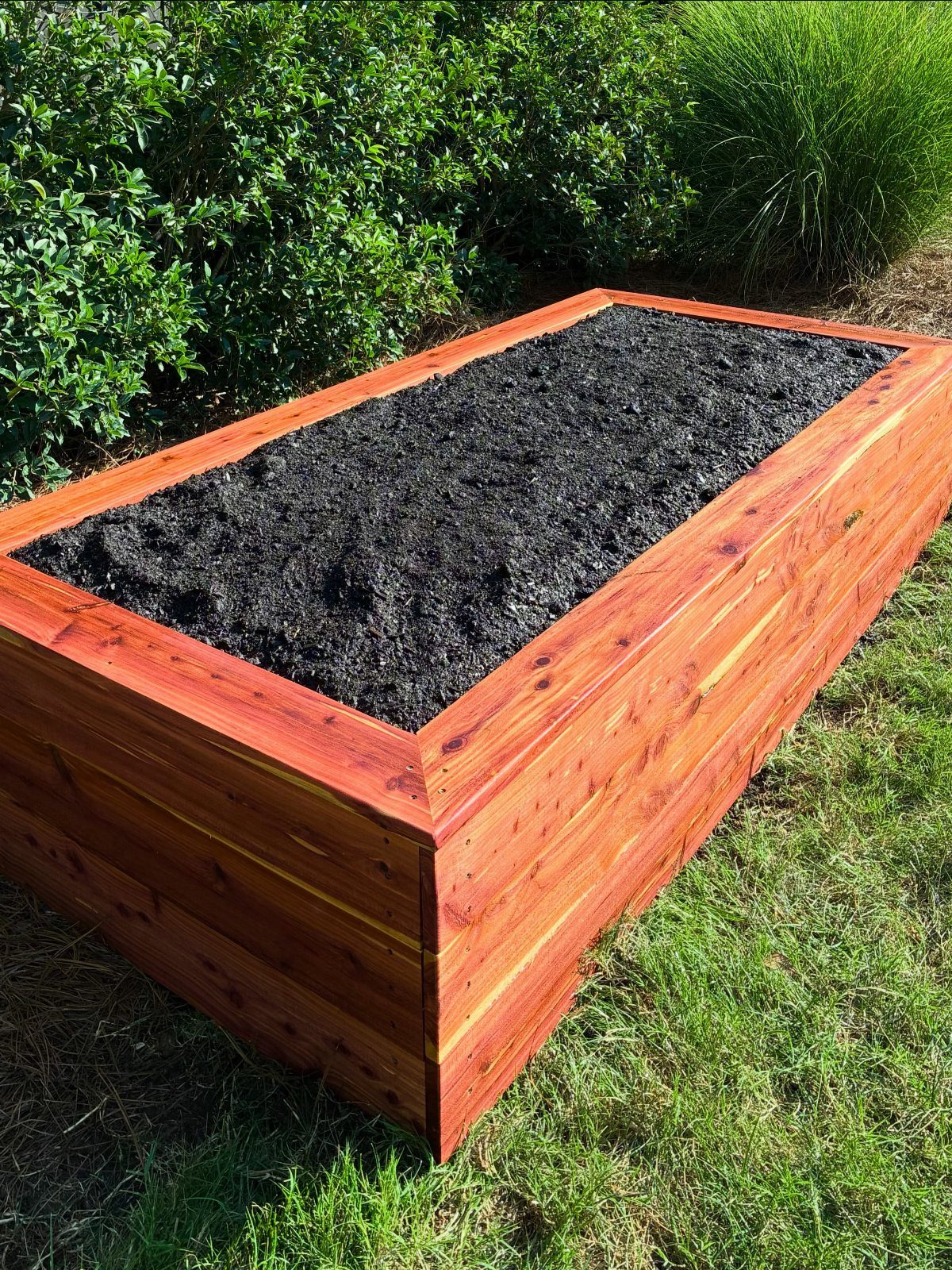
Plain cedar raised beds are the starting point most people picture, and fence pickets make them cheap enough to build in a morning.
Cedar costs more than pine up front, but it rots slower and bugs leave it alone, so the replacement cycle stretches from a few years to a decade or more.
This bed sits right on lawn, no bottom needed; just level the ground and screw the box together. A single 4 x 8 ft box takes about six 6-foot pickets and two hours if your cuts are square.

Breathable Non-Woven Fabric:Made with Non Woven Plant Liners, this Raised Garden Bed Liner offers a breathable solution for drainage and soil retention—ideal for use in Fabric Planter Liner for Outdoor Plants setups
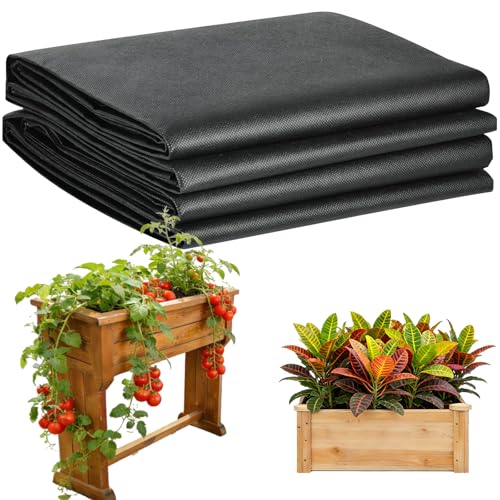
★【Durable Material】The raised garden bed liner made of high-strength non-woven fabric, it is not easy to crack and tear, and can withstand the heavy soil pressure, frequent watering, and humidity fluctuations in winter greenhouses. Heavy duty landscape fabric is suitable for planting in winter greenhouses or enclosed terraces, reducing long-term replacement costs, and is especially suitable for cold resistant crops (spinach, lettuce, etc.) cultivation.

Premium Durable & Functional Non-Woven Fabric: Crafted from heavy-duty, ultra-durable non-woven fabric, this landscape liner provides the perfect balance for your raised garden bed. It is porous enough to allow excess water to drain freely, preventing root rot, yet tough enough to effectively contain soil and prevent erosion. This breathable barrier also blocks weeds from growing up into your precious soil.
3. Caps to the Top of Beds
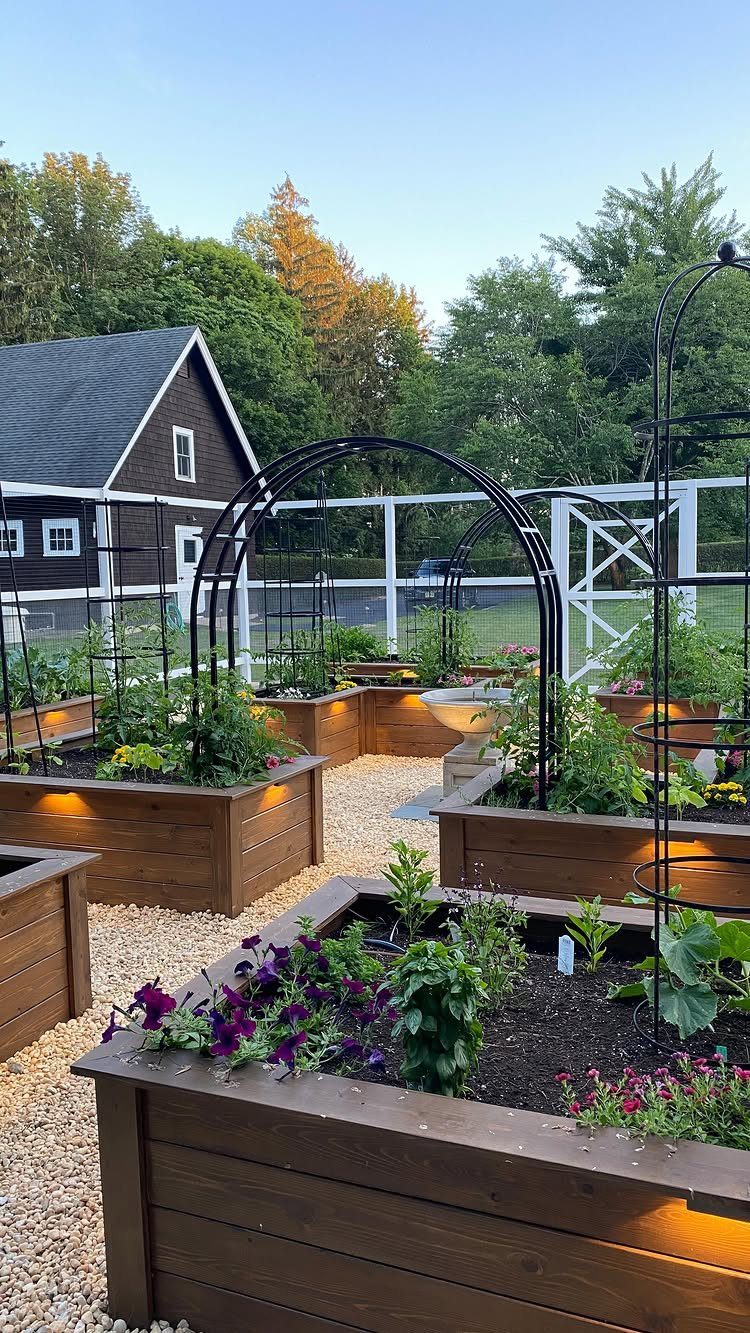
A cap board across the top edge turns a raw box into something you can sit on while you thin seedlings or rest between tasks.
Flat caps wide enough for a knee or a coffee cup work best, with low lights tucked underneath for evening watering.
Miter the corners and nail through the cap into the corner posts and any mid-span supports; skip damaged pickets here, since a cracked cap wobbles under weight.
Trim below the cap is optional, but the sitting surface pays for itself in comfort.

AMPLE PLANTING SPACE: Designed with a long bed space (2.65 CuFT) deep enough to provide your plants and vegetables with ample room to breathe and grow healthy; perfectly sized for kids and other fledgling gardeners!

COMFORTABLE ELEVATED DESIGN: The 30" raised height reduces bending and kneeling, making planting, weeding, and harvesting easier on your back and knees
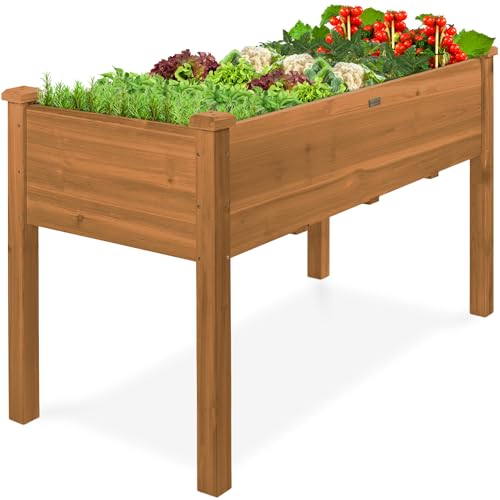
LARGE PLANTING SPACE: Designed with a long bed space (5CuFt) deep enough to provide your plants and vegetables with ample room to breathe and grow healthy
4. Cedar Frame with Metal Sides
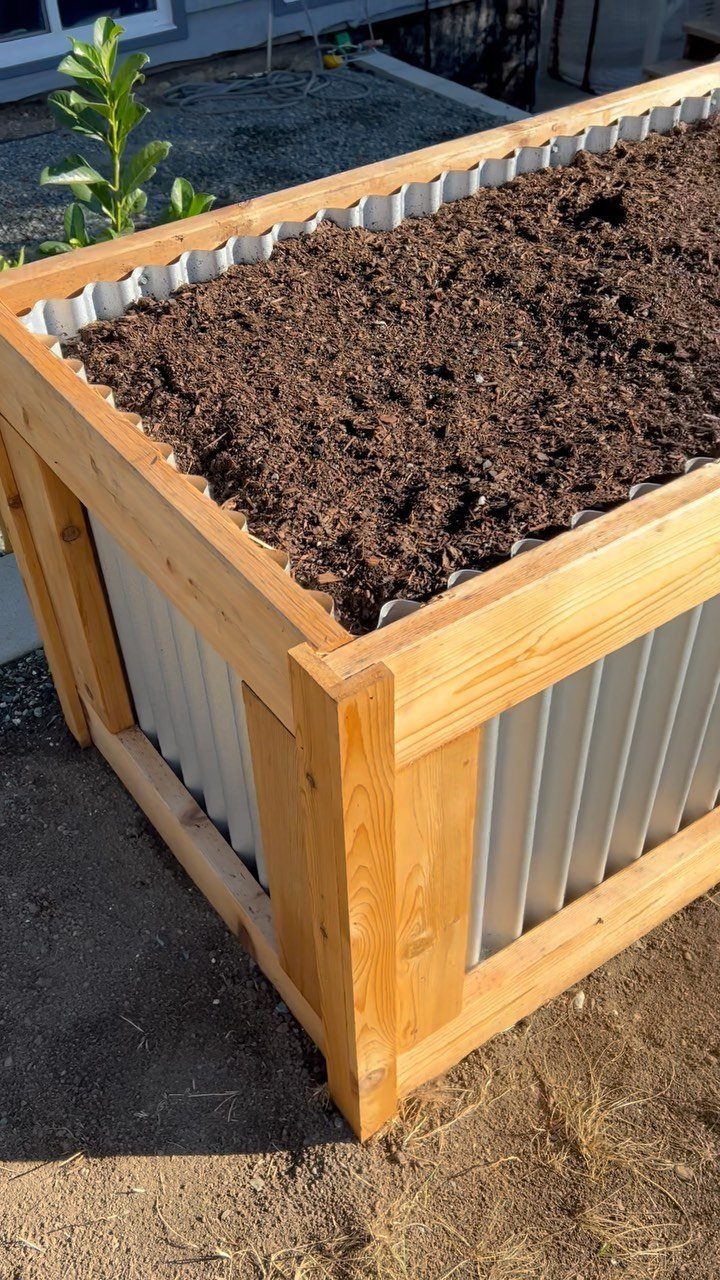
Corrugated metal sides with a cedar frame give you depth without the bulk of solid wood planks.
The frame handles the structure and the look; the metal sheds soil moisture that would swell and check thicker boards. Use cedar fence pickets for the top and bottom rails, then screw the metal panels to the inside.
Light wood against silver ridges is one look, but the same build works with darker stain or painted metal if that fits your yard. One person can lift the empty frame, but add soil after it is in place.

4X2X1FT GROWING SPACE: This oval raised garden bed measures 4 x 2 x 1 ft, providing 7+ cu. ft. of organized growing space for vegetables, herbs, flowers, strawberries and selected root crops. Its compact footprint fits naturally into backyards, lawns and small outdoor gardens while keeping plants easy to reach and maintain.

【Spacious and Versatile Design】: The CATMANOR raised garden beds outdoor provide ample growing space for a variety of vegetables, herbs, and flowers. The raised bed design maximizes planting capacity, making it an ideal solution for gardening enthusiasts who want to grow medium to deep-rooted plants such as broccoli, beans, and more.

【Spacious and Versatile Design】The CATMANOR raised garden beds outdoor provide ample growing space for a variety of vegetables, herbs, and flowers. The raised bed design maximizes planting capacity, making it an ideal solution for gardening enthusiasts who want to grow medium to deep-rooted plants such as broccoli, beans, and more.
5. Plastic-lined Cedar Bed
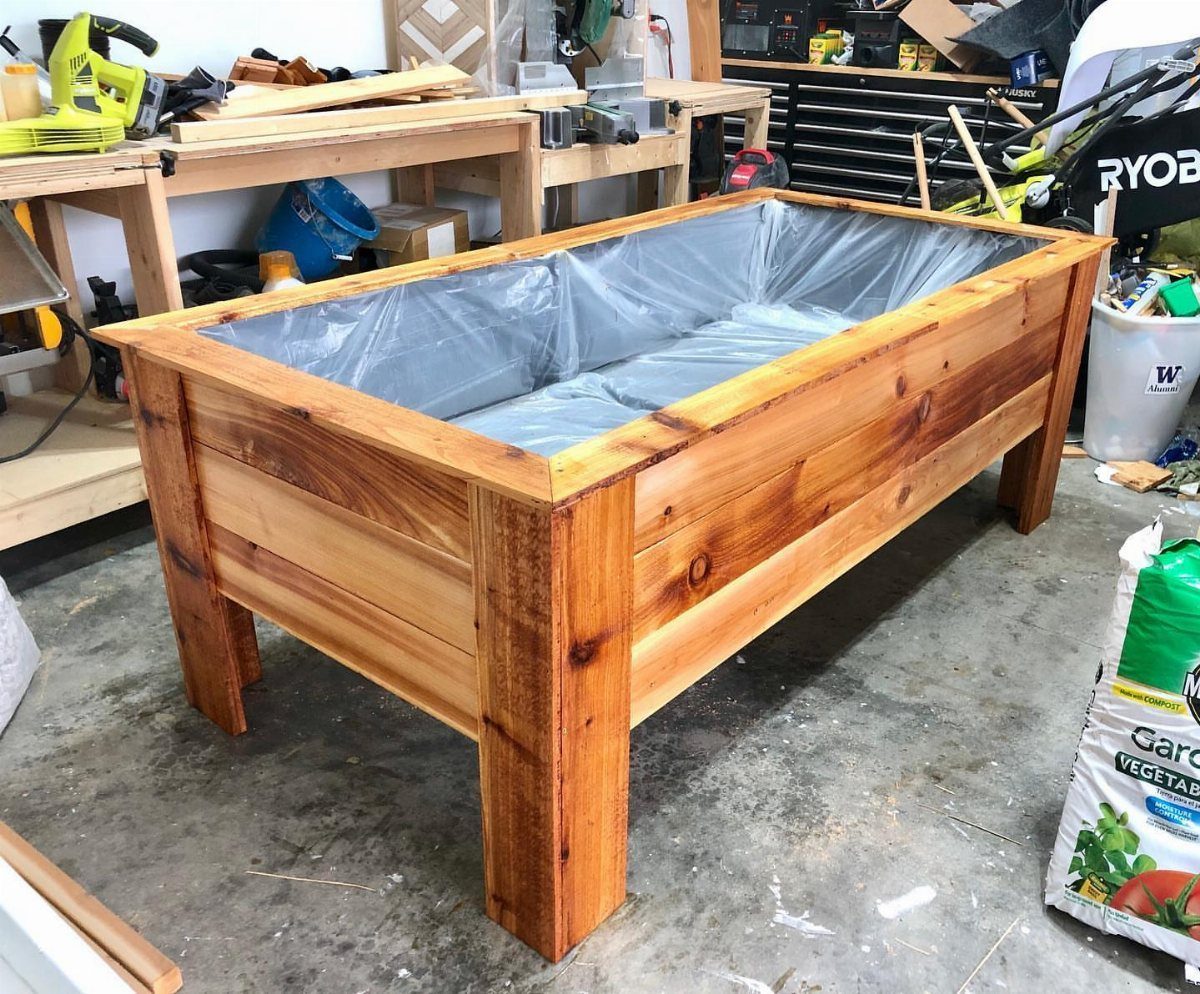
Plastic lining buys extra years even from rot-resistant cedar by keeping wet soil from touching the wood directly.
Staple clear sheeting to the inside faces and corner posts before you attach the outer boards; trying to line a finished box means wrestling corners you cannot reach.
Adding the liner during assembly in a garage is the right sequence. Landscape fabric works too, but plastic holds water longer against the wood.
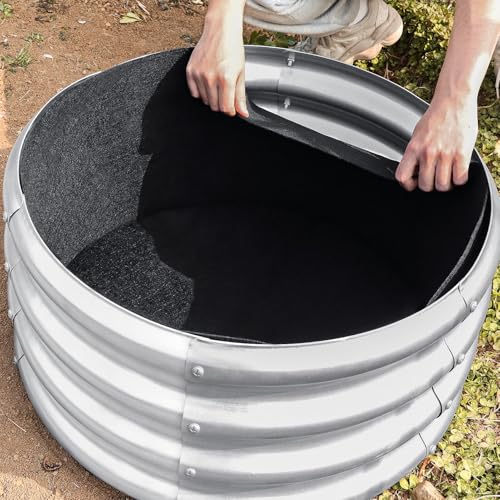
Metal Planting Bed Liner: This is a fabric planting bag specially designed for metal raised planting beds, it can effectively protect your metal planting beds, and can be directly used as a plant growing bag alone

Raised Garden Bed - Add a new level of convenience to your gardening experience with the Galvanized Raised Garden Bed. Enjoy expanded yield and a more assembled garden layout with this garden accessory, each sized at 120 cm X 60 cm x 30 cm.

Each circle raised garden bed is made of 0.6 mm thick galvanized steel for enhanced rigidity and long-term outdoor use. The corrugated metal panels help resist bending and maintain a stable round shape after the planter is filled with soil.
6. Bed with Attached Trellis Back
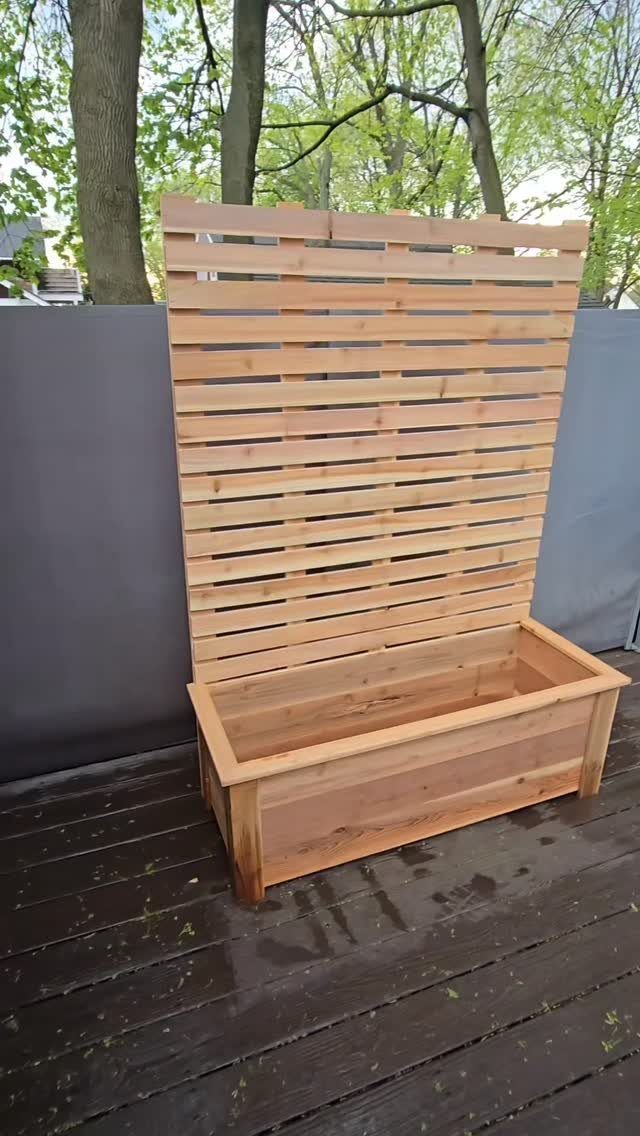
A trellis fixed to the back of the box gives tomatoes, beans, or cucumbers something to climb without staking each plant separately.
A tall slatted back in light cedar looks clean when empty, waiting for spring planting; 2 x 2 boards and chicken wire work the same way for less lumber.
Build the trellis as tall as you can still reach, since the top foot will fill fast once vines take hold.
Placed on a deck, a solid bottom keeps soil off the boards; set it on open ground and you can leave the floor out so roots reach down.

SPACIOUS GROWING SPACE WITH EXTRA PLANTING DEPTH:Measuring 91.5" L × 47.3" W × 22.06" H, this galvanized raised garden bed holds approximately 412 gallons of soil, providing generous planting space and extra depth for vegetables, herbs, flowers and fruits. The spacious design allows roots to grow naturally while supporting tomatoes, peppers, cucumbers, broccoli, beans, lettuce, carrots, potatoes and other popular garden plants. Ideal for backyard gardening, raised vegetable gardens and outdoor planter box projects.

DIMENSIONS: 48 in. W x 48 in. D x 29. 12.6 in. H

Size: The garden bed measure is 46"L x 23.6"W x 17"H. The planter box provides ample space for planting vegetables, fruits, flowers and other plants.
7. Elevated Cedar Bed on Legs
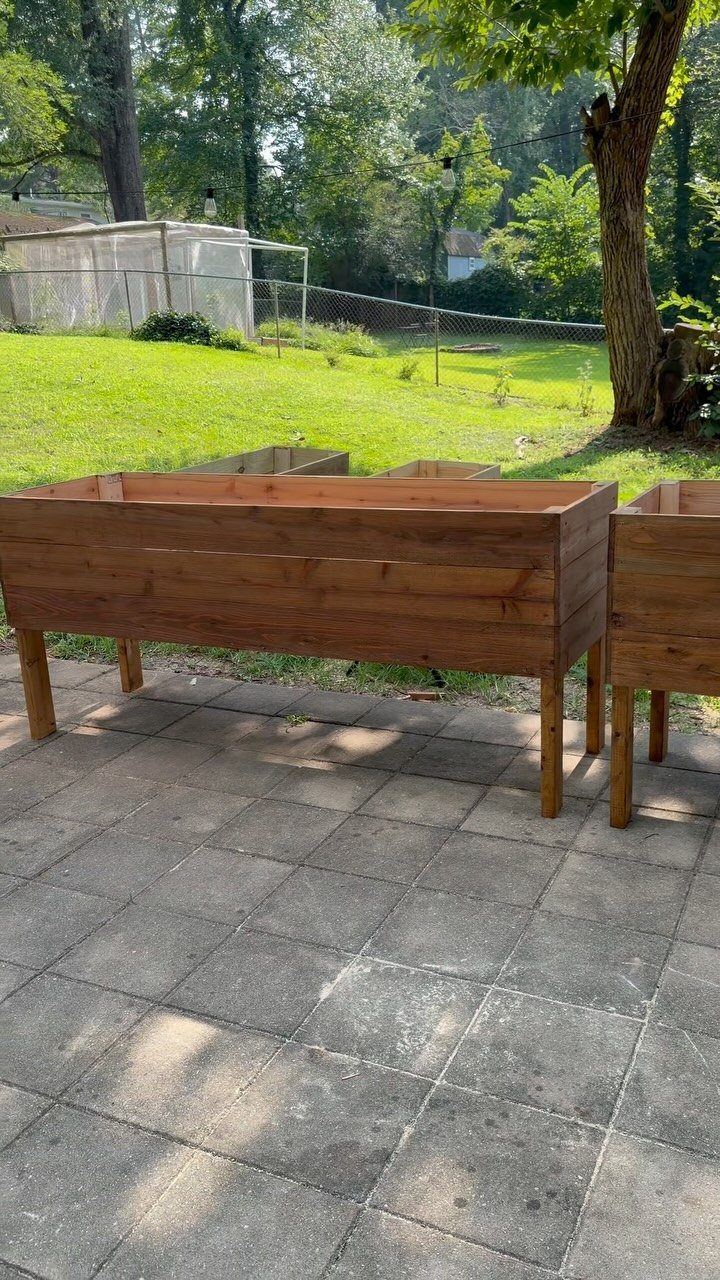
Legs lift the box to a height where you can tend plants without kneeling, and nothing crawls up from below.
A slatted cedar bottom with landscape fabric underneath keeps soil in and lets water out; skip solid plywood or water pools and rots the wood from beneath.
Irrigation is the catch with legs: drip lines and soaker hoses do not hang well in mid-air, so hand-watering or a can becomes your routine.
Build the legs stout; a cubic yard of wet soil weighs over a ton, and wobble shows fast on a patio. This shape suits renters who want a garden that moves with them.

Durable Material: planter liner mades of super strong and durable nonwoven fabric, this landscape cloth is the perfect liner for large vegetable trough outdoor large elevated beds. The liner is porous enough to allow excess water to drain and tough enough to prevent soil from escaping
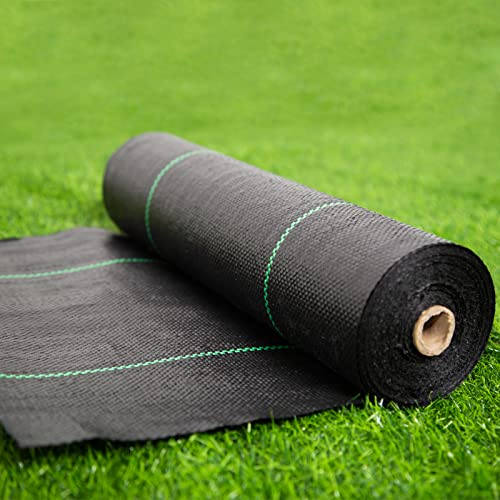
【Premium Weed Barrier Fabric】 Made of thick polypropylene woven fabric, this heavy duty weed barrier fabric is durable and helps keep your garden and flower beds free of weeds for long-term use.
【Premium Weed Barrier Fabric】 Made of thick polypropylene woven fabric, this heavy duty weed barrier fabric is durable and helps keep your garden and flower beds free of weeds for long-term use.
8. Bed with Arched Hoop Cover
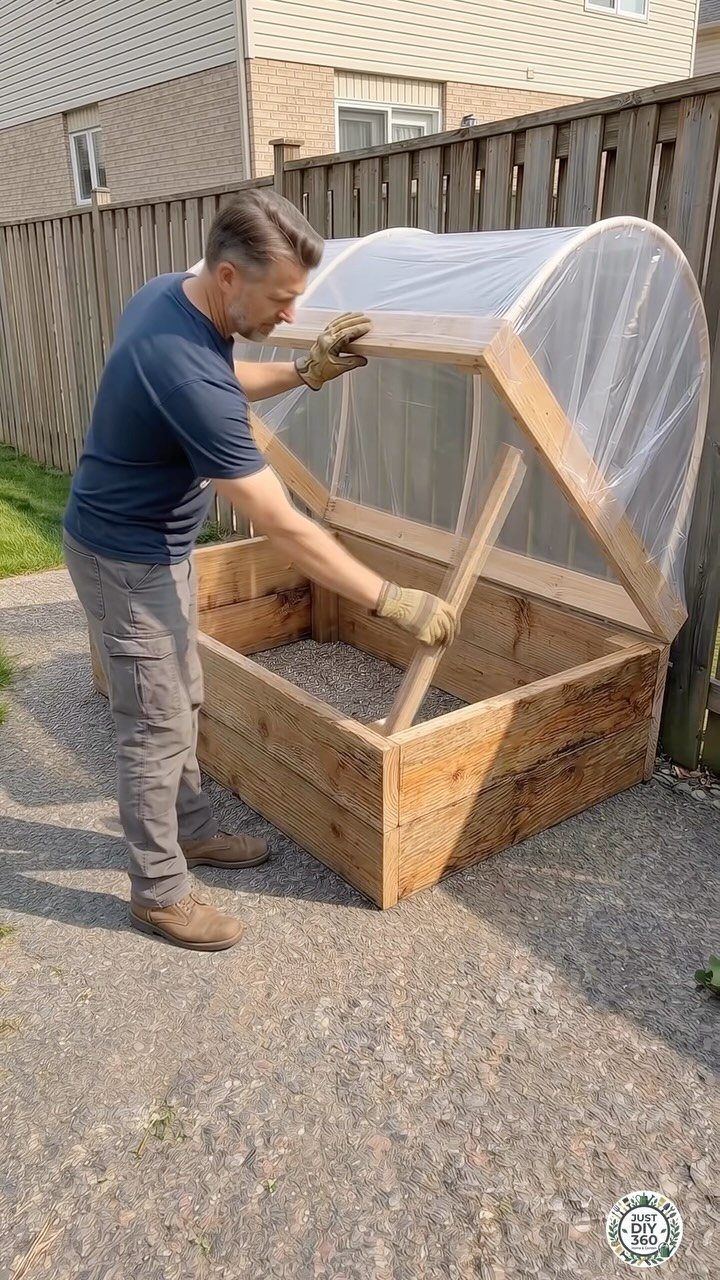
Arched PVC or conduit hoops over the box turn a summer bed into a three-season tunnel when you clip clear plastic across them.
The hinge at the back, propped open with a stick on mild days, lets you vent heat before it cooks seedlings; close it in the evening to hold warmth overnight.
Build the hoops tall enough to walk a tomato cage inside, or you are crouching by June.
The frame itself is ordinary cedar box construction; the cover is what changes the calendar. In heavy snow country, the plastic needs removing before load collapses the arches.

AMPLE PLANTING SPACE: Designed with a long bed space (2.65 CuFT) deep enough to provide your plants and vegetables with ample room to breathe and grow healthy; perfectly sized for kids and other fledgling gardeners!

Ergonomic Height: Standing at 30 inches tall, it reduces strain from bending and kneeling, promoting more comfortable gardening.

ERGONOMIC GARDENING MADE EASY: Standing raised garden bed with user-friendly height reduces bending and kneeling, helping relieve back strain while making gardening more comfortable and accessible
9. Basic Cedar Lawn Beds
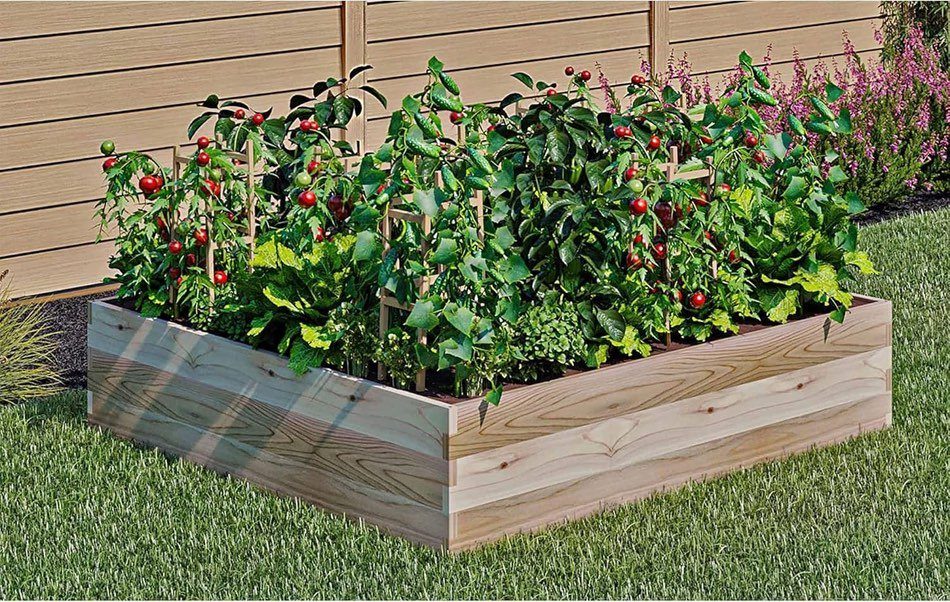
A single box on lawn, built from cedar fence pickets and filled with good soil, is where most gardens start and plenty stay. No legs, no liner, no trellis; just level the ground, screw boards at the corners, and plant.
Cedar fence pickets run cheap at big-box stores, so a standard box costs little in lumber. The 11-1/4 inch depth the standard picket gives handles tomatoes, peppers, and greens fine; roots reach native soil below when they need more.
Move it every few years if the grass beneath dies, or let the spot become your permanent plot.

【Spacious and Versatile Design】: The CATMANOR raised garden beds outdoor provide ample growing space for a variety of vegetables, herbs, and flowers. The raised bed design maximizes planting capacity, making it an ideal solution for gardening enthusiasts who want to grow medium to deep-rooted plants such as broccoli, beans, and more.
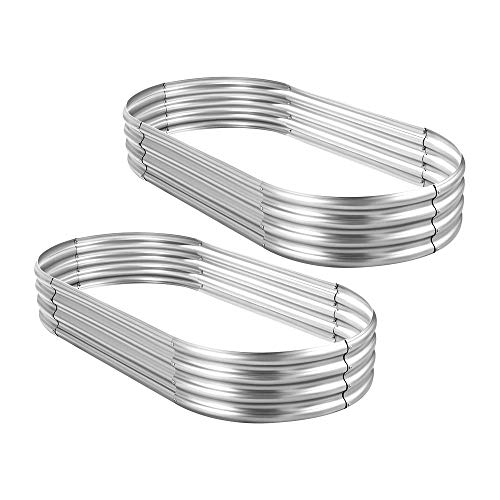
Each raised metal garden bed size: 4×2×1ft , 7Cu
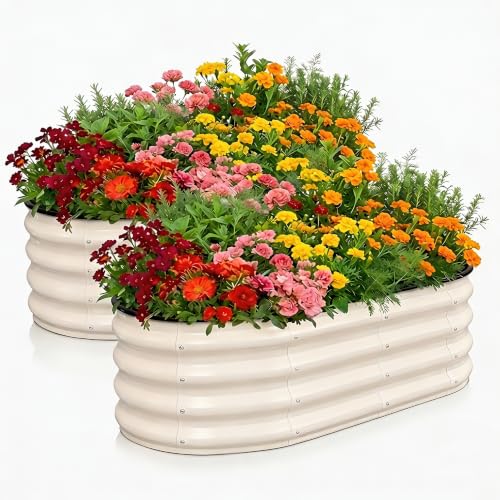
【Raised Garden Beds Outdoor】: GRASQUILINE’s galvanized raised garden bed features enhanced rust and corrosion resistance, ensuring years of durable use even in harsh outdoor environments and humid climates — so you never have to worry about premature wear.
Cedar vs Treated Wood
Cedar wins over treated lumber for garden beds because of what it does not carry. The natural oils that make cedar rot-resistant and bug-resistant are already in the wood; no factory treatment is needed.
Treated lumber gets its longevity from chemicals that leach into soil, and that soil feeds plants you will eat. Fence pickets keep the cost closer to treated boards while keeping those chemicals out of your yard.
The trade is upfront price against replacement cycle. Treated boards might last too, but you are buying peace of mind separately.

ULTIMATE PRACTICALITY: The planter box measures 96"(L) x 24"(W) x 12"(H), has a huge capacity, any plants and flowers you want to grow can be planted, happiness is overflowing.

DIMENSIONS: 48 in. W x 48 in. D x 12.6 in. H

SOIL WILL NOT BE WASHED AWAY: Fabric garden bed is deep enough for suitable root growth. Grow bags provides additional protection for your garden bed, preventing soil from being washed away and avoiding the surrounding environment to become dirty and messy.
Tools Needed
A drill and a saw do the heavy lifting.
A circular saw handles the pickets and any 2 x 4 framing; a miter saw saves time if you are cutting trim or caps with angles to match. Exterior wood screws 2 inches long bite deep enough for fence-picket builds without splitting.
A measuring tape and a square keep the box true, which matters more than it looks: a frame that racks during assembly fights you at every later step.
A pocket hole jig shows up in some plans for hidden joints and cleaner faces.
It is optional for a basic box, but it pays back on anything you will sit on or look at close. Caulk and a driver fill out the kit for builds with trim boards.
Maintenance Tips
Check corner joints each spring before planting; the soil load that settles over winter works screws loose, and a wobbly box only gets worse once it is full and wet.
Tighten anything that has backed out, and replace a stripped screw with a longer one or a fresh hole rather than trusting the old bite.
Caps and sitting edges take the most wear from weight and weather. A cracked cap spreads load wrong and catches water; swap it before the split runs deep enough to reach the box below.
Lined beds need the liner inspected where it folds at corners, since that is where it abrades first. Plastic that has torn lets soil touch wood, which undoes the point.
Move or rebuild before the frame rots through.
Cedar gives years of warning, softening and darkening before it fails. That leeway is the value you paid for.
Frequently Asked Questions
Does cedar make good raised garden beds?
Cedar is one of the better woods for raised beds because its natural oils resist rot and bugs without factory treatment.
Fence pickets are cheap, and cedar comes without the pressure-treatment chemicals that leach into vegetables. Cedar grays and softens for years before it actually gives out, so you get plenty of warning.
Is it cheaper to build a raised bed or buy one?
Building your own is usually cheaper, especially if you use cedar fence pickets from a big-box store instead of premium lumber.
Twelve 6-foot pickets and a Saturday morning is what a 4 x 8 ft box actually costs in time and material. Pre-made beds charge for assembly and shipping that you trade for your own Saturday morning.
What vegetables should not be grown in a raised bed?
Deep-rooted vegetables like carrots and potatoes struggle in shallow beds; the standard 11-1/4 inch depth from a cedar fence picket handles tomatoes, peppers, and leafy greens fine, but not crops that need 12 inches or more of loose soil.
Tomatoes, peppers, and the usual suspects send roots deep enough to hit the ground beneath when they need it. If you want carrots or potatoes, build deeper or stick to in-ground rows.