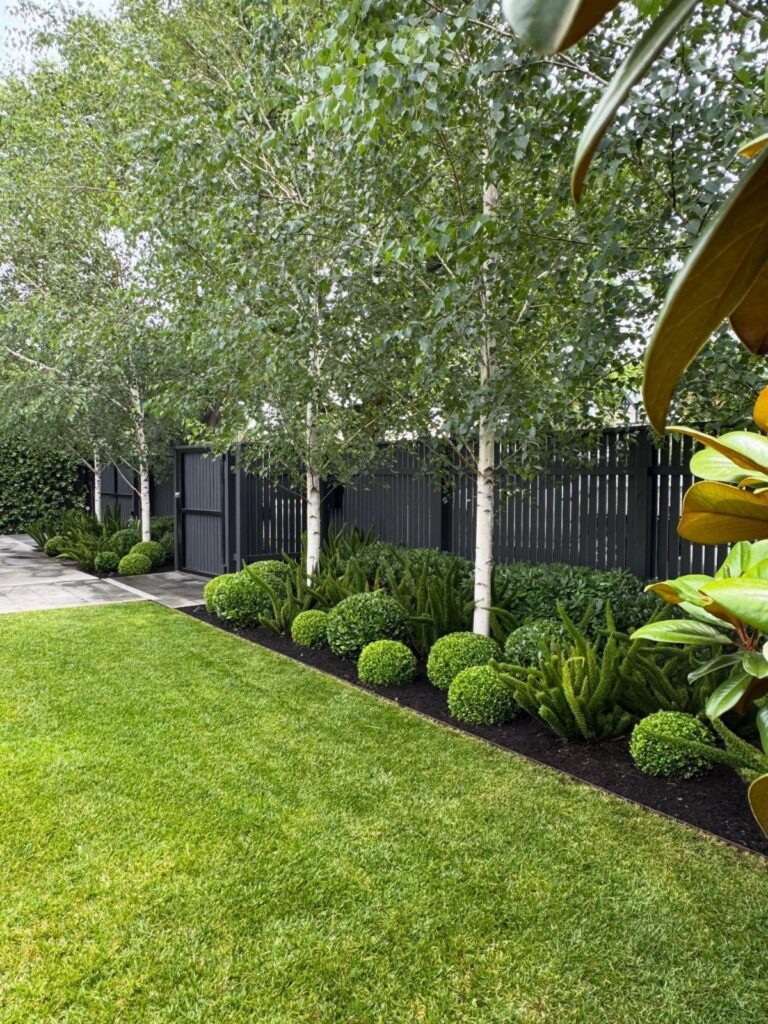
These deck landscaping ideas run from a solar light strip to multi-level builds that need their own footings, and the right one depends on whether your deck is new construction or a structure you are already standing on.
A stone basin with a recirculating pump hides its plumbing entirely, while a pergola bolted to decking boards instead of the frame below will flex loose by next spring.
[link-whisper-related-posts]1. Use Lighting for Ambiance
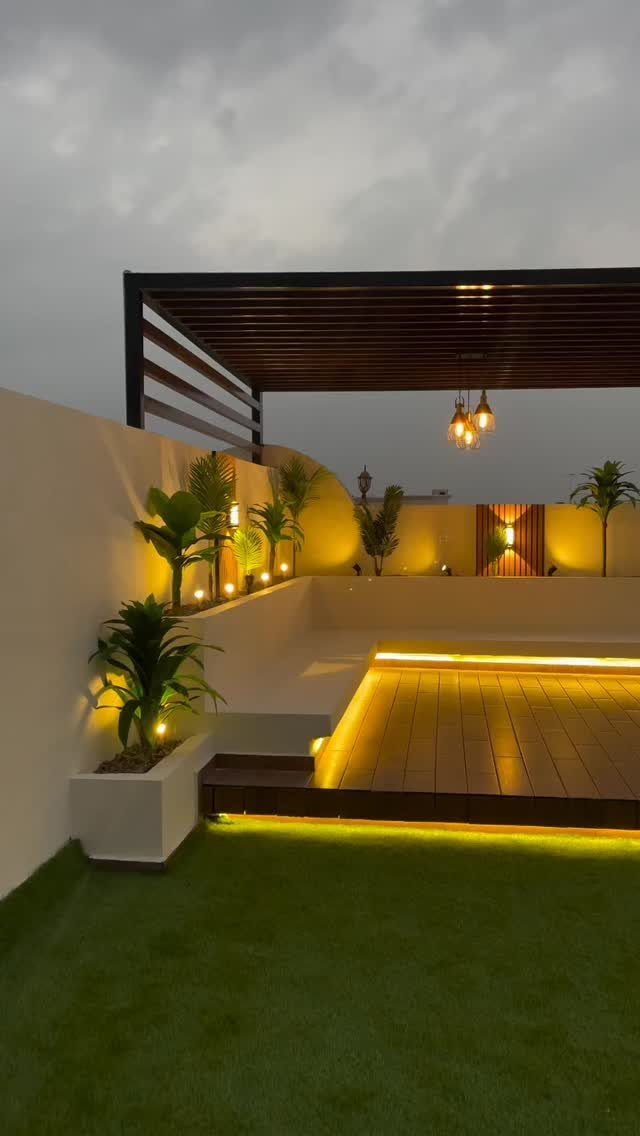
A deck after dark is just lumber unless the light gives it somewhere to go.
LED strips tucked under railings or stair treads turn edges into paths your feet can read, and a pendant or 2 overhead keeps conversation from feeling like an interrogation.
Solar fixtures work where wiring would mean trenching; battery-powered ones suit renters who patch holes later. I like warm white over color-changing for a space that still feels like a yard.
Layering matters: enough light to move safely, not so much that moths become the main event. Start with what you already have worth seeing, then add light to see it by.

Non-Glaring Warm White Light: Not super bright, but it provides enough illumination to see decks, steps, fences, pathways, etc. Whether used as ambient light or accent light, it is an excellent choice. In addition, its simple lines and unobtrusive design can better blend into your garden.

【Plug & Play Deck Lights Kit】Complete kit includes 16 deck stair lights and DC12V power supply. Simply drill, drop, connect, and plug in—four steps, 20 minutes, no electrician needed. Install on deck stairs, floors, eaves, or garden paths with zero extra wiring.
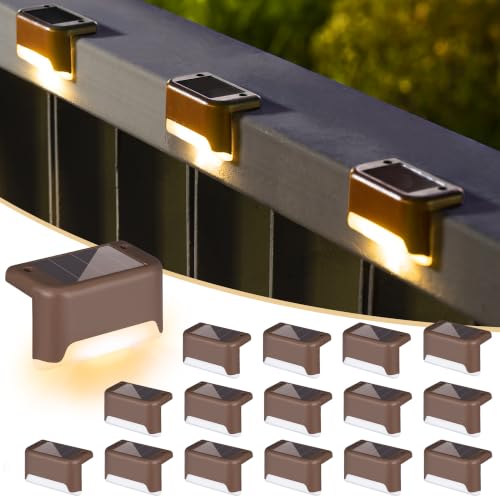
【Warm Light without Dazzling】This deck light features a 𝐁𝐫𝐨𝐰𝐧 𝐬𝐡𝐞𝐥𝐥 and warm white LED, decorate and illuminate your fence, deck, stairs, patio, balcony, yard, or garden. It ensures safer nighttime navigation for the whole family when going downstairs
2. Trees and Tall Shrubs
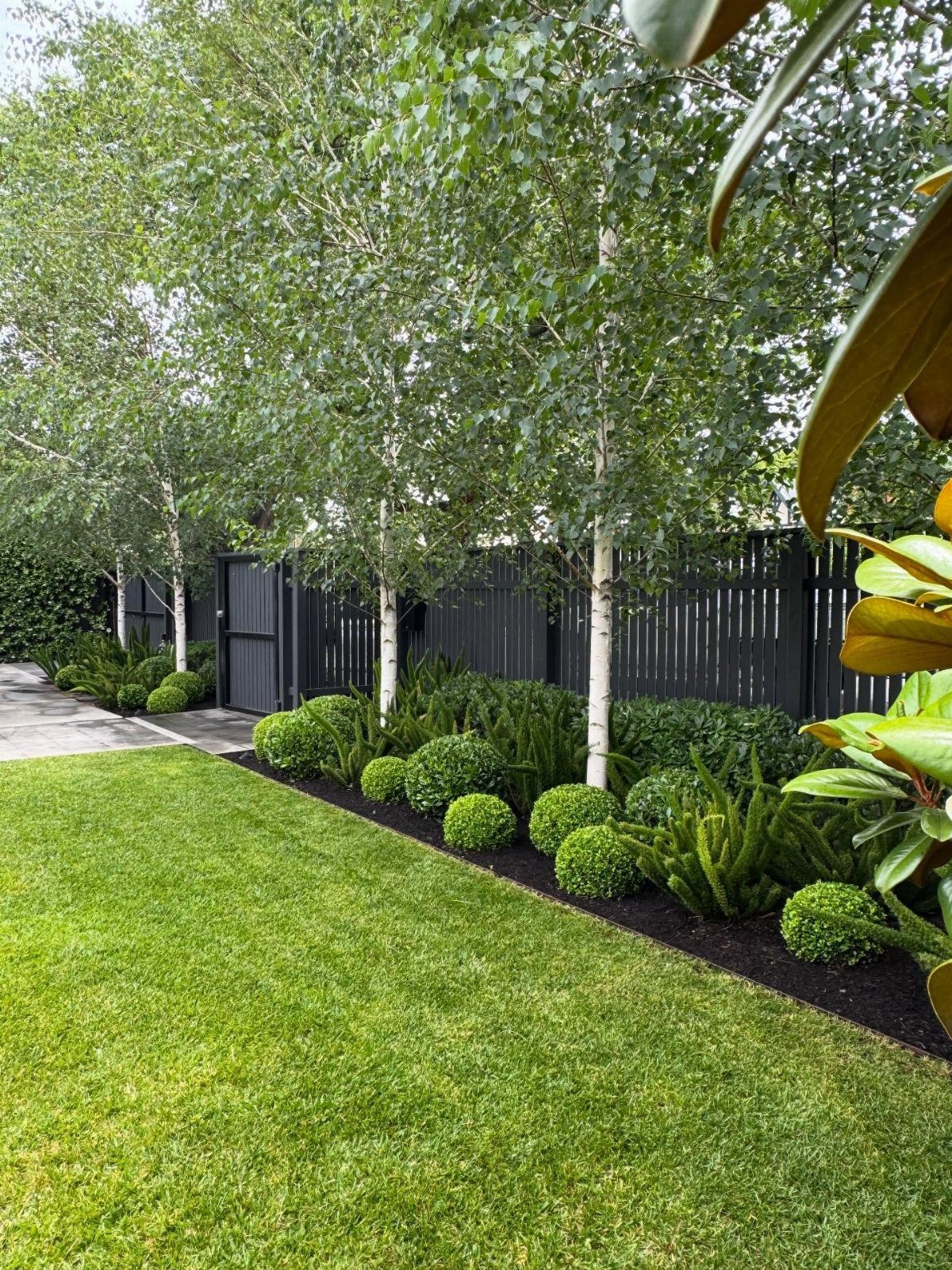
Vertical planting buys you back the sky your deck eats up.
Fast-growing evergreens like cryptomeria cool a west-facing deck by late afternoon and block the wind that turns a paper plate into a frisbee; deciduous trees such as European hornbeam give summer shade and winter sun, plus something to watch through a kitchen window.
For ground-level decks, tall shrubs fill the gap where joists meet dirt without the crawlspace on display.
Bamboo and arborvitae work as living screens, though check your local invasives list first. I layer shorter perennials at the base so the transition does not read like a green wall with a haircut.

【WARM LED LIGHT】Warm white deck light, just the right amount of warm glow which is safer for the whole family to go downstairs at night

Function and Pacticality:JOFIOS solar step lights Illuminate your every step, providing visibility to every inch of your staircase, allowing you to see clearly at night and navigate safely. Our step lights enhance the overall aesthetics of your steps and yard. Compared to regular outdoor step lights, upgrading to our premium solar-powered stair lights combines both appearance and functionality,Adding light to the night.

【Solar Powered & Auto On/Off】Using sunlight as energy, it takes only 4-5 hours to be fully charged on sunny days. With sensor and automated switch, this deck light can turn on automatically at dusk and turn off at dawn.
3. Incorporate Water Features
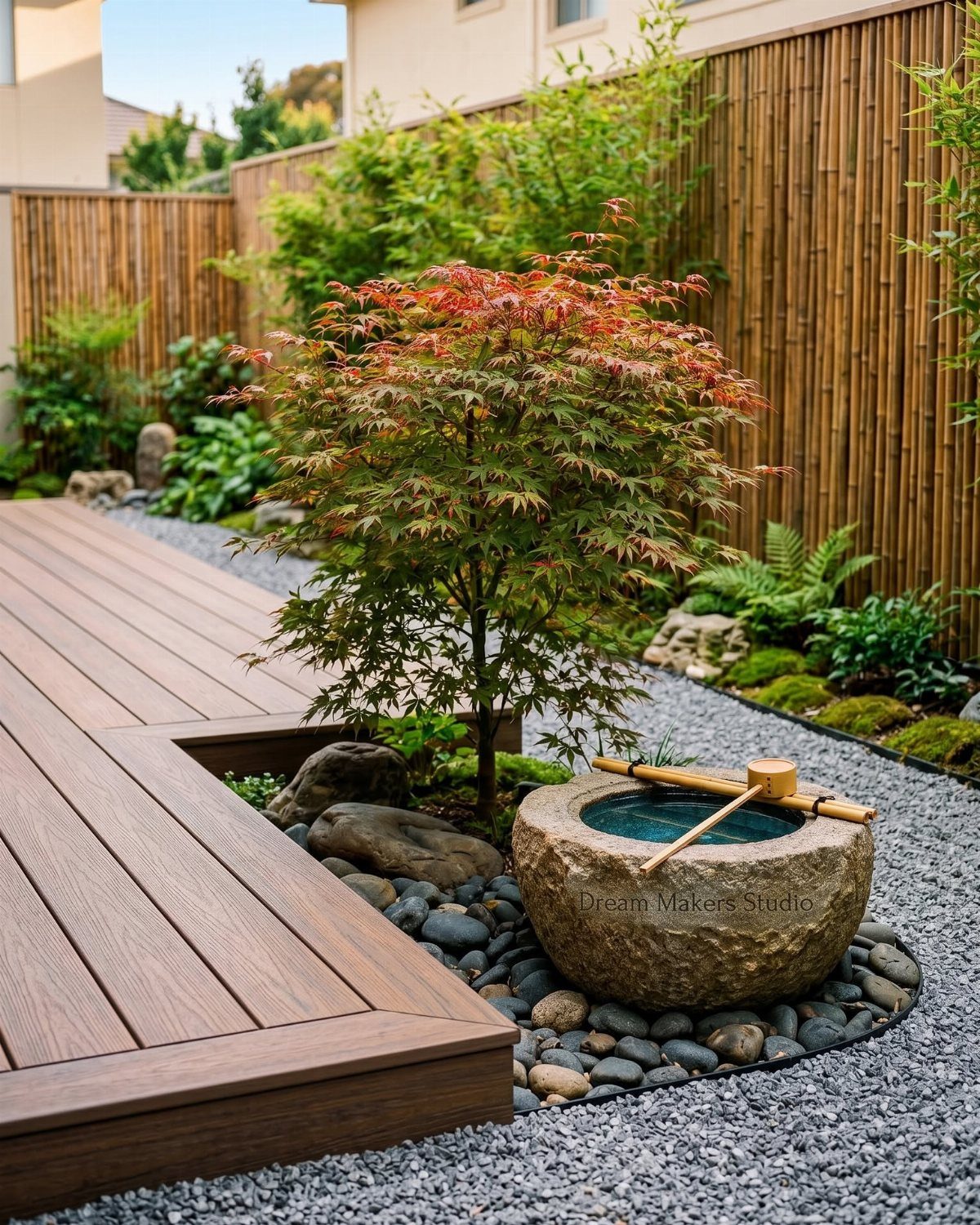
Running water covers the noise your neighbor’s leaf blower starts right as you sit down.
A stone basin with a bamboo spout needs no plumbing beyond a recirculating pump you plug in and hide; gravel underneath handles splash and weeds both.
On multi-level decks, a small waterfall from upper to lower tier uses the height you already built. I would add a light for after sunset, since water you cannot see still sounds fine but misses half the point.
Scale matters: a fountain too small disappears, too large and your deck becomes its pedestal. Check weight loads before anything built-in.

American Arborvitae Seeds for Planting: Grow beautiful native evergreen trees with dense emerald-green foliage that naturally forms outstanding privacy screens, windbreaks, living fences, property borders, and landscape accents. An excellent choice for backyard privacy, foundation plantings, wildlife habitats, and year-round evergreen beauty that enhances any landscape.

🌿 [INFO1] - Fast Growing Privacy Hedge. The Full Speed a Hedge, American Pillar Arborvitae is finally a truly fast growing arborvitae. Imagine easily planting a 1 to 2 foot tall plant and after the first year planted, it begins growing at least 3 feet each year! According to its grower and developer, this variety of the Thuja occidentalis does just that. Space at 2.5 to 3 feet apart for a hedge in just 2 to 3 years.
🌿 [INFO1] - Fast Growing Privacy Hedge. The Full Speed a Hedge, American Pillar Arborvitae is finally a truly fast growing arborvitae. Imagine easily planting a 1 to 2 foot tall plant and after the first year planted, it begins growing at least 3 feet each year! According to its grower and developer, this variety of the Thuja occidentalis does just that. Space at 2.5 to 3 feet apart for a hedge in just 2 to 3 years.
4. Built-In Planters
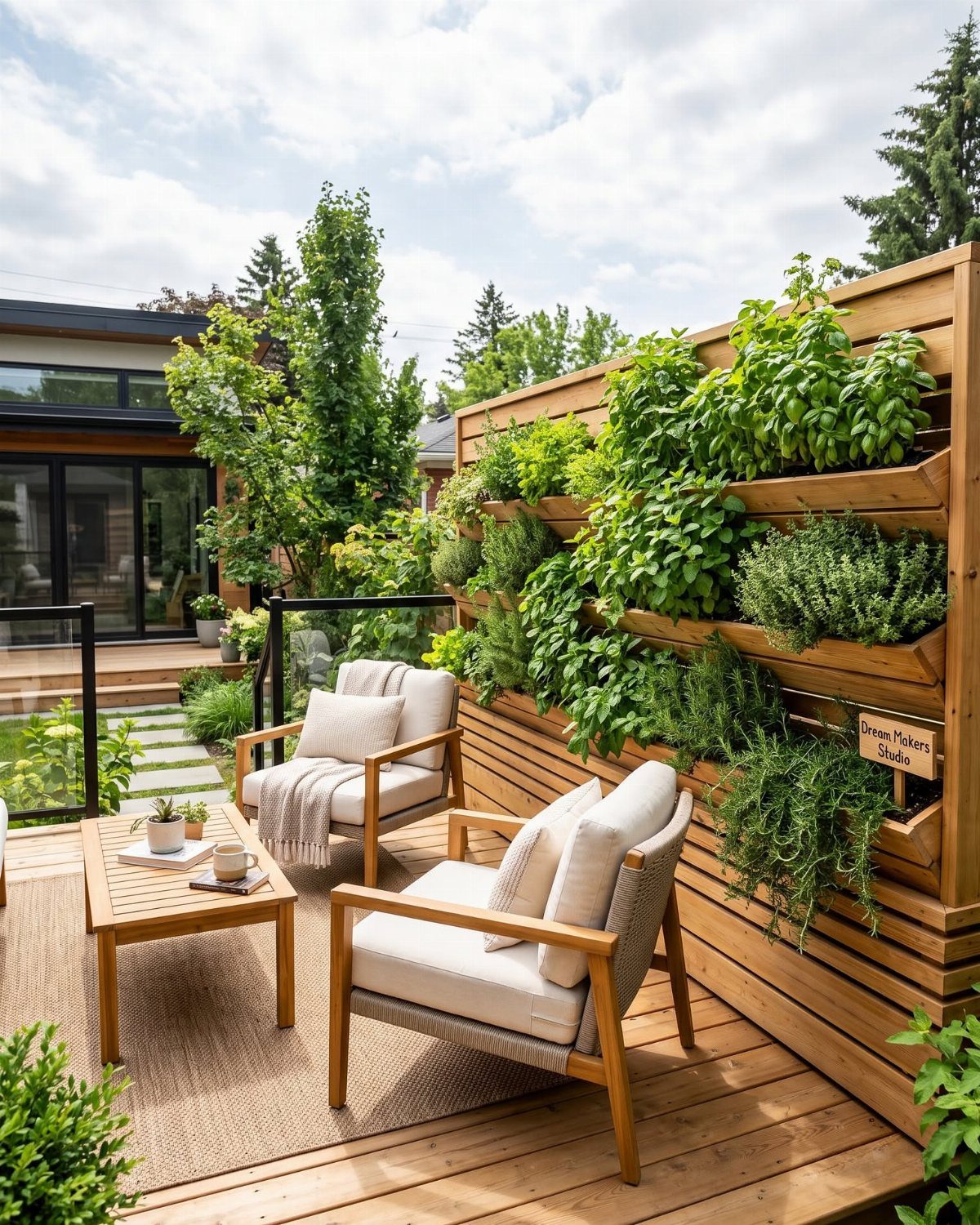
Freestanding pots migrate, tip, and multiply until your deck looks like a staging area. Built-in boxes lock the planting in place, whether integrated into a privacy wall or wrapping deck steps so each tread ends in greenery.
Custom boxes follow odd angles; modular systems suit straight runs. I would line any wood planter with plastic or metal to slow rot, and drill drainage you can live with, since soggy soil kills roots faster than drought.
Herbs in a wall planter near the kitchen door beat a supermarket clamshell on price by July, and you smell thyme every time you walk past.

【Soothing Water Flow】Multiple tiers create a gentle cascade with relaxing water sounds that help mask everyday background noise, adding a peaceful accent to gardens, patios, and backyard spaces.

Dual-whirlpool Design: HOLAPAW dog water fountain features dual-whirlpool water flow. It actively flushes hair and dust into filtration via swirling water, while oxygenating the water to keep it fresher. The pet water fountain prevents hair and dust buildup, mimicking a natural flowing water source to encourage drinking.

3-TIER CASCADING COLUMN WATERFALL: Create a modern focal point indoors or outdoors with this 39.7-inch tall water fountain. Water cascades across three staggered textured columns, adding layered movement and soothing waterfall sound to living spaces, sunrooms, patios, gardens, porches, entryways, and backyard relaxation areas.
5. Fire Pit
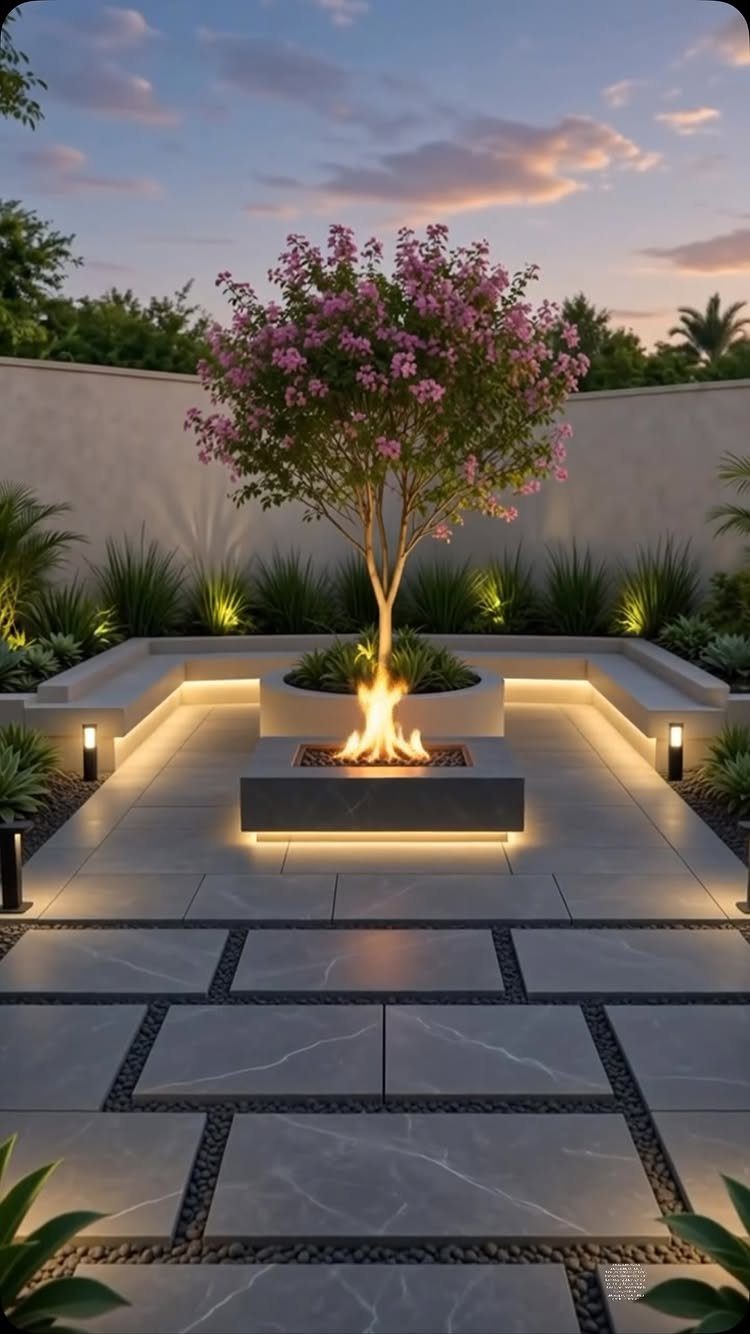
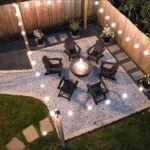
A fire pit is the seat everyone faces, even when no one planned to gather. A square stone pit with built-in benches centers the space; that permanence needs gas line or propane tank access and local code checks first.
Portable steel bowls suit smaller decks and let you chase the windbreak. I prefer smokeless designs if neighbors are close, though nothing replicates real wood for sound and smell.
Clear overhead and around, use fire-resistant stone or pavers underneath, and accept that someone will always sit where the smoke goes. Tabletop versions give flame without the footprint for tight spaces.

【Universal Fit for Most Railings】Stop worrying if it will fit! Our adjustable railing planter boxes bracket (made of sturdy, powder-coated iron) securely mounts on any railing from 1.6" to 4.9" wide. This no-drill design protects your property, giving you a stable, custom fit for your balcony, deck, or patio fence.

【Material Description】The vertical raised garden bed consists of a sturdy metal frame and 3 plastic boxes (Dimension: 16.8 x 7 x 5.5 inches). It is lightweight, rust-resistant, and easy to move, making it a great choice for both indoor and outdoor use.

【SIZE】: Vertical garden planter size: 33.1*18*28.7 inches.
6. Rock Beds
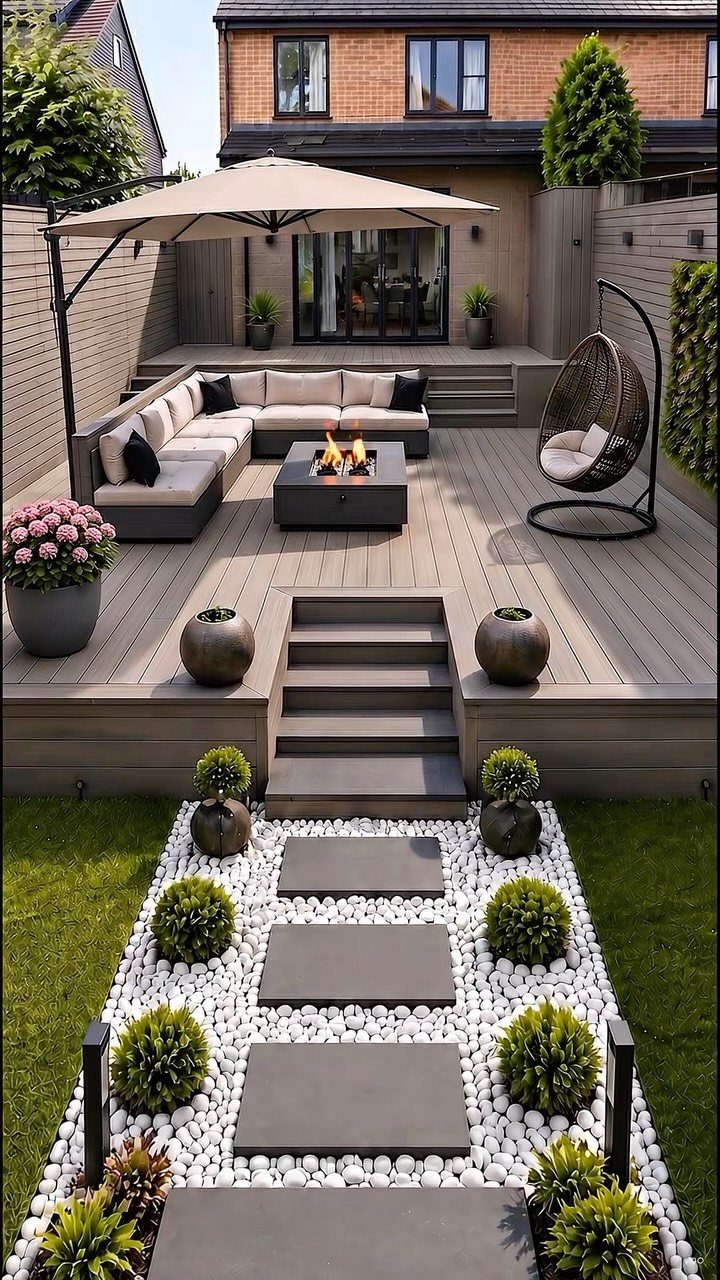
Gravel and boulders do not wilt, do not need mowing, and do not invite weeds through landscape fabric underneath. A white pebble bed sets large pavers as stepping stones with shrubs at the edges; the contrast reads deliberate, not abandoned.
I would use angular rock over rounded for paths, since round stone shifts underfoot like ball bearings. Cost runs lower than sod long-term, though delivery and spreading bulk gravel is a weekend of work you feel the next day.
For greenery, plant between stones or at the border; a rock bed with nothing living reads lunar. Drainage improves, too, if your deck sits where water pools.

For Low-Profile Outdoor Accents: 16.4ft Cool White 5000K strip with 150 LEDs fits patios, steps, deck edges, shelves, coves, counters and trim lines

Warm White & Bright Lighting: The solar deck lights feature a 3000K warm white glow with 40 lumens for clear and comfortable lighting. They create a warm and inviting atmosphere for pathways, railings, walls, gardens, and balconies. These fence lights solar powered options are ideal deck solar lights for reliable outdoor use.

【Warm Light without Dazzling】Warm white led of this deck light is enough for you to illuminate your fence, deck, step, patio, balcony, yard or garden, which is safer for the whole family to go downstairs at night.
7. Cozy Outdoor Living Room
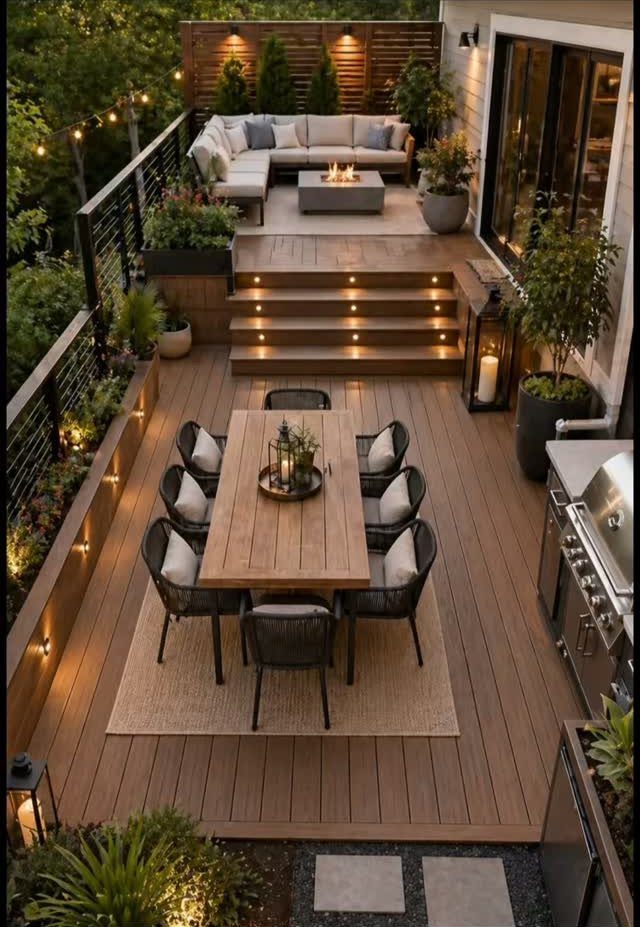
A deck becomes a room when furniture arranges itself around how you actually sit, not how you posed for the photo.
Sectionals work for groups that sprawl; a pair of armchairs suits anyone who reads. I would measure door clearances before ordering, since outdoor sofas often arrive in pieces that still barely fit through standard frames.
Built-in benches save space on narrow decks but commit you to one layout; movable pieces let you chase shade or regroup for a party. Leave enough width for paths, same as indoors, or traffic jams at the grill.

Three Optional Modes 1.Motion Sensor Light Mode (The lights will go off at night when no motion is detected; when it detecteds motion the step lights stay on at high brightness for 15 seconds and then go off) 2. Permanent On Mode (the lights turn on automatically night and stay on at 10% brightness for 8 hours). 3. Smart Brightness Control Mode (when no motion is detected, the light stays slightly bright all night; when motion is detected, the motion sensor adjusts the light to stay on high for 15 seconds, then back to stay slightly bright)
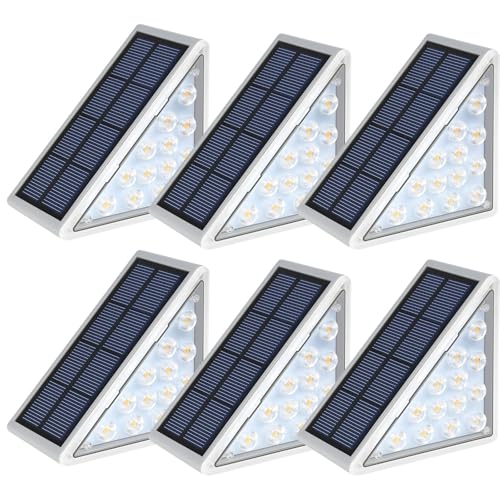
Light up Your Happy Summer Time: Audles step lights create a warm and comfortable atmosphere to enjoy your happy sunmmer time. You can pairing them up with it on each side of the step gives the perfect amount of illumination. Add a warm and pleasant ambiance to your yard and deck. Perfect for outdoor use, creating a pleasant atmosphere for courtyard, stair, garden, tent and lawn.

【Multiple Usage Scenarios】Waterproof outdoor solar lights brighten every step to reduce fall risks, blend solar step/deck light benefits, and act as charming solar garden decor for patios, yards, and gardens—offering a balanced mix of style and functionality.
8. Multi-level Decks
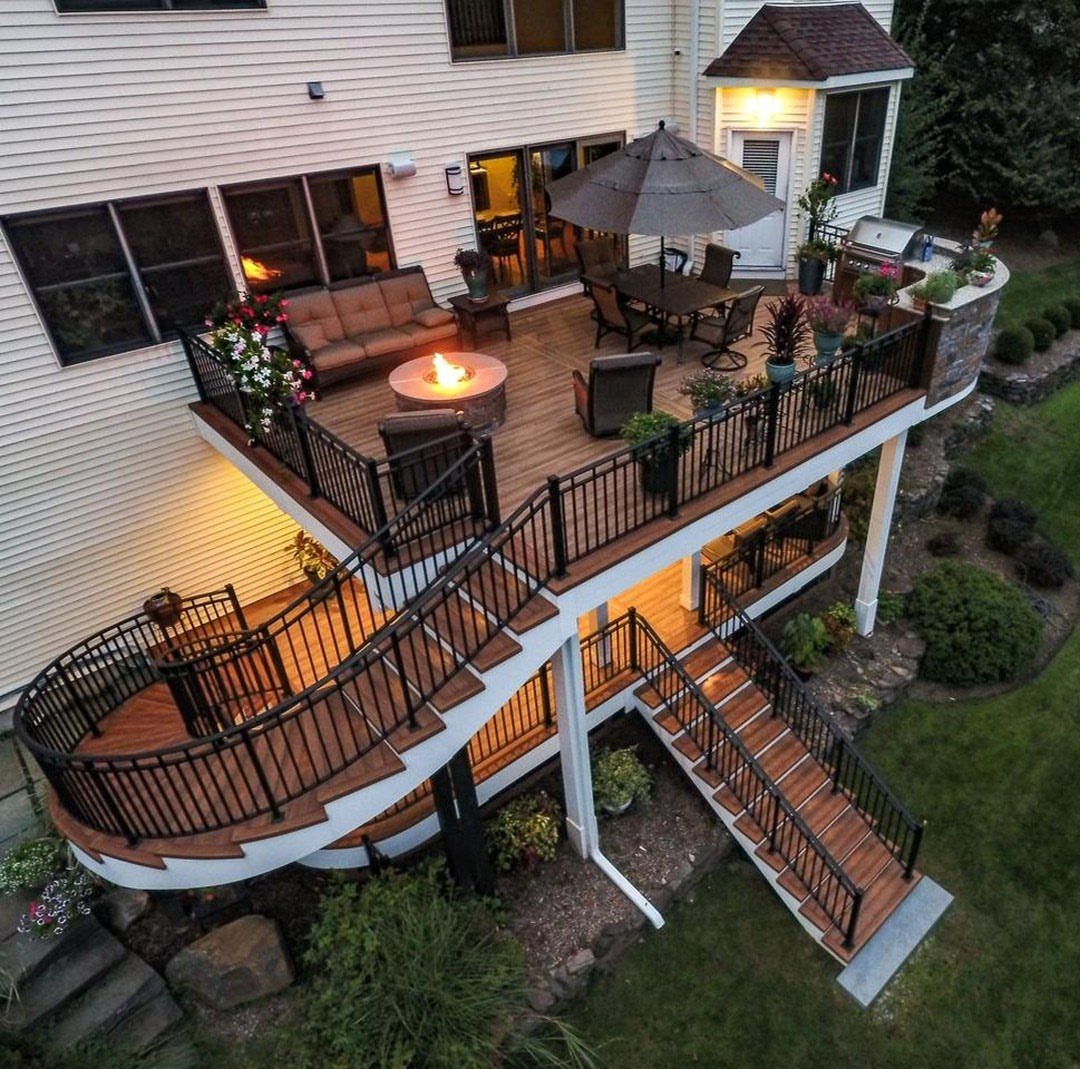
Split levels turn one flat deck into separate rooms without walls. Stairs between tiers do the zoning for you: dining up top where smoke drifts away, lounging below near the garden.
I would check railing heights at each change; code usually wants a specific minimum where the drop is steep, and inspectors notice stairs more than anything.
Different materials per level, say composite above and wood below, mark the shift without a physical barrier.
The structural reality is this: each level needs its own footings and ledger, so this is not a retrofit for a deck already sagging.

Attention: California and Arizona residents cannot order this item due to state restrictions.

Grow Your Own Screen: liners are young plants that fill in over several seasons. Plant 8 ft apart on center, or 4 ft apart in a staggered double row

These are ready to plant and should be put in the ground according to the included instructions upon arrival. All pictures are of fully grown plants. Sizes shipped are in the title and description. Deciduous plants do not have leaves in the winter.
9. Outdoor Space Decorative Accents
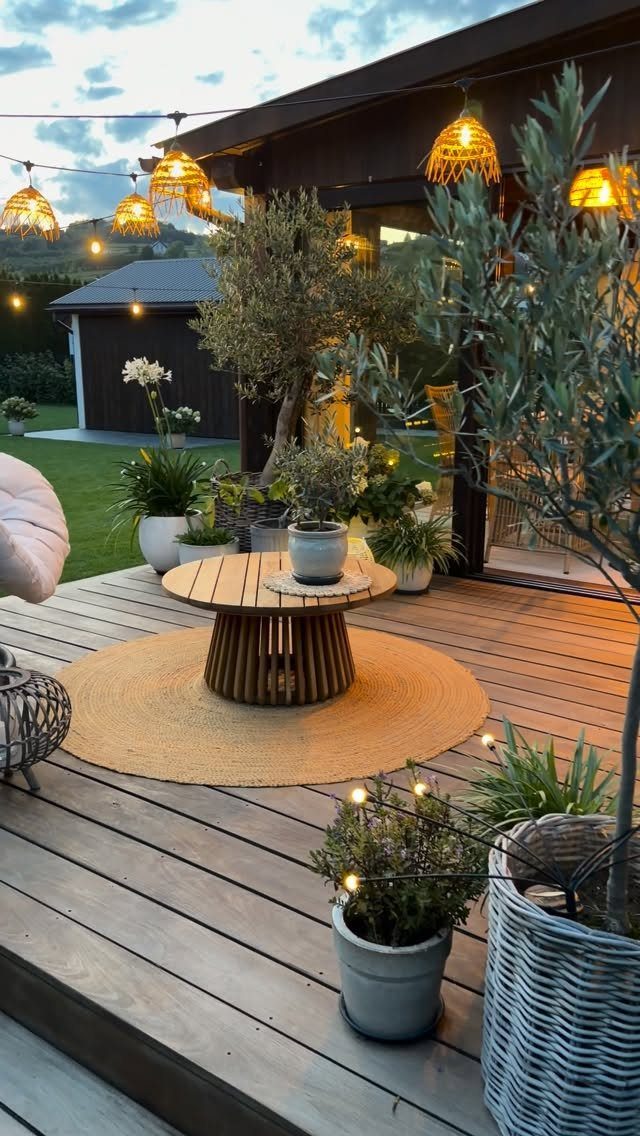
The small stuff is what makes a deck feel finished instead of furnished. A rug underfoot, even outdoors, anchors seating the way walls do indoors; jute or polypropylene survives weather and hosing off.
Lanterns and string lights add what the sun takes back after dark. I mix in houseplants that summer outside, though I check for toxicity if pets chew leaves.
Woven hangings or a sculptural piece against railing give the eye somewhere to rest. The limit is visual noise: a few accents read as taste, too many read as storage overflow.

【Realistic Rock Design】Moss details and 6-tier styling bring natural waterfall charm to compact indoor and outdoor spaces.

Layered Water for Outdoor Spaces: Bring motion and visual depth to a patio or garden with a four-tier waterfall fountain that guides water from the top jar through three basins into the lower reservoir

Modern 3-tier bowl waterfall design with a curved sculptural frame for a calming focal point on patios, balconies, gardens, porches, and indoor corners.
10. Pergola Over the Deck
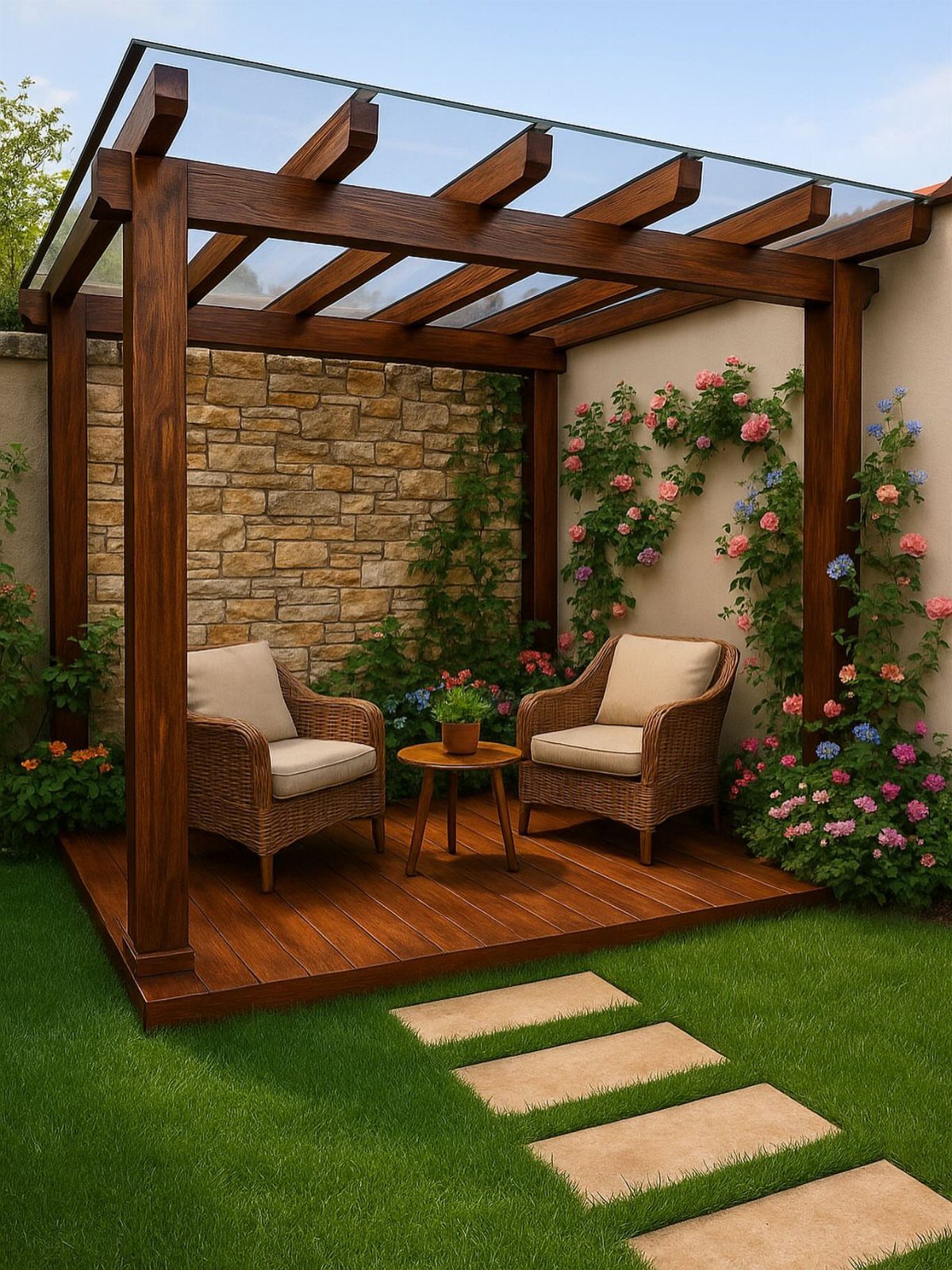
A pergola is a roof that argues with the sky and mostly loses, which is the point.
Slatted tops or glass panels cut direct sun without the cave feel of a solid cover; deciduous vines overhead fill the gaps in summer and drop their leaves for winter light.
I would anchor posts to the deck frame or pour footings below, never bolt to decking boards that flex.
A retractable canopy adds shade when you need it and rolls back when you do not. Check snow load ratings if you are north of the Mason-Dixon; a pergola that collapses in March was architecture in October.
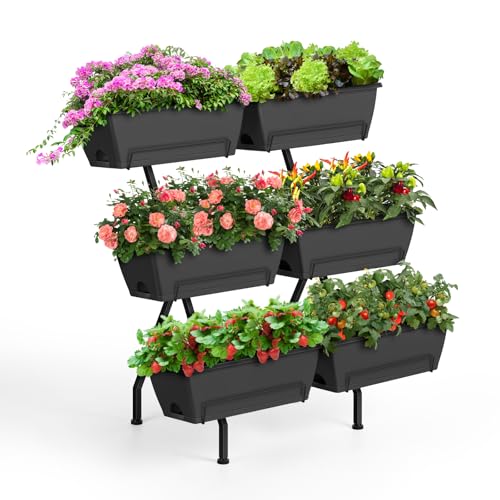
【Space-Saving Vertical Garden System】 Six stackable planters transform tight spaces into lush gardens – perfect for urban balconies, small patios, or indoor greenery. Strategically alternate herbs, flowers and vegetables across tiers to create your perfect mini ecosystem.

【 Vertical Raised Garden Bed with Trellis】Perfect for home gardening lovers, this herb planter outdoor with 4 garden boxes let you plant vegetables, herbs, and flowers in separate plant bed while the 11-inch trellis supports climbing plants like tomatoes, strawberries, vines, and peppers. The balcony raised garden beds outdoor with legs creates an optimal environment for your plants to thrive.

【4 Tier Vertical Raised Garden Bed】: Vertical garden planter size: 16.8*18.3*41.5 inches. Planter box size: 16.8*7.02*5.5 inches. The compact size enables our raised planter box to fit well in your patio balcony, deck, or backyard. The vertical design with suitable height will not restrict the growth of the lower level plants and keep away from the constant bending plantation work.
11. Create Privacy with Smart Landscaping
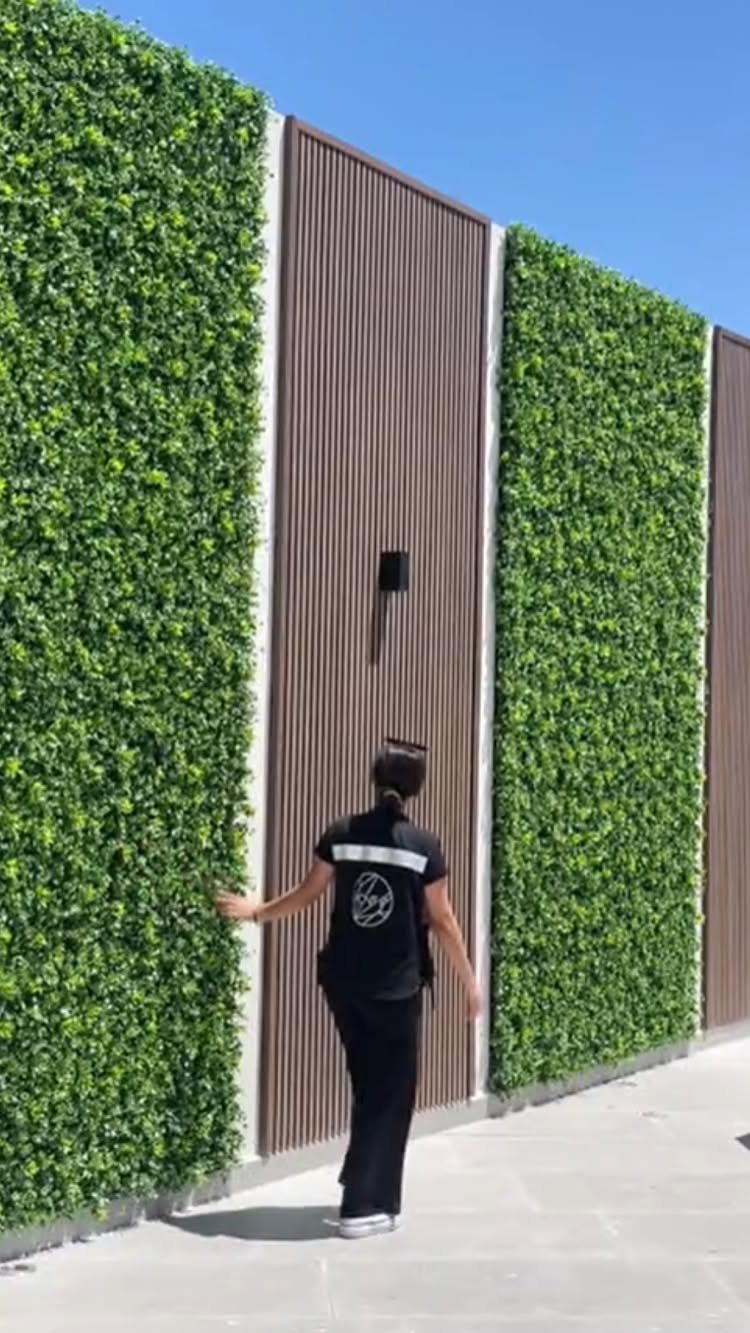
Privacy plantings let air move where a fence would suffocate. Layer tall shrubs or bamboo at the back, medium perennials in front, and something low at your feet so the screen reads garden, not barricade.
I would leave gaps for breeze and avoid running bamboo unless you enjoy containment projects; clumping varieties stay where put. A partial screen on the exposed side often suffices, saving money and maintenance.
Evergreens give year-round cover but block winter sun; deciduous hedges trade bare branches for light when you want it. Check mature heights before planting: a shrub sold small may outgrow its spot fast.
Consider Maintenance Levels
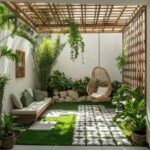
Ground-level decks already read clean; the wrong planting turns that into clutter fast. Small-stature trees like junipers keep vertical lines instead of bushing out sideways, and succulents sit still where they are put.
Natural boulders and decorative stone add the same visual weight as shrubs with no watering schedule and no die-off to replace.
I would use stone to define bed edges and cut the plant count rather than fill every gap with something living.
Rock features do not mask deck lines the way overplanted beds do. Greenery should frame the lumber, not fight it for attention.
Plan for Seasonal Changes
A deck you use three seasons needs planting that works four. Evergreen shrubs like boxwood or dwarf pine hold structure through winter when perennials have quit; salvia and hosta pick up from spring through fall.
Layering keeps the bed legible: tall at the back, low at the front, the same logic as indoor shelving.
Annuals add their weeks of color but need replacing; I would budget for that or skip them rather than let August gaps sit bare. Native perennials cut water and maintenance both, and they survive the winter your tropicals will not.
Define Your Deck’s Purpose
Landscaping around a deck starts with what you are actually building for. A quiet reading nook needs different planting than a setup built for grilling and a crowd.
Seating areas, traffic paths, and where the sun hits at 6 pm all shape what goes where. I would map any future expansion, pool, or hot tub before putting in trees or built-ins you will tear out later.
The deck’s size and sun exposure set hard limits; shade-loving understory plants fry on a west-facing rail, and a narrow deck cannot absorb a dining set plus circulation without feeling like a hallway.
Know the purpose first, then let the plants and materials follow.
Use Color and Texture
Your deck already has a color palette in its boards, railings, and trim; planting against it instead of with it reads accidental.
Pick flowers and foliage that complement what is fixed, whether that means bright contrast or staying in the same muted range. Mixing materials adds the same interest: natural stone or reclaimed wood against composite, pebbles defining a walkway through grass.
I would use texture as deliberately as color, smooth leaves against needles, fine grass against broad hosta. Throw pillows and outdoor rugs carry the same logic indoors out.
The eye needs somewhere to rest; too many competing textures and the space feels like a clearance rack. Prune seasonally to keep lines clean, not because the plant is wrong but because growth changes the composition you planned.
Frequently Asked Questions
What are some creative ways to landscape around a deck?
Built-in planters lock greenery in place without the clutter of migrating pots, and rock beds with gravel and boulders cut long-term costs below sod while handling drainage.
Layering vertical plants like cryptomeria or arborvitae buys back sky and blocks wind, while water features or fire pits give the space a center of gravity.
A reading nook wants soft scent and dappled shade; a grilling setup needs plants that can handle heat and the occasional grease splatter without turning brown.
How can I create privacy around my deck?
Layered plantings let air move where a fence would suffocate: tall shrubs or clumping bamboo at the back, medium perennials in front, and something low at your feet so the screen reads garden, not barricade.
I would leave gaps for breeze and avoid running bamboo unless containment projects are your idea of relaxation.
What are some low-maintenance landscaping options?
Rock beds, native perennials, and built-in planters keep the work down year over year.
Succulents and small-stature junipers keep vertical lines without bushing out sideways, and stone defines bed edges while cutting the plant count rather than filling every gap with something living.
How can I make my decking look nice?
Color and texture work with what is fixed: pick flowers and foliage that complement your boards and railings, mix smooth leaves against needles or fine grass against broad hosta, and anchor seating with an outdoor rug in jute or polypropylene that survives hosing off.
I would check pet toxicity on any plant before putting it where animals chew.