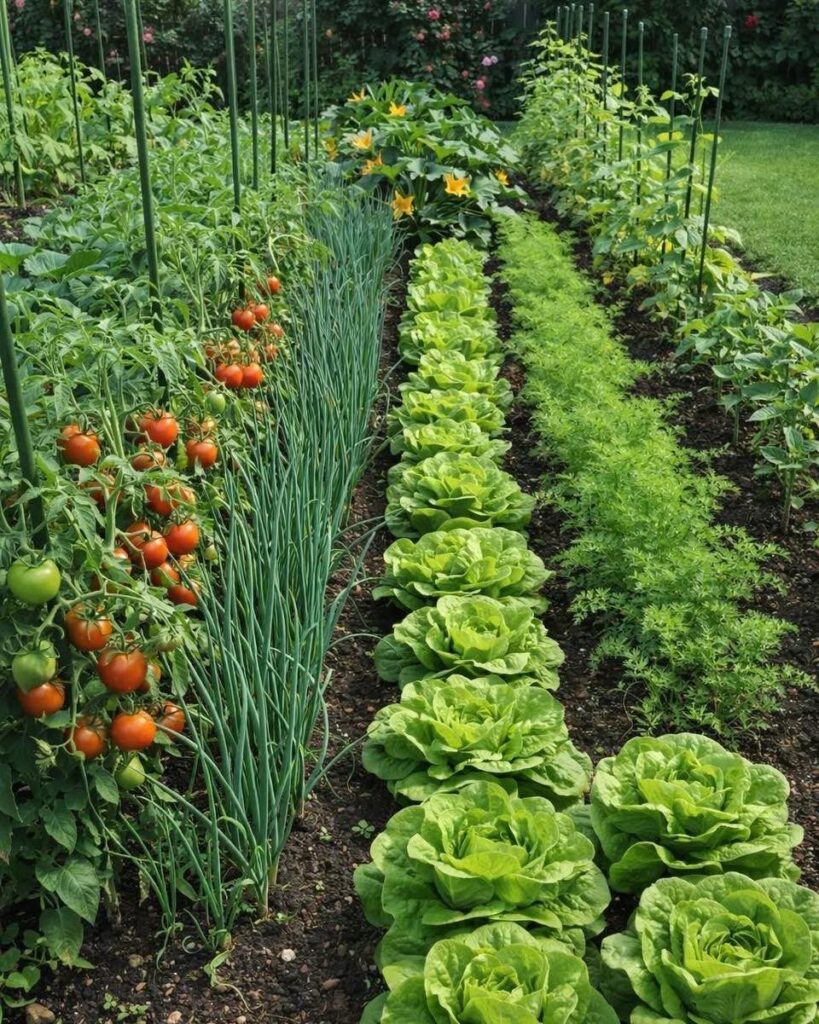
A setup can run from a few fabric bags on a patio to a walk-in cedar enclosure with a hinged wire door, and the right choice depends on how much you bend and how often you move.
Woven branch beds, galvanized stock tanks, and tiered pine frames each solve a different problem of space, pests, or aging knees, and they all appear in the list below.
[link-whisper-related-posts]1. Denser Planting
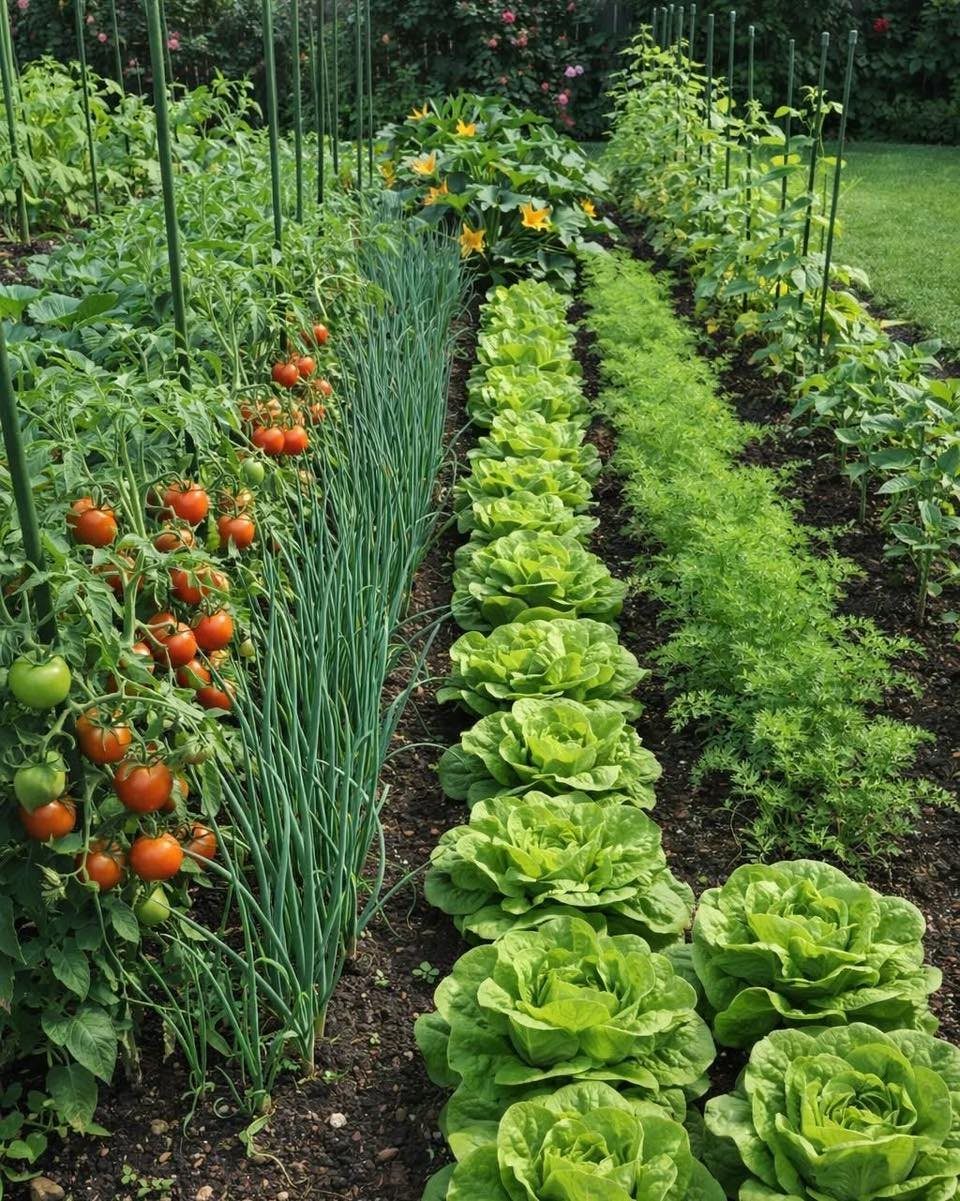
Tighter spacing in a raised bed is one of the few places where crowding your plants pays off.
The loose, amended soil lets roots grow down instead of fighting sideways, so tomatoes, lettuce, and herbs can sit closer than they would in packed ground.
That density shades out weeds before they get established, which cuts down on the one chore I like least.
Bush-type tomatoes, cucumbers, and beans all handle this well. Skip the sprawlers like squash and melons; they need more room than even a generous raised bed gives.

Elevate Your Garden - Opt for a brilliantly engineered raised garden bed to revolutionize your gardening. Its spacious design, measuring 48x24x30 inches, allows for the cultivation of multiple vegetable varieties alongside a plethora of herbs, optimizing your gardening space for ease and diversity.

16.5" deep to accommodate large, deep-rooted plants
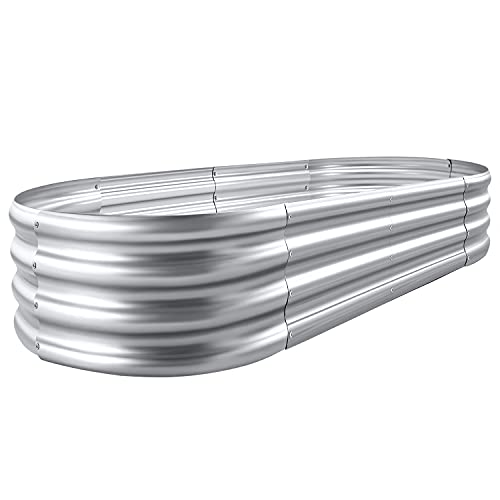
Each raised metal garden bed size: 4×2×1ft ,7.14Cu
2. Cedar Raised Beds
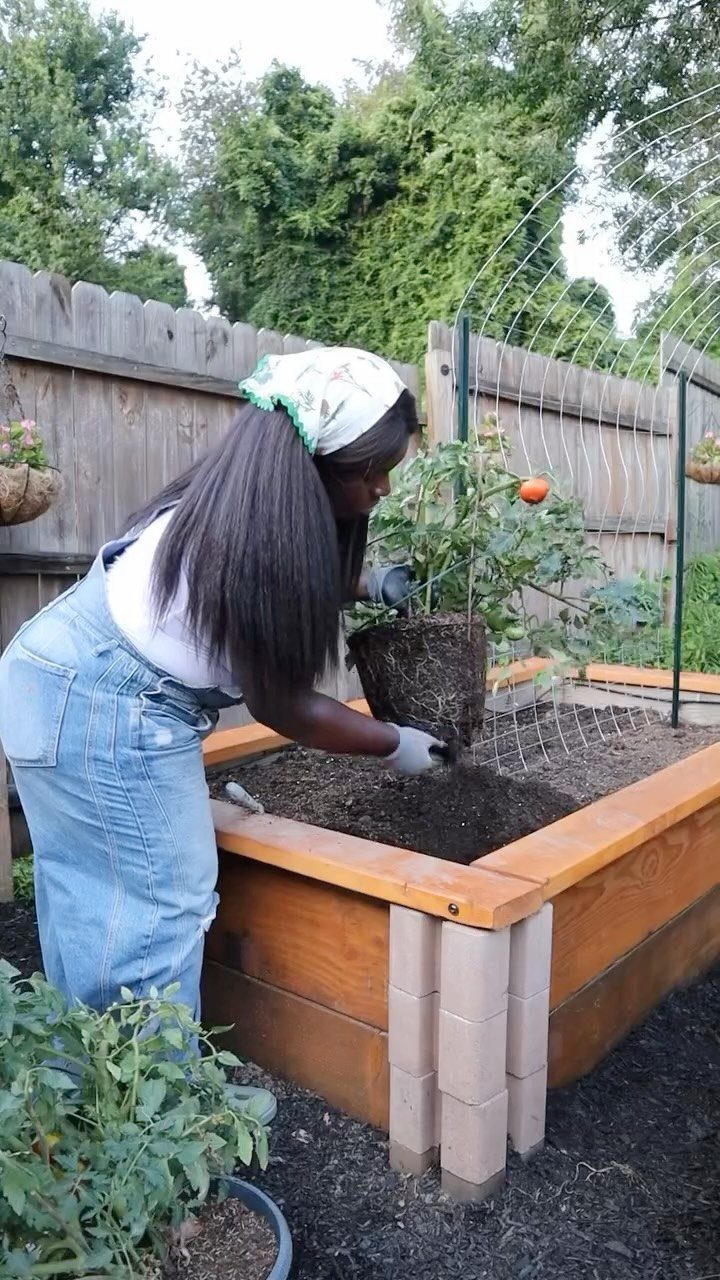
Cedar lasts.
I have watched pine boxes soften and bow after 3 wet seasons, while cedar holds its shape and its smell. The upfront cost stings more, but you are not rebuilding beds every few years.
Stacked corner blocks and an arched wire trellis give you a frame that is simple to assemble and easy to climb beans or tomatoes onto later.
Line the inside with hardware cloth if your yard has a vole or gopher problem; I learned that after losing a full row of young carrots.
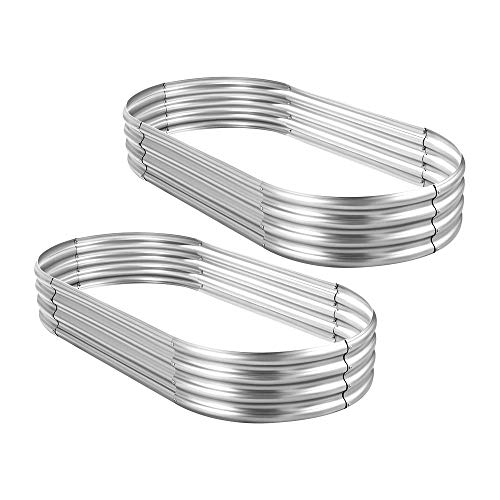
Each raised metal garden bed size: 4×2×1ft , 7Cu

4X2X1FT GROWING SPACE: This oval raised garden bed measures 4 x 2 x 1 ft, providing 7+ cu. ft. of organized growing space for vegetables, herbs, flowers, strawberries and selected root crops. Its compact footprint fits naturally into backyards, lawns and small outdoor gardens while keeping plants easy to reach and maintain.

【24'' Growing Depth】Measuring 48"(L) x 24"(W) x 24"(H), the metal raised garden bed holds 144 gallons of soil and provides extra large growing space for vegetables, fruits, flowers and other plants.
3. Multiple Smaller Beds
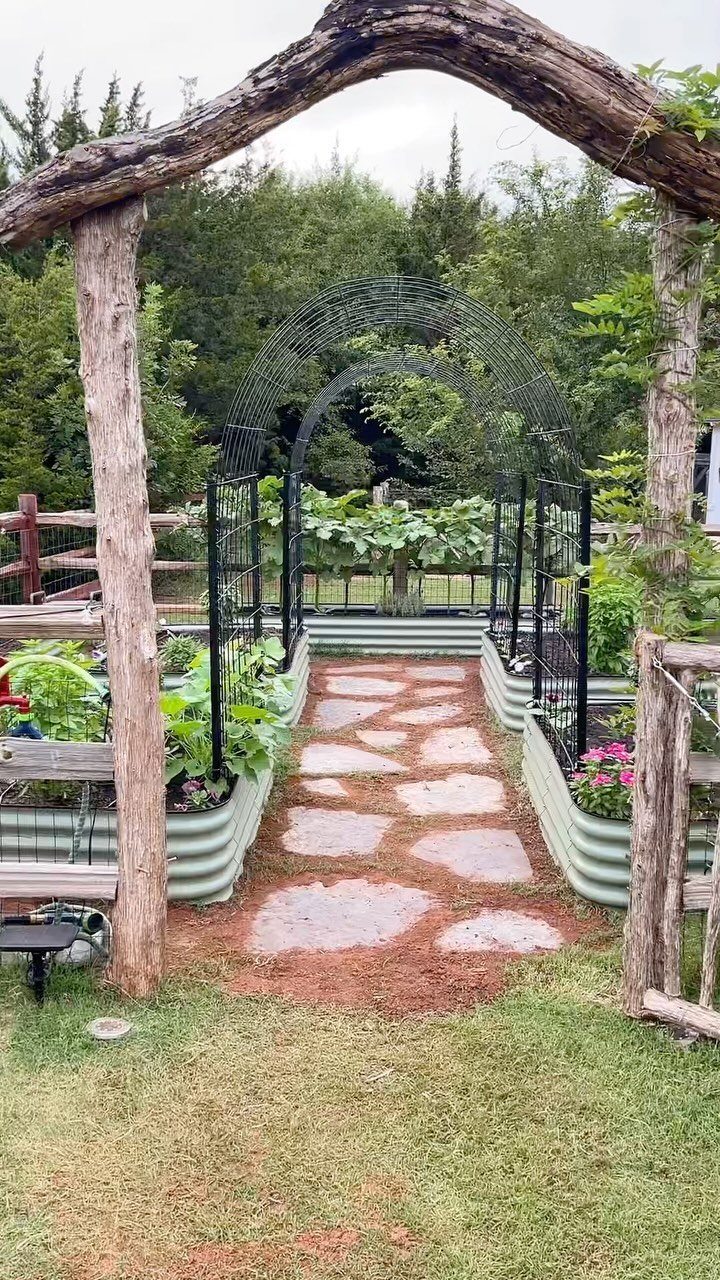
Several smaller beds beat one long rectangle for anyone who rotates crops.
Moving tomatoes to a different box each season breaks disease cycles without you having to track every planting from memory. A stone path between them keeps your boots clean and gives you a dry route even after heavy rain.
Metal sides warm early and cool late, which buys you a few weeks on either end of the season. The trade is faster drying; I check these beds more often than my in-ground plots.

Ergonomic Height: Standing at 30 inches tall, it reduces strain from bending and kneeling, promoting more comfortable gardening.

Easy set up using wire tie secure the panel to the cedar wood stakes provided.

[Versatile Hanging Roof]: Find a proper display spot for the creeping plants and basket plants. The raised garden bed has a wide hanging roof to provide additional growing space. As needed, it can also accommodate your ribbons, string lights, or colorful flags to decorate your backyard, patio, and deck.
4. Galvanized Planters
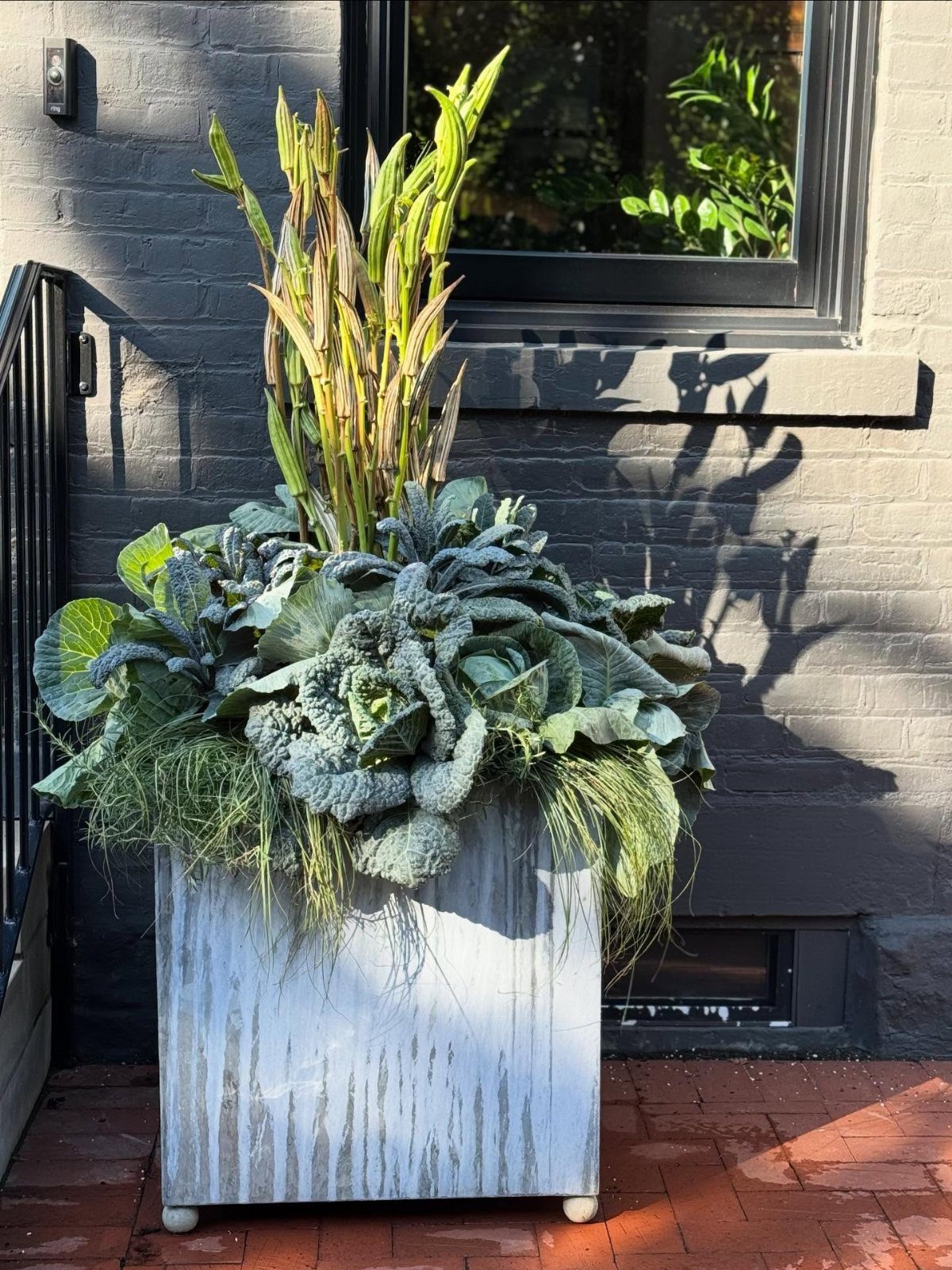
A stock tank or oval tub from the farm supply store becomes a planter that outlives any wood.
Galvanized steel does not rot, so you can expect decades of use with almost no upkeep. The metal conducts heat, which pushes soil temperature up faster in spring and holds it later into fall.
Drainage is the whole job.
If the tub has a solid bottom, drill holes for drainage before you fill it. I set mine on casters once so I could roll it for afternoon shade; the brakes matter more than I expected on a slope.
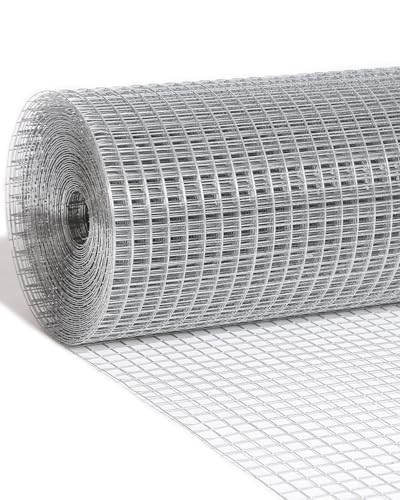
Premium Galvanized Construction – Made with 1/2 inch x 1/2 inch mesh, 48 inches x 100 feet (1.22m x 30.5m), from galvanized annealed steel wire. The wire mesh is double-galvanized after welding, offering exceptional corrosion and rust resistance. It’s securely packed in a durable carton to ensure no torn edges and to keep the product in perfect condition during shipping

Strong & Solid Craft: The hardware cloth 1/2 inch 48 x 100 ft choose high-quality wires, strong and firm welded, uniformly vinyl coated; Smooth mesh surface, each hole of the same size; Beautiful appearance, with a certain decorative function; Strong structure, high corrosion resistance; Easy to install, not easy to fade or deform

Material and size: The size of the hardware cloth is 48 inch×100 ft square and 1/2 inch×1/2 inch thickness, adopt 19 guage hot-dipped galvanized material
5. Season Extension
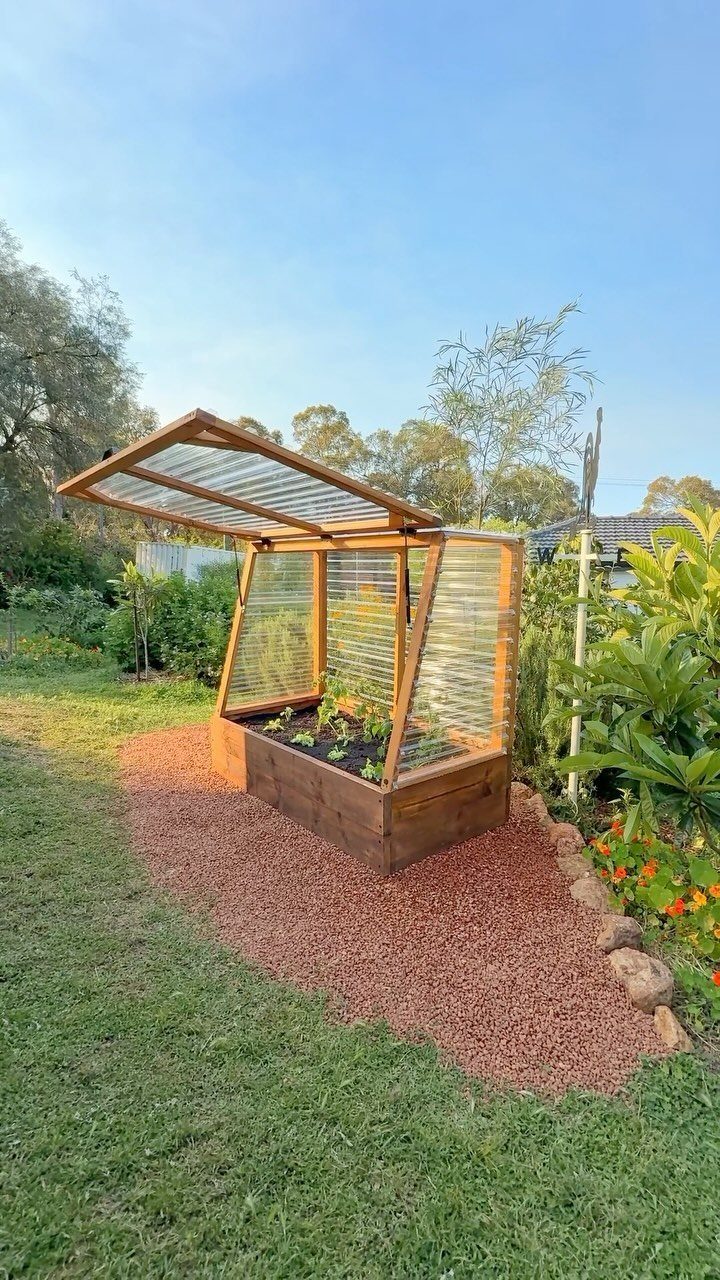
Soil in a raised bed warms faster than ground level dirt, and a cold frame lid turns that advantage into real season extension.
A corrugated cover traps heat on cold nights and vents on warm days with gas struts holding it open.
I prop mine open by mid-morning once the sun is high, or the lettuce cooks by noon. Closed at dusk, the same box keeps hardy greens alive weeks after my open beds have frosted hard.


Upgraded package includes : 4 sets of 65" tomato Cage include 84 connecting rods, 12 pointed rods , 12 three-way connector, 36 four-way connector, one bundle of twist ties, and one installation manual.

Tomato Cage Ample Space for Healthy Growth: Reaching up to 48 inches in height, these tomato cage offer generous room for seedlings and starter plants to grow strong. The package includes 54 steel core stakes, 54 connecting arms, 36 connecting pipes, 10 large plant clips, 10 small plant clips, and 165 feet of twist ties. The green color of the components blends well with the plants, and the abundant parts can meet all your assembly needs, ensuring bountiful harvests and beautiful blooms
6. Woven Branch Garden Beds
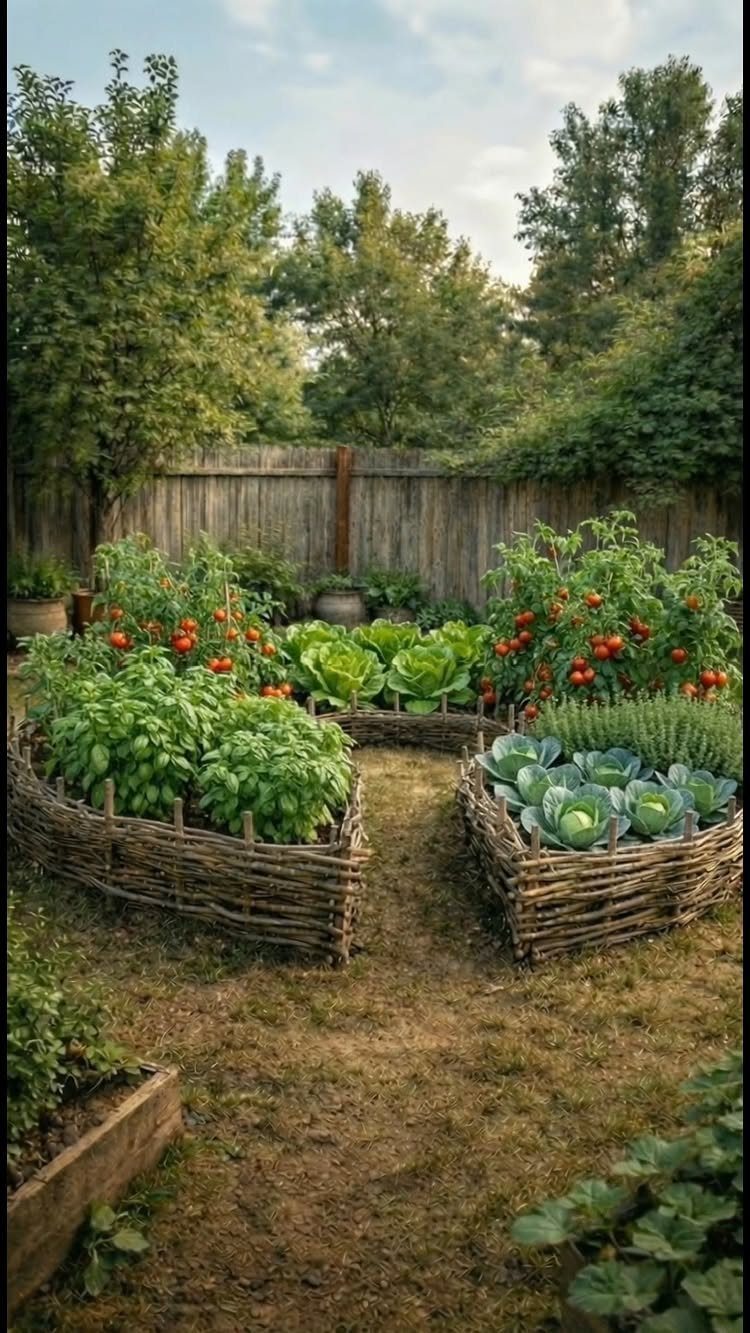
Woven branch beds sit low to the ground, more border than box, and curved walls follow the line of the yard rather than fighting it. Flexible young branches, willow or dogwood, bend and tuck into stakes driven at intervals.
The height is the decision to make before you start. Check that your weave is tight enough to keep compost from spilling through the first season.

SPACIOUS GROWING SPACE WITH EXTRA PLANTING DEPTH:Measuring 91.5" L × 47.3" W × 22.06" H, this galvanized raised garden bed holds approximately 412 gallons of soil, providing generous planting space and extra depth for vegetables, herbs, flowers and fruits. The spacious design allows roots to grow naturally while supporting tomatoes, peppers, cucumbers, broccoli, beans, lettuce, carrots, potatoes and other popular garden plants. Ideal for backyard gardening, raised vegetable gardens and outdoor planter box projects.

DIMENSIONS: 48 in. W x 48 in. D x 29. 12.6 in. H

Size: The garden bed measure is 46"L x 23.6"W x 17"H. The planter box provides ample space for planting vegetables, fruits, flowers and other plants.
7. Enclosed Raised Bed Garden
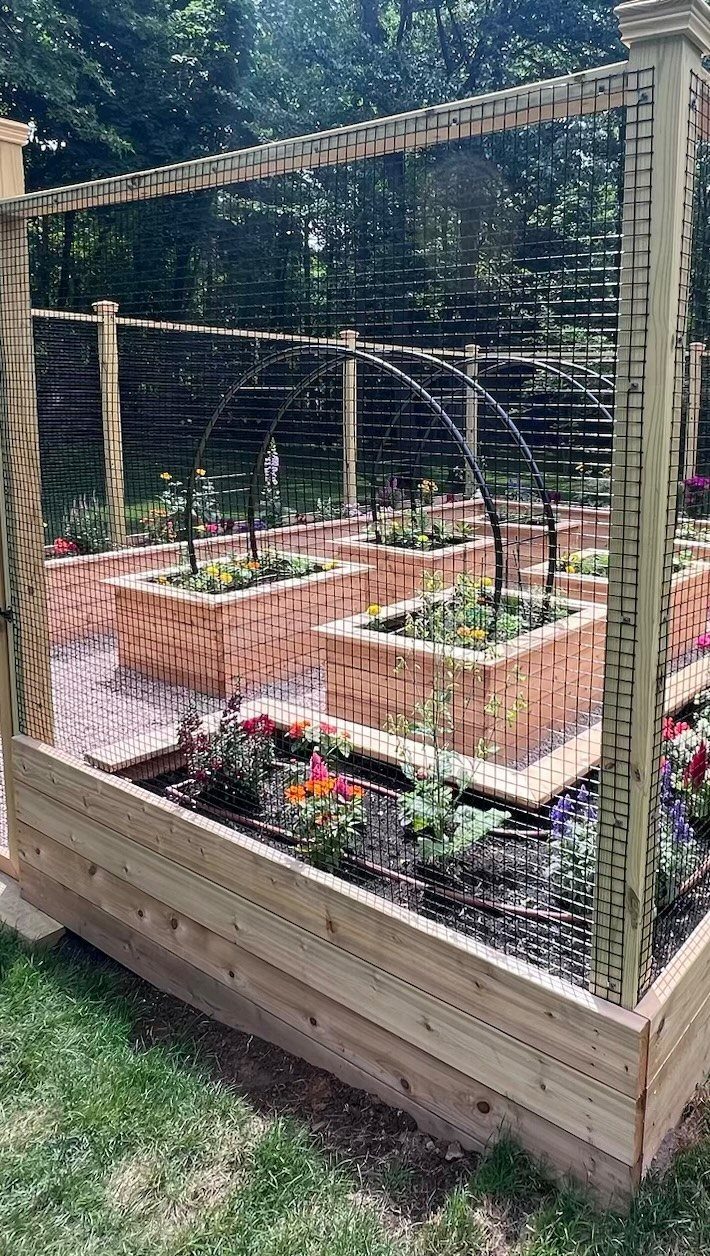
A full enclosure around your raised beds keeps rabbits, deer, and the neighbor’s cat out of your lettuce. The wire-mesh walls and netting roof turn several wooden boxes into a walk-in room you can close.
The door is the detail to plan before you build.
Hinge it to swing outward, or you will be backing out with armfuls of tomatoes. Check that the mesh gauge is small enough to stop the pests you actually have; tighter mesh stops smaller intruders.
Professional metal raised garden bed size: 6×3×1 ft, 15.55 cubic feet, you can grow vegetables, fruits, flowers, herbs and other plants in courtyards, yards, gardens and greenhouses.

Galvanized Metal: Get a garden going anywhere outside; our outdoor planter lets you set down soil even if you don't have a yard. Also, it's built with 0.6mm thick galvanized steel so that it won't warp or deform due to moisture.

More suitable raised garden bed size and Volume:67"L x 20"W x10"H, 7 Cu. Ft. You can cultivate plants, like vegetables, flowers, herbs in your patio, yard, garden, and greenhouse.
8. Vertical Metal Frame Planters
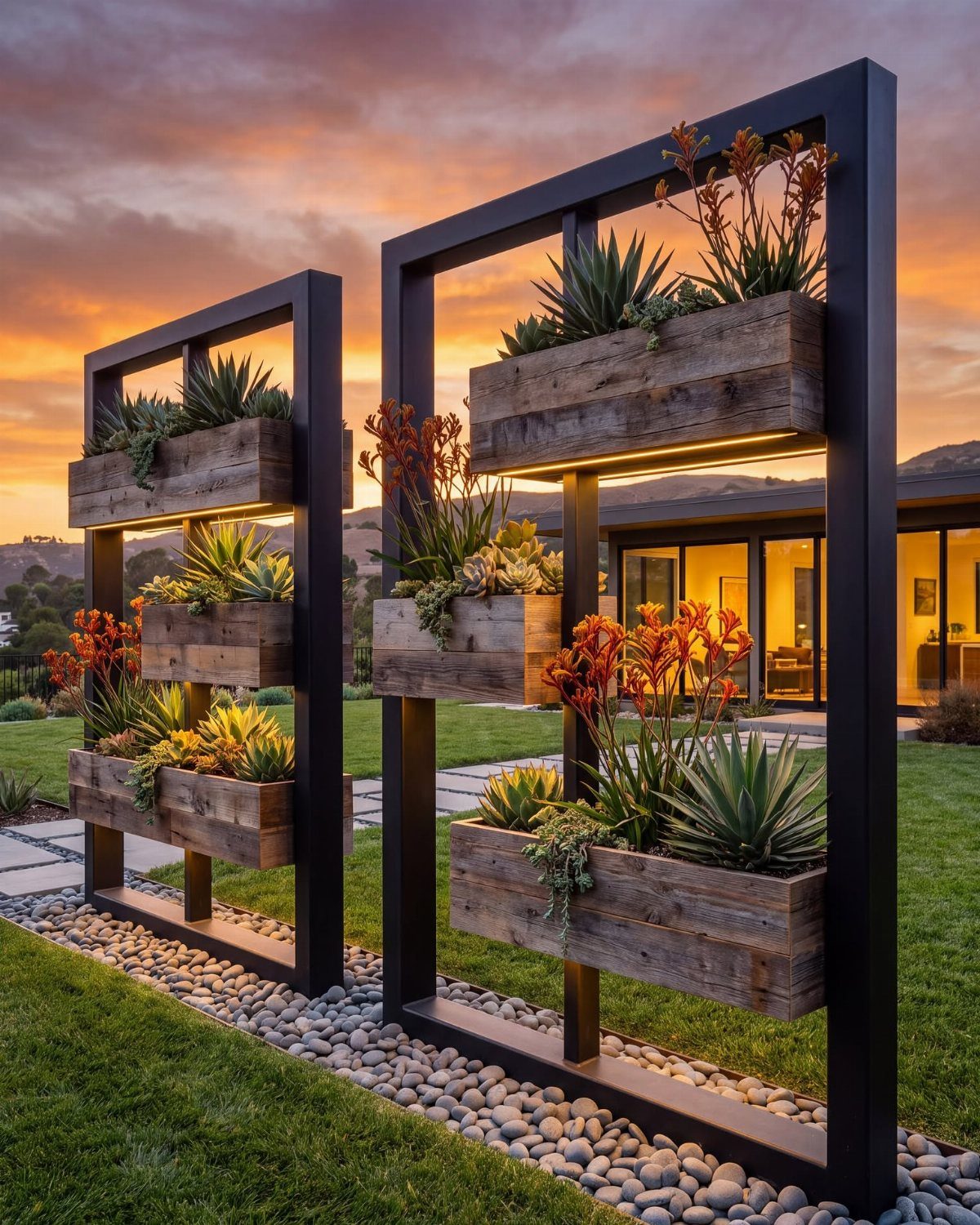
Freestanding metal frames stacked with wooden boxes give you planting space without ever bending down. The black frames hold the boxes like shelves, so succulents or herbs sit at waist height and above.
Weight is the limit to watch.
Wet soil in a wooden box gets heavy fast, and the frame needs to carry it without sway. Set the feet on level ground; a loaded frame on even a slight slope will lean until you shim it.

Spacious Planting: Raised garden bed 8x4x1 FT can accommodate 32 CUFT / 239 gallons of soil. Raised garden bed 6x3x1 FT can hold 18 CUFT / 135 gallons of soil. With ample room to grow, our large garden bed provide you with the space needed to nurture a thriving garden. Whether it's vibrant vegetables fragrant herbs or beautiful flowers, you'll have the room to cultivate your favorite plants.

Spacious Raised Garden Box: With a 39" x 14.25" x 10.25" grow area that holds about 24.5 gallons of soil, our elevated garden bed is long and deep enough to ensure your vegetables can reach their potential.

3 IN 1 Raised Garden Bed with Trellis: This YITAHOME garden bed kit pairs 2 raised beds and two 87-inch arched trellis with climbing net, capable of holding 400 gal of soil.The arched trellis provides sturdy support and ample growing space for vines, guiding them upward to maximize sunlight and airflow
9. Tiered Wooden Raised Beds
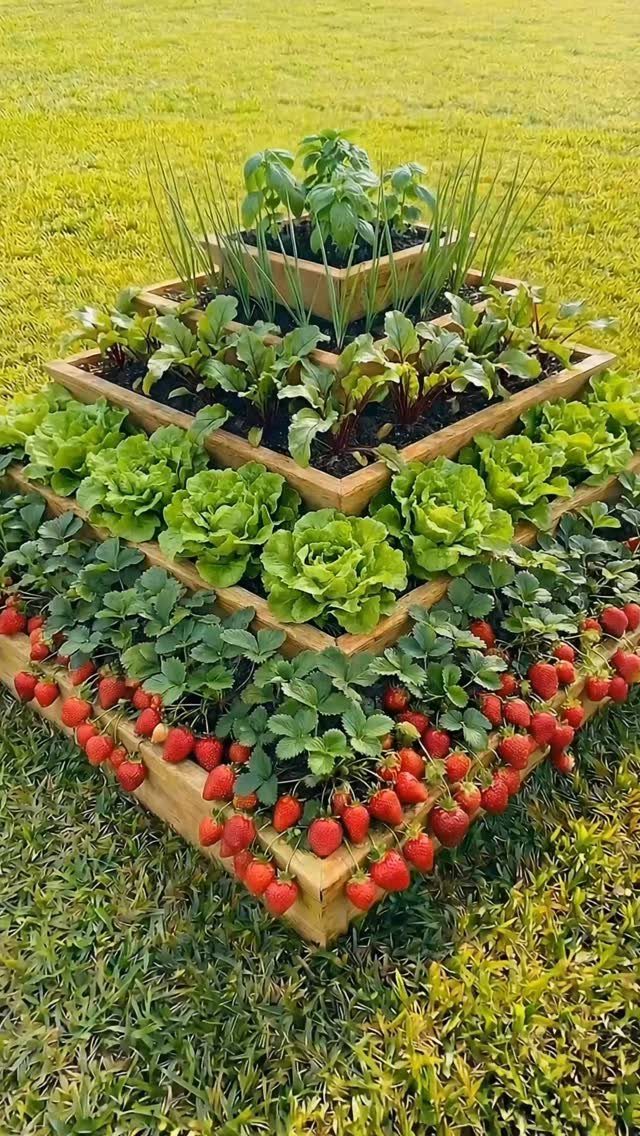
A tiered pyramid of wooden boxes planted with strawberries, lettuce, and herbs gives you more square footage than the lawn it sits on.
Each level catches sun at a different angle, so the basil on top and the beets below both get what they need.
Sloped sides let water run off instead of pooling at the corners after heavy rain.
Too steep and the soil dries unevenly; too shallow and you lose the planting depth that makes a raised bed worth building. A wide base that tapers toward the top is the proportion that has worked for me.

Heavy-Duty 19 Gauge Hardware Cloth Construction: This hardware cloth is made from thick 19 gauge welded steel wire, creating a rigid and stable structure that holds its shape during installation. It is designed for outdoor and DIY applications where strength and durability are important.

Enhanced Durability – We've upgraded our design by increasing the welding area by 10% and boosting the zinc coating by 15% compared to similar products. This results in superior corrosion resistance, making our hardware cloth ideal for underground use that lasts for many years

Material and size: The size of the hardware cloth is 16 inch×50 ft and 1/2 inch×1/2 inch thickness, adopt 19 guage hot-dipped galvanized material
10. Bamboo Raised Garden Beds
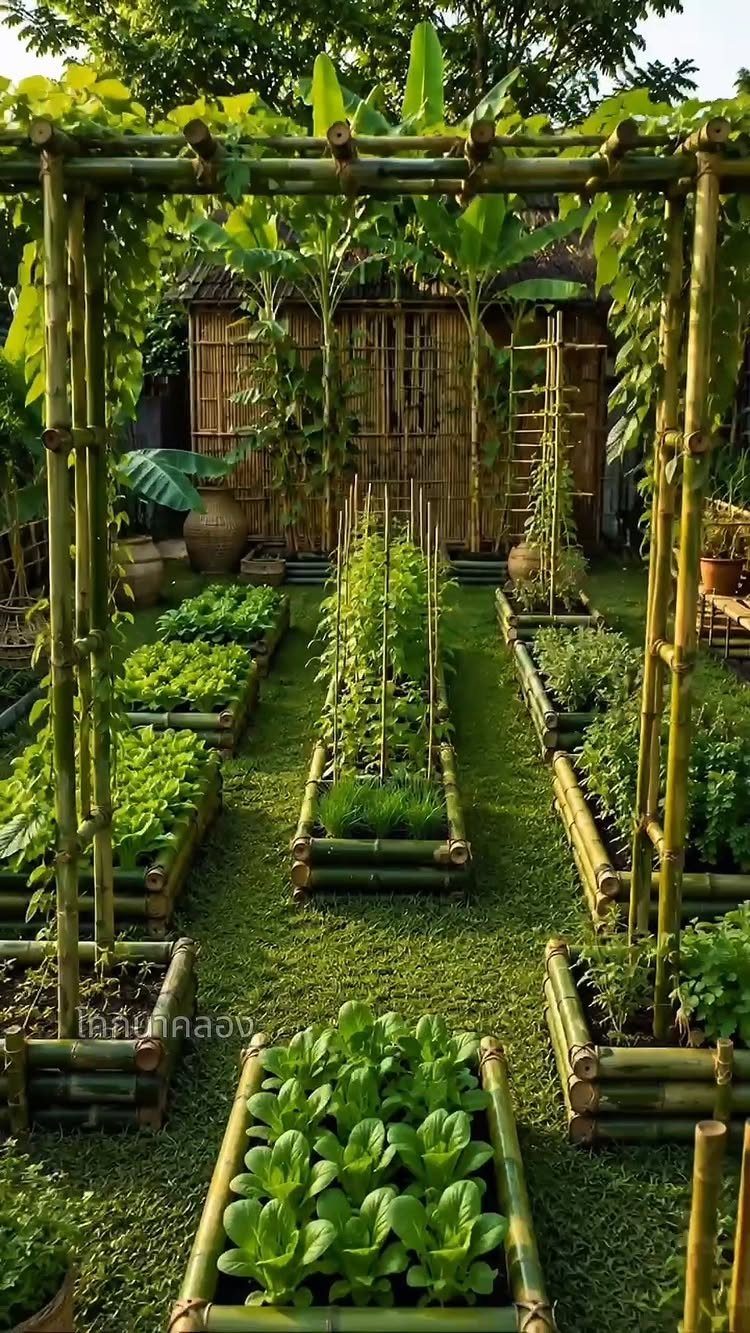
Bamboo poles lashed into rectangular boxes give you a raised bed that looks at home in a garden already full of green. The material is light to move and fast to replace when a pole eventually splits.
The lashings are the weak point. Nylon cord outlasts twine by years, and checking them each spring takes almost no time.
Overhead bamboo trellises work the same way; match the pole diameter to the weight of what you grow, or the beans will pull the whole frame down by July.
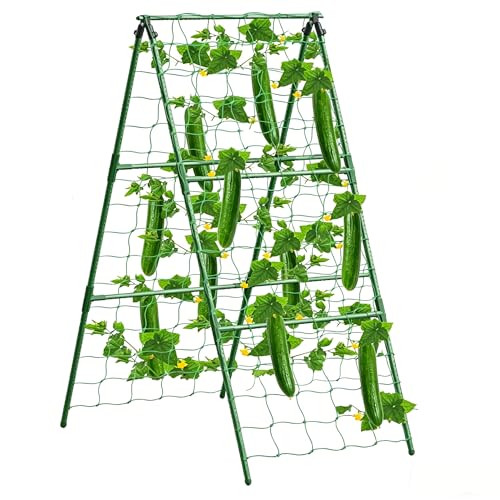
【Package included】:This Trellis for Climbing Plants Outdoor comes complete with everything you need to get started: 17pcs metal stakes, 8pcs T shape connect pipe, 2 A-shaped connectors, and a 0.9x1.8meter plant net.

【Rust-Proof Sturdy Tomato Cages】Built with heavy-duty thickened metal steel core (not solid metal ) and protective plastic coating. The plastic coating resists rust and prevents overheating, protecting climbing vines from scorching summer sun. Our metal square tomato stakes combine high strength and stability with a sleek, practical design, delivering long-lasting durability to support your plants.

ADJUSTABLE HEIGHT: You can flexibly adjust the height of tomato trellis according to plant growth, from 15.7 inches to 51.2 inches to achieve optimal plant growth and stability.
11. Raised Bed Trellis Setup
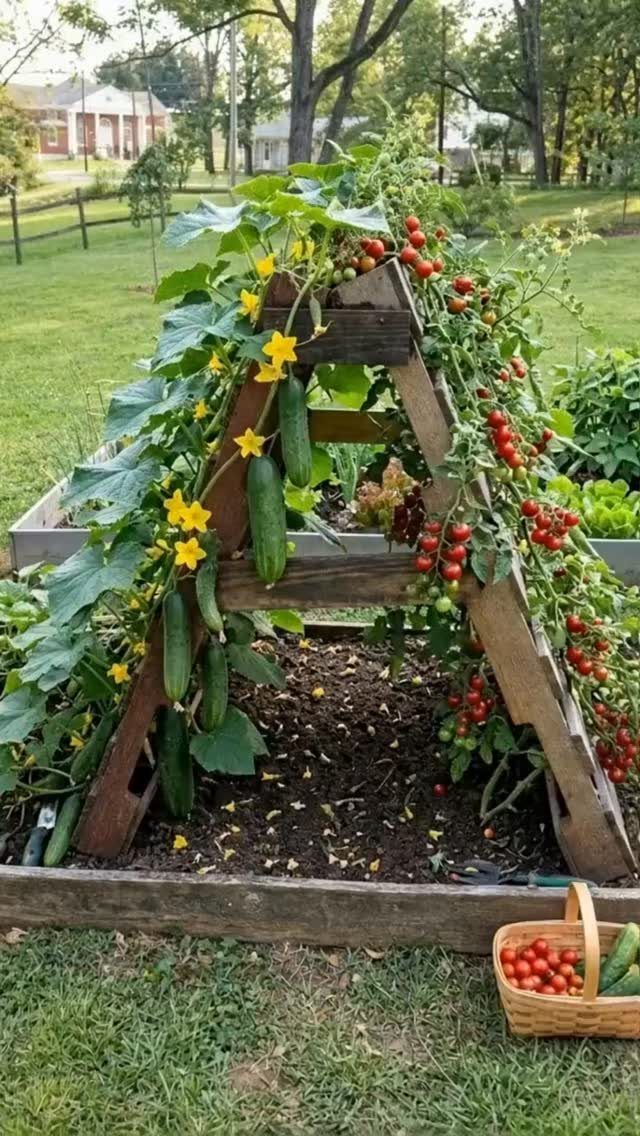
An A-frame trellis set inside a raised bed turns one box into two crops: cucumbers or tomatoes above, and whatever greens tolerate shade below. The wood frame leans against itself, so it needs no posts sunk into the ground.
The angle of the legs decides how the vines climb.
Too steep and the fruit hangs where you cannot reach it; too shallow and the frame blocks rain from reaching the bed behind. I set mine at a steep angle and check the tension on the cross wires each season.
12. Fabric Grow Bag Garden
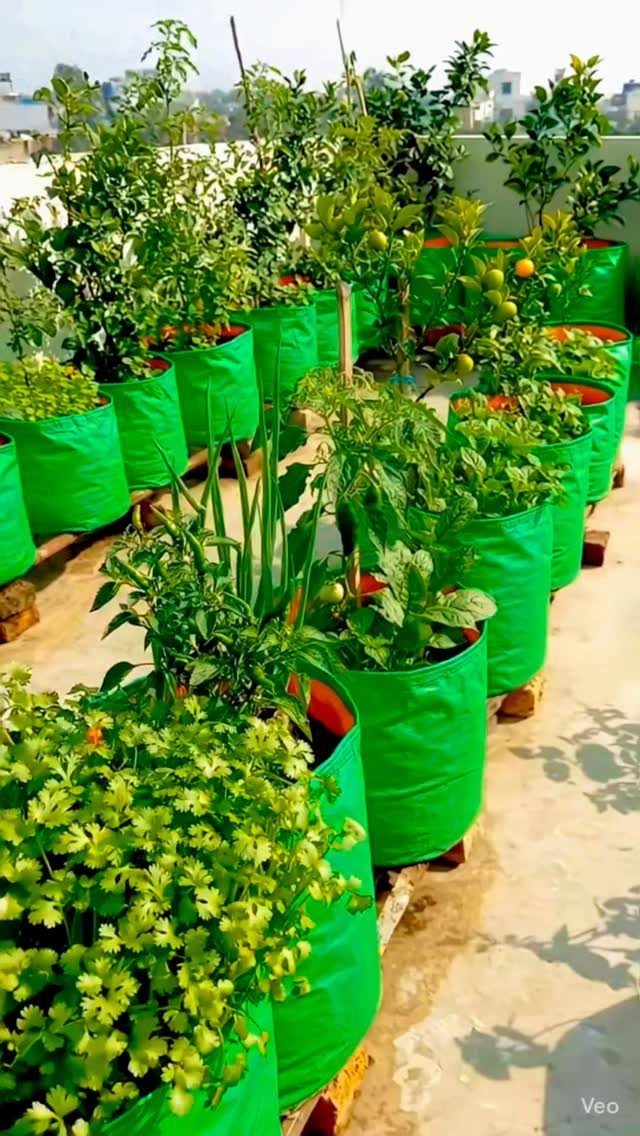
Fabric grow bags lined up on a patio or rooftop let you garden where there is no soil at all. The green fabric is engineered plastic, porous enough that roots get air and water drains through the sides.
The size to know is 4 feet across at the largest, more container than bed.
I move mine to follow sun, which is the real advantage; a bag with a small tree gets heavy, so plan your layout before you fill it.
They are cheap enough to try before committing to permanent beds, and they stack flat come winter.
Watering Techniques
Soaker hoses or drip irrigation belong directly on the bed, not hung above it. Overhead sprinklers work, but wet foliage spreads disease faster than dry leaves, so I reach for them only when time is short.
A raised bed that sits higher off the ground drinks more than one hugging the soil line. I check the top inch with my finger; if it is dry, the bed needs water even when the surface below looks fine.
A watering can still earns its keep. It is slower, but it gets you close enough to notice problems early, and the exercise is real.
Soil Quality
The mix to aim for is roughly half to two-thirds topsoil and one-third to half plant-based compost. If your topsoil runs heavy on clay, work in compost or shredded leaves until the texture loosens.
Calling a local yard for a bulk drop saved me almost half what the garden center bags would have run.
Loam or sandy loam is what you want; bags marked heavy clay or straight sand stay on the shelf. Bagged "raised bed mix" works if bulk is not an option.
Too much compost backfires.
Skip potting soil entirely; it is built for containers and dries too fast for beds. Manure packs phosphorus, so I only work it in when my test kit shows the level running low.
Maintenance Practices
Quality materials and solid construction buy you decades of structural peace. The maintenance that remains is for the plants, not the frame.
Weeding, mulching, and pest control keep yields up.
Weeds compete for water and nutrients you paid for, so pulling them early pays back double. Mulch after watering to slow evaporation and buy yourself days between checks.
Drainage matters more in raised beds than it looks.
Water deeply, then let the soil dry between rounds; shallow frequent watering trains roots shallow and wastes your time. If your yard holds puddles after rain, a base of coarse gravel buys you drainage insurance.
Contaminants: If the soil is contaminated with lead or other heavy metals, growing in raised beds can help reduce the risk. For more information, watch the Extension video about lead in gardens ( 2020; 3:38).
Accessibility Considerations
Height is where accessibility lives or dies. Twenty-seven inches is the working height that keeps a wheelchair user’s arms and shoulders level.
Children need the opposite problem solved: lower sides they can lean over without climbing.
If your bed sits on pavement or another heat sink, raising it a foot or two above the usual few inches cuts the stress on roots and knees alike.
Width matters as much as height.
A bed you cannot reach the center of is a bed half-planted or half-weeded. Keep the span narrow enough that every inch is within arm’s reach from one side or the other.
Frequently Asked Questions
What do I put on the bottom of a raised garden bed?
Hardware cloth or landscape fabric goes on the bottom of an open raised bed. The fabric keeps soil from washing out in heavy rain and blocks weeds, while hardware cloth stops mice and chipmunks from tunneling up into your plants.
A raised planter box with a solid base sitting on concrete or pavers needs drainage holes drilled through the bottom, or the roots will sit in water and rot.
What vegetables should not be grown in a raised bed?
Sprawlers like squash, melons, and sweet corn need more room than a raised bed gives. I skip the melons and put them in open ground where they can run.
How do you start an above ground garden?
Six hours of sun is the minimum, and the frame should be narrow enough to reach across from either side; I fill mine with about two parts topsoil to one part compost.
Bagged soil adds up fast; a call to a local landscape yard for bulk delivery cut my soil costs by close to half.
What vegetables can grow above ground?
Lettuce, greens, radishes, strawberries, and bush-type vegetables like tomatoes, cucumbers, and beans all thrive in raised beds. The amended soil and denser planting work especially well for crops that do not need room to sprawl.