
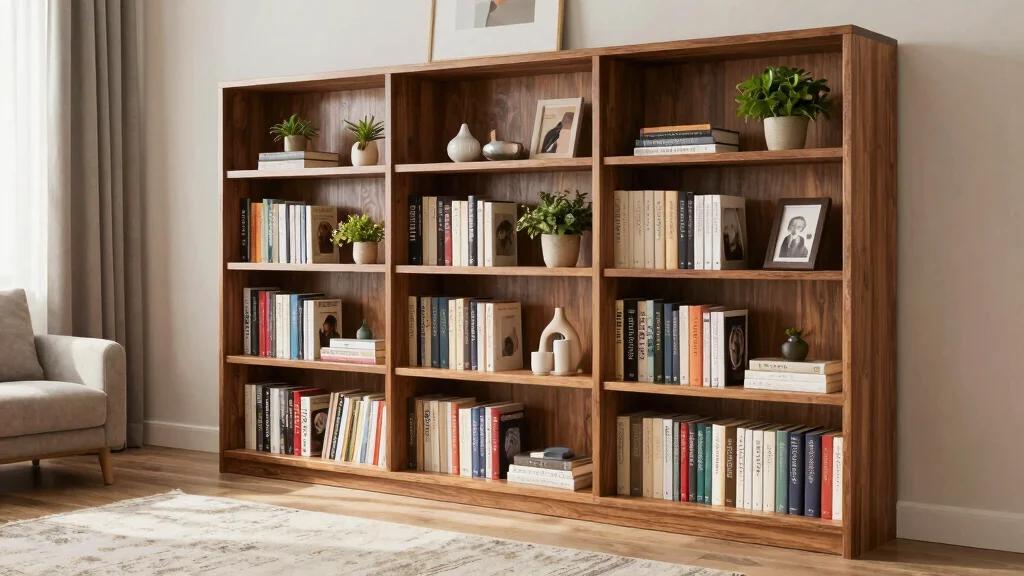
Creating a stylish open bookshelf can feel like a daunting task. You might be overwhelmed by choices or unsure how to mix function with aesthetics. I crafted this guide to share effortless open bookshelf styling ideas that will transform any shelf into a beautiful focal point in your home. Whether you want to showcase your favorite books, display decorative items, or simply tidy up your space, these ideas will help you create a perfectly curated look.
If you are someone who loves home decor and minimalism, you’ll find this post especially useful. This guide is for homeowners, apartment dwellers, or anyone looking to elevate their space without clutter. You’ll discover tips that are not only stylish but also practical, making your home feel more organized and welcoming.
In this article, I’ve compiled 15 open bookshelf styling ideas that are chic, easy to implement, and perfect for any minimalist design. You’ll learn about layering colors, incorporating natural elements, and arranging books in a way that enhances your space. Each idea is aimed at helping you create an inviting atmosphere while keeping things simple and manageable. Let’s dive in and explore how you can style your bookshelf effortlessly.
[link-whisper-related-posts]Key Takeaways
– Layered Color Palette: Use a mix of colors that complement each other to create visual interest without overwhelming the space. Consider adding accents of your favorite hues through book covers or decorative items.
– Natural Elements: Incorporate plants or wooden accessories to bring a touch of nature into your bookshelf. This not only adds texture but also creates a calming atmosphere in your home.
– Minimalist Book Arrangement: Stick to a few well-chosen books displayed in a tidy manner. Use vertical and horizontal stacking to create a dynamic look while keeping clutter at bay.
– Themed Styling: Choose a central theme for your bookshelf, such as travel or art, to create a cohesive look. This helps guide your choices and makes your collection feel more intentional.
– Creative Space Use: Think outside the box with how you utilize your shelves. Consider adding decorative baskets or boxes for storage that also serves as style elements.
1. Layered Color Palette
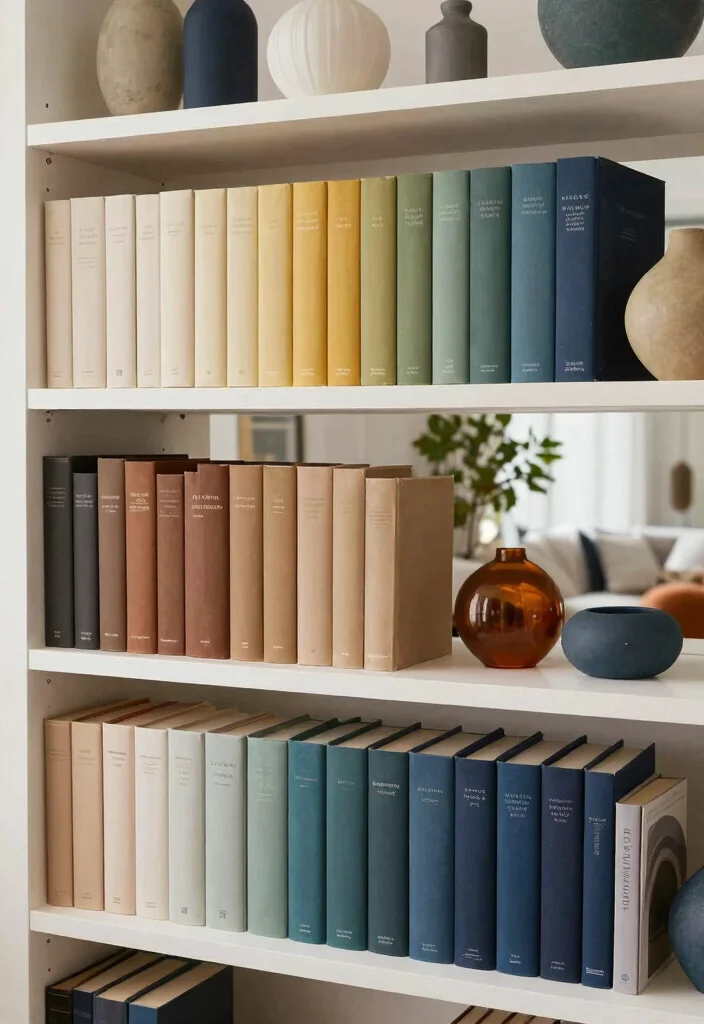
A layered color palette can breathe life into your bookshelf, creating a stunning visual experience. By arranging books with spines that share similar hues, you form a captivating gradient that draws the eye and adds depth to your decor.
Complementing this arrangement with decorative pieces that echo these colors, like ceramic vases or small sculptures, elevates the overall aesthetic while maintaining an air of sophistication. Here are some ideas to help you master this technique:
– Group books by color, arranging from light to dark for a seamless gradient effect.
– Incorporate decorative accents that reflect the book colors, such as a soft blue vase with pale blue books.
– Use books of varying sizes to create an asymmetrical look, breaking up monotony in the arrangement.
This method not only organizes your books but also becomes a striking visual focal point in any room.
Fun fact: with open bookshelf styling, a layered color palette can create a gradient that makes a small room feel up to 20% bigger. Pairing spines and decor in related hues adds depth, while a few contrasting pieces pull the eye without shouting.

Get Ready To Impress: Transform your space into a realm of sophistication with these realistic decor books! The lovely decorative books are destined to steal the spotlight as coffee table decor or bookshelf decor, leaving your guests in awe of your aesthetic taste

Beautifully Master the Art of Organizing: Sleek, structured and designed to organize everything from photos and postcards to scrapbook treasures, ZICOTO’s decorative storage boxes with lids are made to keep your world tidy in style!
2. Natural Elements
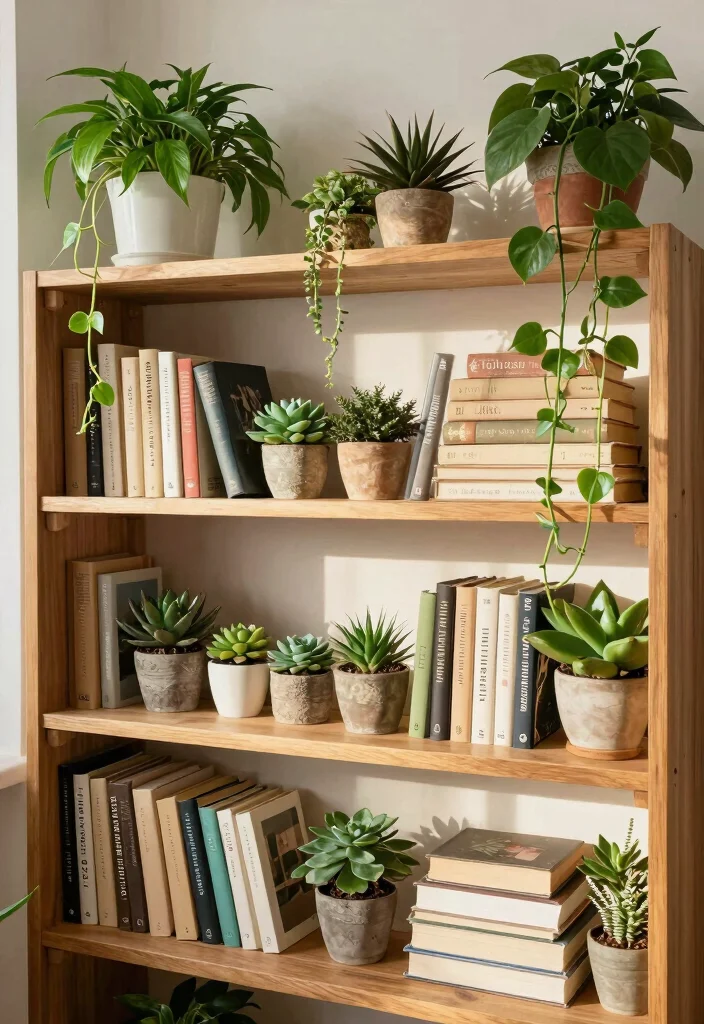
Integrating natural elements like plants and wood into your bookshelf design can infuse your space with vitality and a sense of calm. Greenery not only introduces color but also promotes a tranquil atmosphere that makes your bookshelf inviting.
Opt for low-maintenance plants, such as succulents or trailing vines, to effortlessly enhance your decor. Here are some tips to incorporate nature into your bookshelf styling:
– Place small potted plants or terrariums on your shelves for a refreshing touch; cascading plants create a lovely waterfall effect.
– Mix natural wood bookshelves with decorative pieces made from organic materials, like stones or ceramics, to achieve an earthy vibe.
– Position your bookshelf near a window to provide ample natural light for your plants.
This combination of books and nature fosters a cozy atmosphere, perfect for enjoyable reading moments.

Designer Aesthetic & Realistic Texture: Elevate your space with these upgraded decorative books wrapped in premium faux linen. Featuring textured page edges and gold foil "Van Gogh" stamping, they look exactly like real hardcover art books that blend seamlessly with your collection—guests won't even notice they are faux boxes. Perfect faux books for coffee table styling or adding a modern farmhouse touch to any room. No assembly is required—they arrive ready to style right out of the box.

Our Natural handmade craft Decorative wooden holder made of Mango Wood. The shape of "X" is steady and can serve you for a long time. The textbook holder helps you keep your books stable, so you can do other things while reading your stories or recipes.
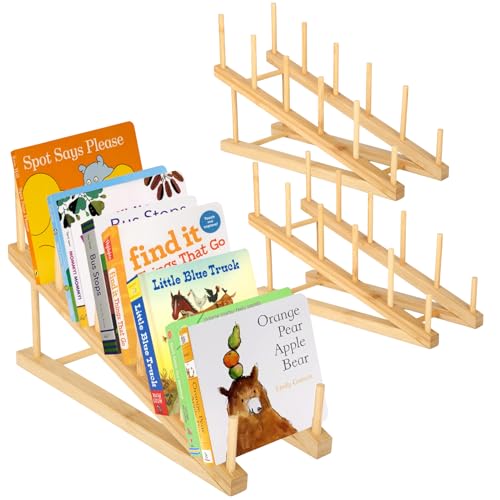
Product Specifications: This set includes three book stands for display, measuring approximately 11.8 x 7.5 x 4.5 inches. These stands are compact, lightweight, and easy to carry or move, making them an ideal solution for fostering a reading habit and keeping books neatly organized.
3. Minimalist Book Arrangement
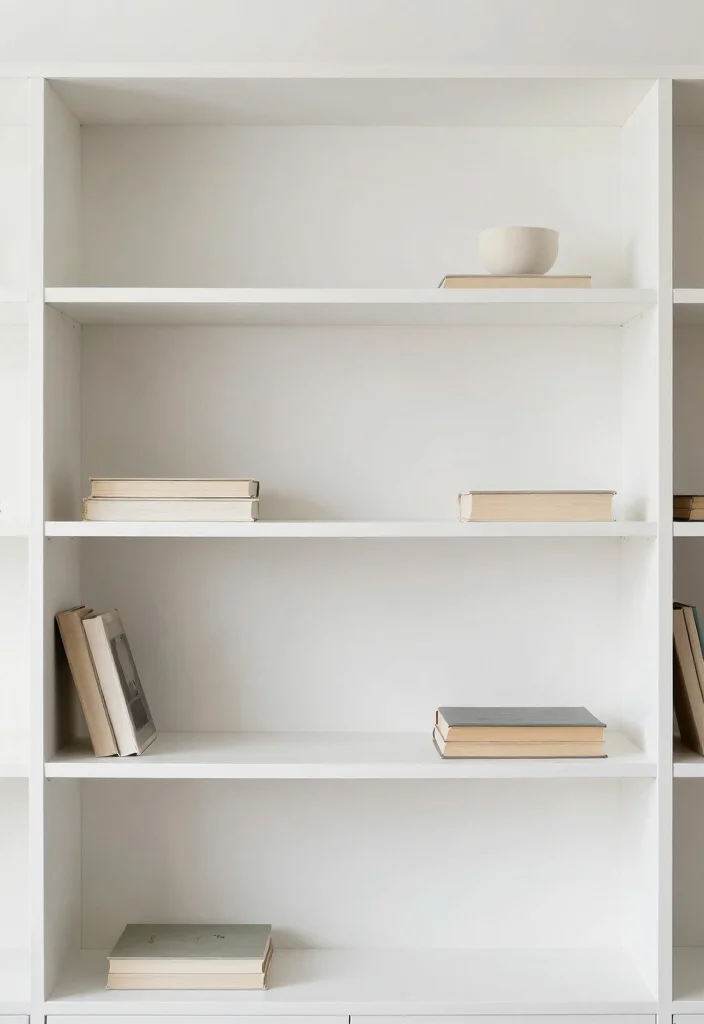
Embracing a minimalist book arrangement can create a sense of sophistication and tranquility in your space. By showcasing a select few books and carefully chosen objects, you cultivate a serene environment that speaks volumes.
Highlight standout pieces that reflect your personal style or interests. Here’s how to achieve this minimalistic look:
– Limit items on each shelf, allowing space for the eye to rest; choose only items that resonate with you.
– Stick to uniform book sizes for a streamlined appearance, enhancing organization.
– Introduce open spaces to create a sense of breathability, allowing each piece to shine.
Minimalism is about making intentional choices that elevate your decor while keeping your space uncluttered.

【Ceramic Vase 4-Piece Set Dimensions】 Four thoughtfully designed sizes cater to diverse decor needs: Diameter x Height: 3.23’’ x 10.24’’, 3.23’’ x 6.89’’, 4.13’’ x 5.71’’, 4.13’’ x 3.74. The tiered arrangement complements displays in any space.

【Perfect Size】Measuring 6.3 inches wide and 7.4 inches high, ideal for both fresh and artificial flowers.

VERSATILE SET: Collection includes 4 uniquely shaped ceramic vases in complementary neutral tones and peachy hues for a cohesive look
4. Themed Styling
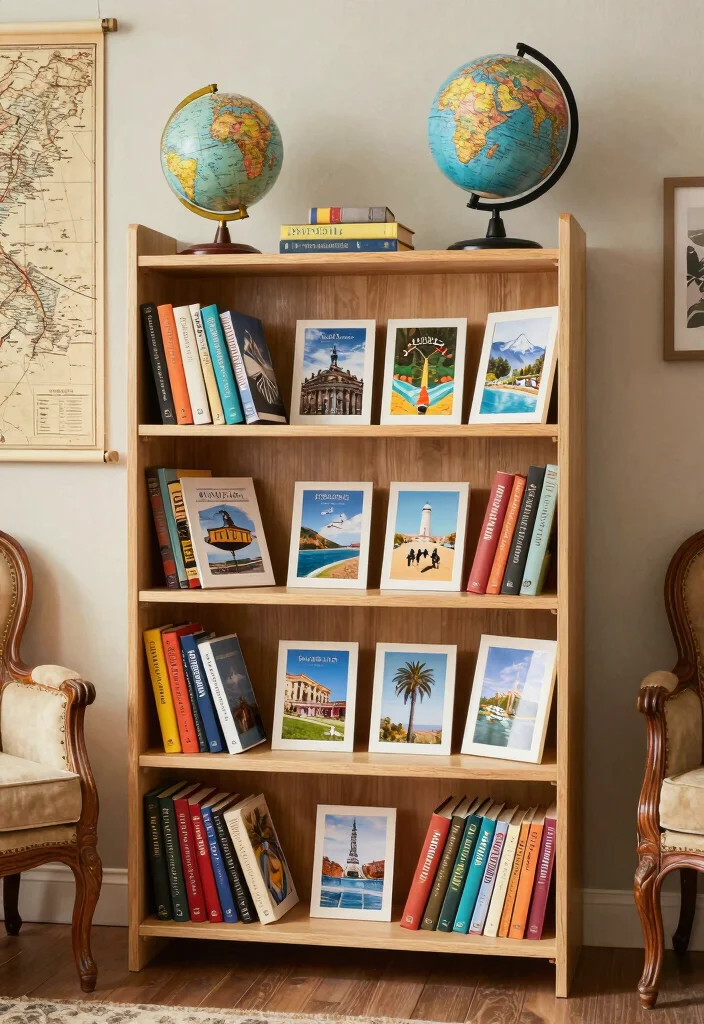
Creating a themed bookshelf can tell a story and make your arrangement more engaging. Whether you focus on travel, art, or a cherished hobby, let your passions shine through.
Here are some tips to bring your themed bookshelf to life:
– Curate your book selection to reflect your theme, showcasing travel guides, novels set in exotic locales, or art books by your favorite artists.
– Add related decorative elements, like a globe for a travel theme or framed artwork for an art-centric display. This ties everything together beautifully.
– Utilize color and texture to enhance your theme; warm tones can evoke adventure while softer shades suggest tranquility.
Themed styling invites guests to explore your interests and infuses your space with personality.

Small Space Greenery: These small faux plants indoor bring fresh-looking greenery to desks and compact surfaces without taking over your space. Soft foliage fills empty corners with a clean, finished look for everyday plant decor.

Compact Size, Perfect for Any Space: Velener potted small fake plants indoor with pot measures 3.2*3.2*8.4 inches and fits every space. Designed with flexible stems, the eucalyptus branches can be shaped and fluffed to achieve your ideal look, adding a natural, full appearance that suits any style of decor.

Home decor building set for adults – Take time out or join friends and family for a relaxing building experience with the LEGO Icons Tiny Plants building set
How To Choose the Right Open Bookshelf for Your Home
Choosing the right open bookshelf can elevate your home’s decor while providing essential organization. Follow these criteria to find the perfect piece that meets your needs and complements your style.
1. Size Matters
Before you start shopping, measure the space where your bookshelf will go. Consider both the height and width of your desired bookshelf. A tall, narrow bookshelf can fit into tight corners, while a low, wide one can act as a room divider. Ensure there’s enough space for books and decor without making the room feel cramped.
2. Material Choice
Bookshelves come in various materials like wood, metal, or glass. Wooden bookshelves offer warmth and a classic look, while metal ones can give a more modern vibe. Glass shelves provide an airy feel but require more upkeep to keep clean. Pick a material that matches your decor style and is sturdy enough to hold your books and decorative items.
3. Style Compatibility
Consider how the bookshelf will fit within your existing decor. Minimalist designs feature clean lines and neutral colors, while more decorative styles may have ornate details. Think about whether you want the bookshelf to blend in or stand out as a statement piece.
4. Functionality
Think about how you plan to use your bookshelf. Will it mainly hold books, or will you use it to showcase decorative pieces? If you need storage, look for shelves with adjustable heights or additional compartments. Features like built-in lighting can also enhance the bookshelf’s functionality and ambiance.
5. Budget Considerations
Bookshelves can range from budget-friendly options to high-end designer pieces. Set a realistic budget before you start shopping. Remember that investing in a quality bookshelf can pay off in durability and style. Check for sales or discounts at home decor stores to stretch your budget further.
6. Personal Touches
Finally, consider how the bookshelf will reflect your personality. Look for unique design elements that resonate with you. Whether it’s a specific color, shape, or finish, your bookshelf should feel like an extension of your style and provide a canvas for your decorative flair.
Pro Tip: Don’t forget to visualize the bookshelf in your space! Use painter’s tape to outline the dimensions on the floor, helping you see how it will fit and flow within the room. This can prevent costly mistakes and ensure you choose the right piece for your home.
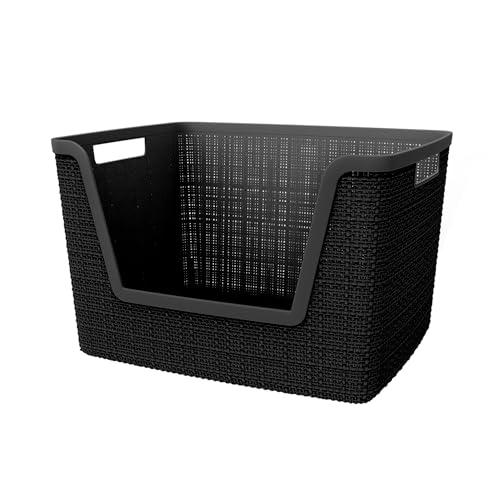
DIMENSIONS: 14.2" L x 10.7" W x 9.1" H | 18 Liters | Set of 4

Versatile multi-purpose storage items with a coordinated look

Dimensions & Size: These storage baskets have outside dimensions of 14" x 11 1/2" x 8 1/2", providing versatile storage solution for controlling clutter around the home.
5. Mix and Match Textures
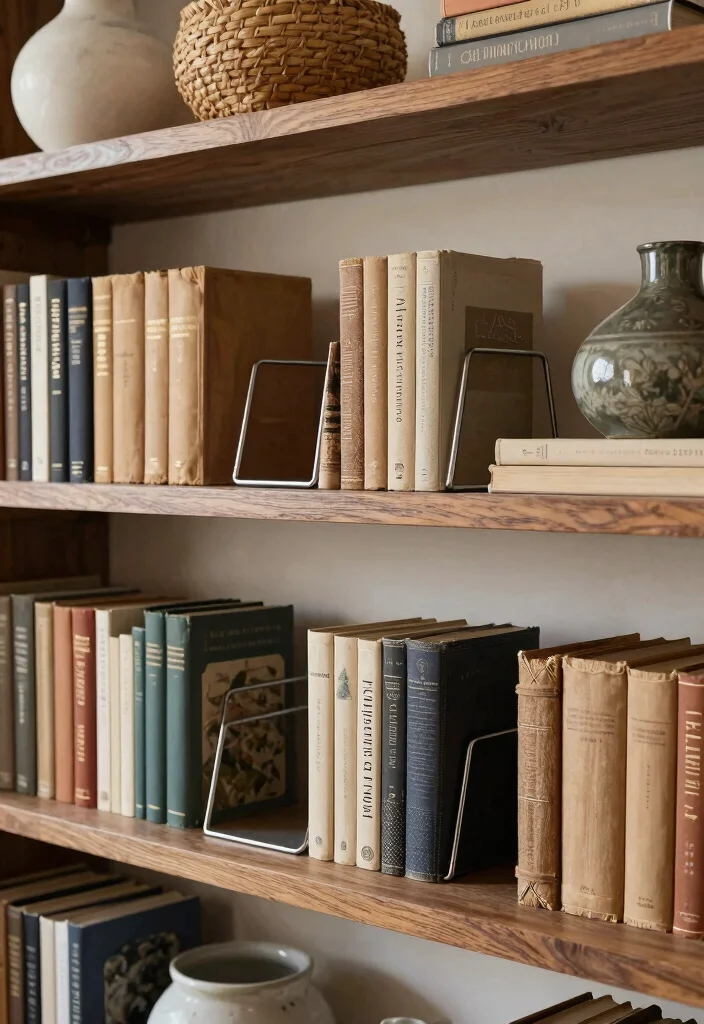
Incorporating diverse textures into your bookshelf can create visual interest and depth. This approach can effectively blend materials like wood, metal, and fabric for a rich aesthetic.
To mix textures successfully, consider these tips:
– Use woven baskets or fabric bins to store smaller items, adding a tactile contrast to rigid books.
– Introduce metallic accents, such as sleek metal bookends or sculptures, for a modern twist that elevates the overall design.
– Experiment with different materials, like glass, ceramic, and stone, to keep your arrangement dynamic and engaging.
This eclectic mix creates a captivating tapestry that entices viewers to take a closer look.

Elegant Decorative Books With Hidden Storage:Designed to resemble stylish hardcover books, this decorative storage box set blends seamlessly into coffee tables, bookshelves, consoles, and desktops while discreetly concealing everyday essentials. A perfect balance of beauty and functionality for modern living spaces.

Decorative Book Boxes with Modern Aesthetics – Ideal for Coffee Table Decor. Transform your home with these elegant decorative book boxes featuring embossed titles of London and New York. Designed as aesthetic faux books, they elevate any living room, office, or entryway. Whether used as fake coffee table books or shelf decor, they bring sophistication to your home decor and pair effortlessly with modern, neutral, or boho themes.

Decorative Faux Books Set Set of 3 decorative faux book boxes adds a layered book decor accent to coffee tables, bookshelves, mantels, entryway tables, and trays
6. Decorative Bookends
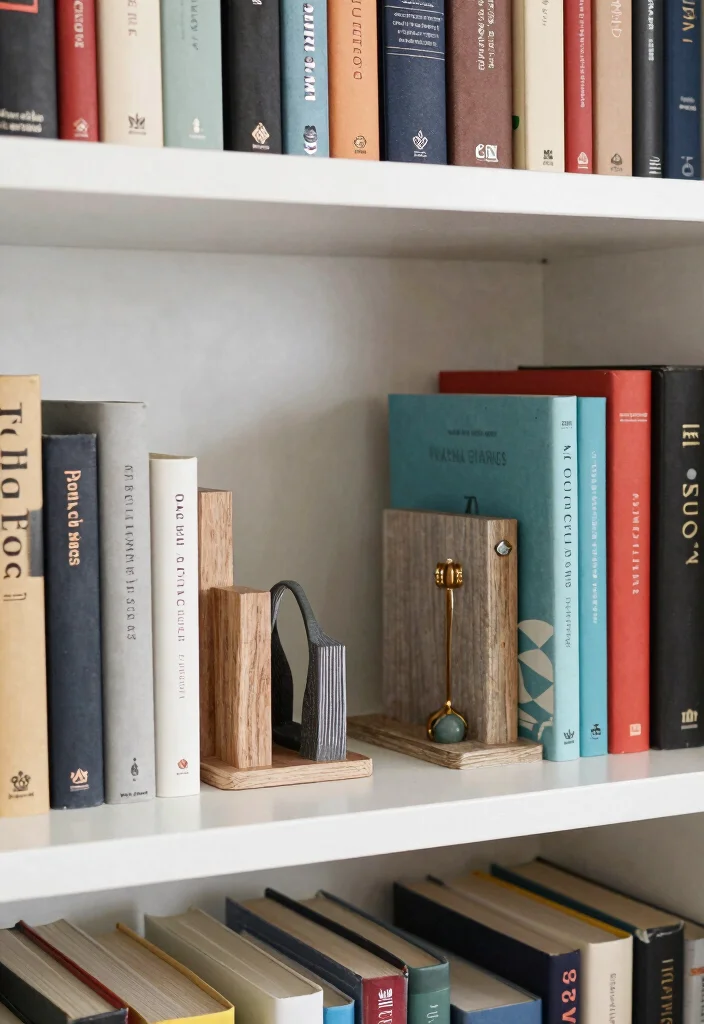
Decorative bookends serve a dual purpose: they keep your books organized while enhancing the visual appeal of your bookshelf. Choosing the right styles can elevate your decor significantly.
Here’s how to select and position bookends effectively:
– Look for unique bookends that reflect your personality, whether they are sculptural, geometric, or themed around your interests.
– Position them strategically for balance; heavier bookends work best for larger books, while lighter ones suit smaller paperbacks.
– Consider bookends that incorporate materials like wood or metal for an interesting mix of textures.
The right bookends can transform your bookshelf into a cohesive piece of art that catches the eye.

Super High Quality Material: Our 6 inch metal plate stands for display are crafted from sturdy and thick iron wire, ensuring long-lasting durability. This robust design guarantees that your collectibles and artworks are securely held without the risk of bending or falling, making it an ideal plate holder for displaying your favorite items
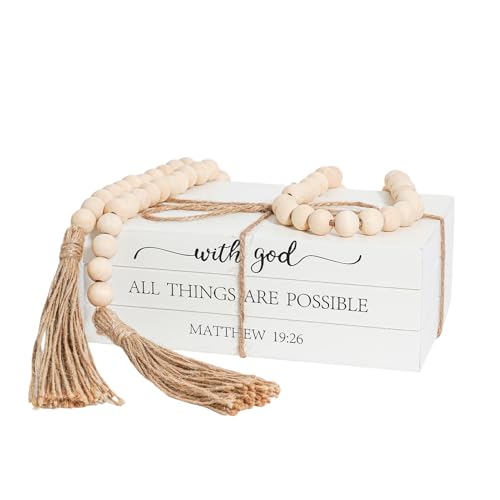
SIZE: The decorative books measures about 8.3 x 5.5 x3 inches. Please confirm the product dimension before purchasing

Lightweight And Durable: Made of high-strength aluminum alloy, it is both light and stable
7. Incorporate Personal Touches
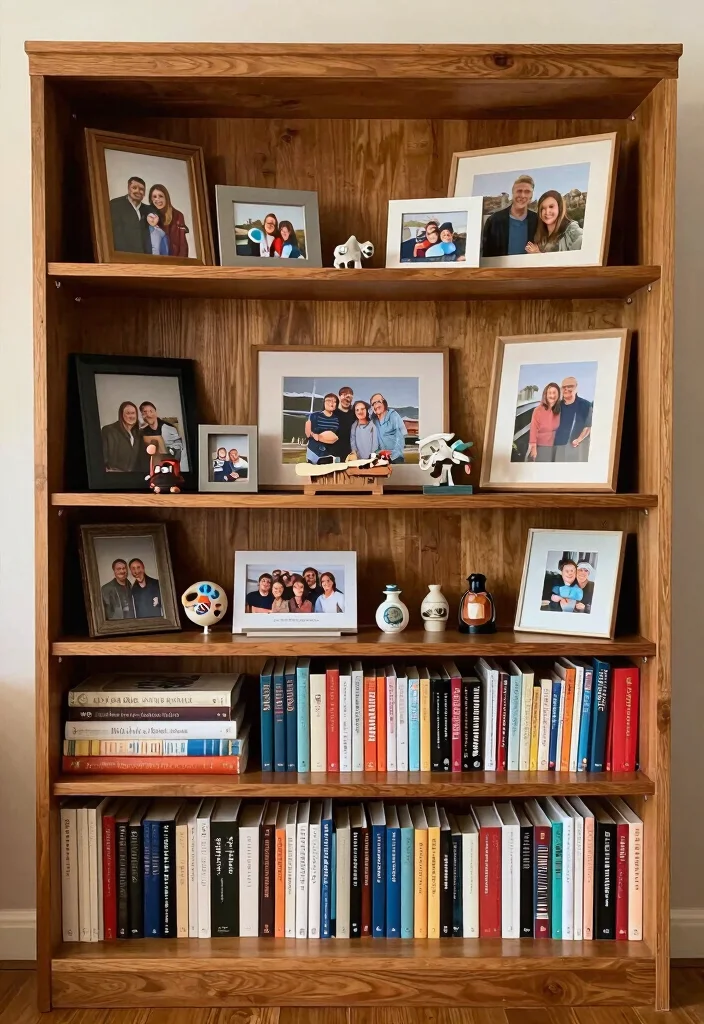
Adding personal touches to your bookshelf can infuse it with character and spark conversations. Displaying family photos, souvenirs, or personal artwork can make the space uniquely yours.
To effectively incorporate these elements, consider:
– Choosing items that tell a story or hold sentimental value, such as a framed photo or a travel memento.
– Balancing personal items with books to avoid clutter; a few key pieces can make a significant impact.
– Designating smaller shelves for personal items, allowing the books to remain prominent.
These personal touches turn your bookshelf into a meaningful reflection of your life, showcasing what you cherish most.

【Size】The size of these vases are: high one is 9.05"H x 3.35"D,Middle one is 6.89"H x 4.25",Small one is 5.12"H x4.13",Please read the size before purchasing.
8. Use Space Creatively
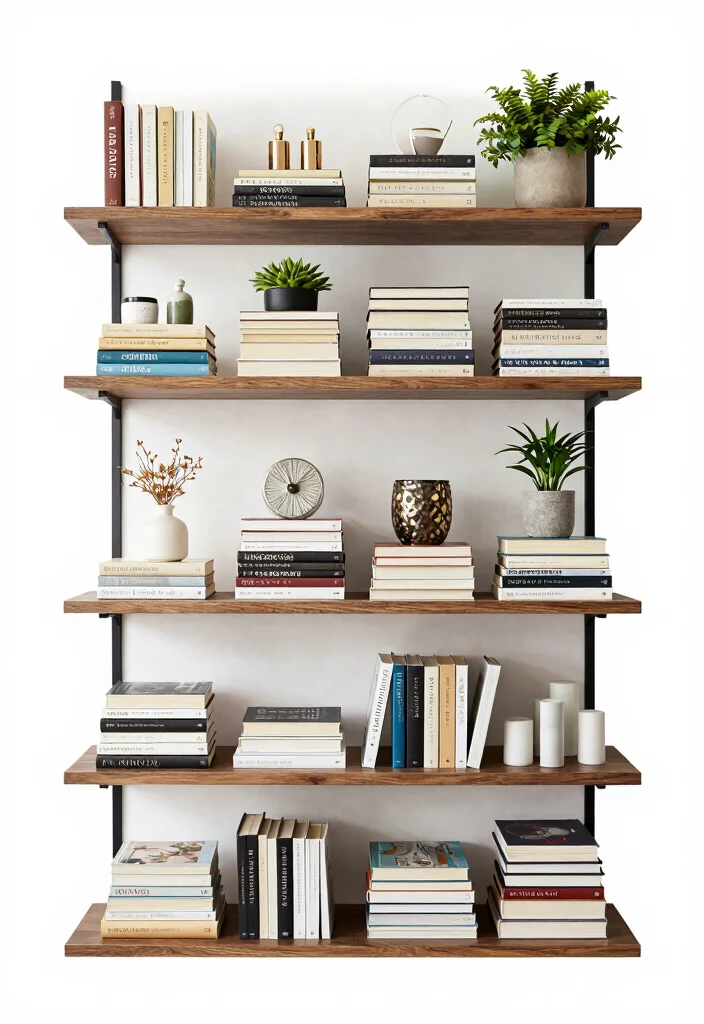
Maximizing vertical space is key when styling an open bookshelf. Utilizing height draws the eye upward and creates an illusion of more space.
Consider these creative ideas for space utilization:
– Arrange books both vertically and horizontally; stacking books horizontally creates platforms for decorative items and shortens the appearance of taller shelves.
– Hang art or small planters from the shelf above, linking the two areas creatively and making effective use of wall space.
– Install floating shelves above your main bookshelf for added storage without occupying floor space.
By creatively using space, your bookshelf can become a dynamic element of your decor.
9. Seasonal Rotations
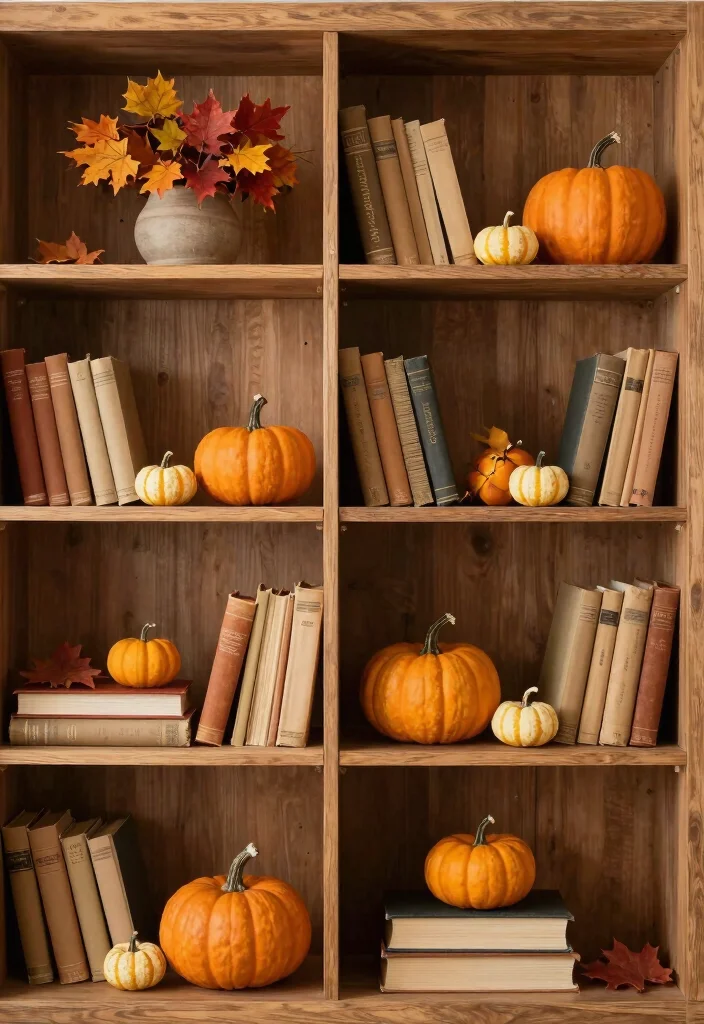
Embracing seasonal rotations keeps your open bookshelf fresh and exciting. Changing decor and books according to the seasons reflects the shifting atmosphere outside.
Here’s how to rotate your decor effectively:
– Choose a few key seasonal items to add each time, like autumn leaves or spring flowers for a refreshing update.
– Rotate not just decor but books as well—put away winter reads and bring out summer novels for a vibrant change.
– Consider the seasonal color scheme when decorating; warm tones for fall and cooler shades for summer enhance the ambiance.
Seasonal rotations keep your bookshelf lively and highlight your creativity throughout the year.
10. Artistic Displays
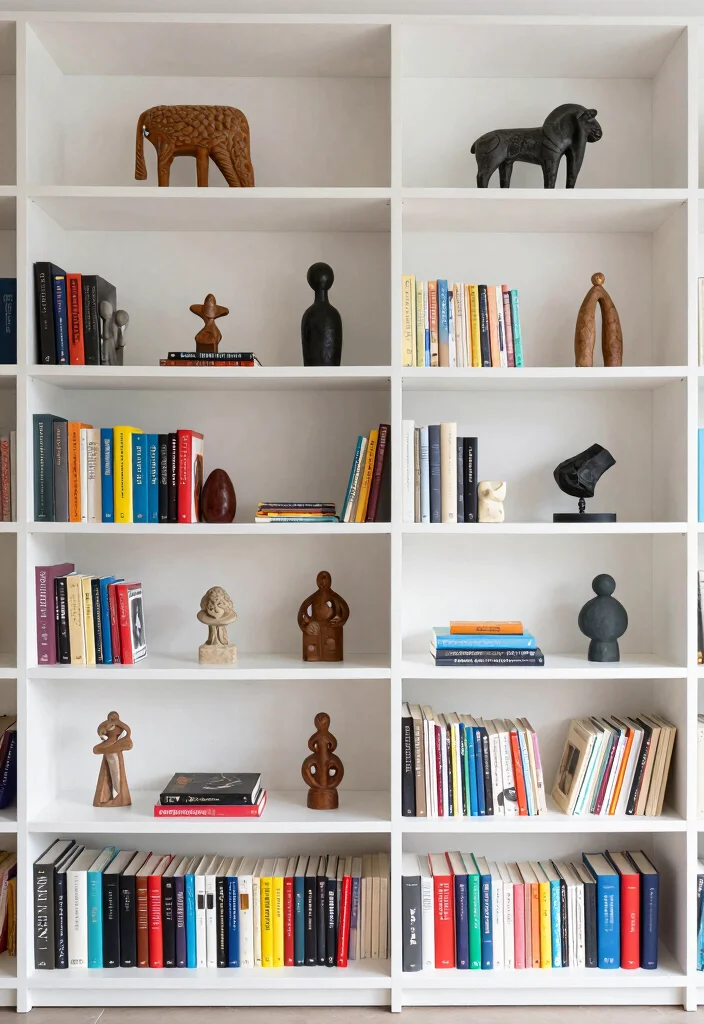
Transforming your bookshelf into a canvas for artistic displays can create a captivating visual experience. This approach offers a gallery-like feel, perfect for art enthusiasts.
Here are tips to incorporate art into your bookshelf:
– Select art pieces, such as sculptures or framed works, that complement your book colors, fostering harmony in your arrangement.
– Use the shelves to showcase favorite art books alongside your cherished artworks, mixing genres for a fresh look.
– Pay attention to the height of items—position taller pieces at the back and shorter ones in front for an appealing layering effect.
Artistic displays inspire creativity and conversation, making your bookshelf an engaging focal point.
11. Vintage Finds
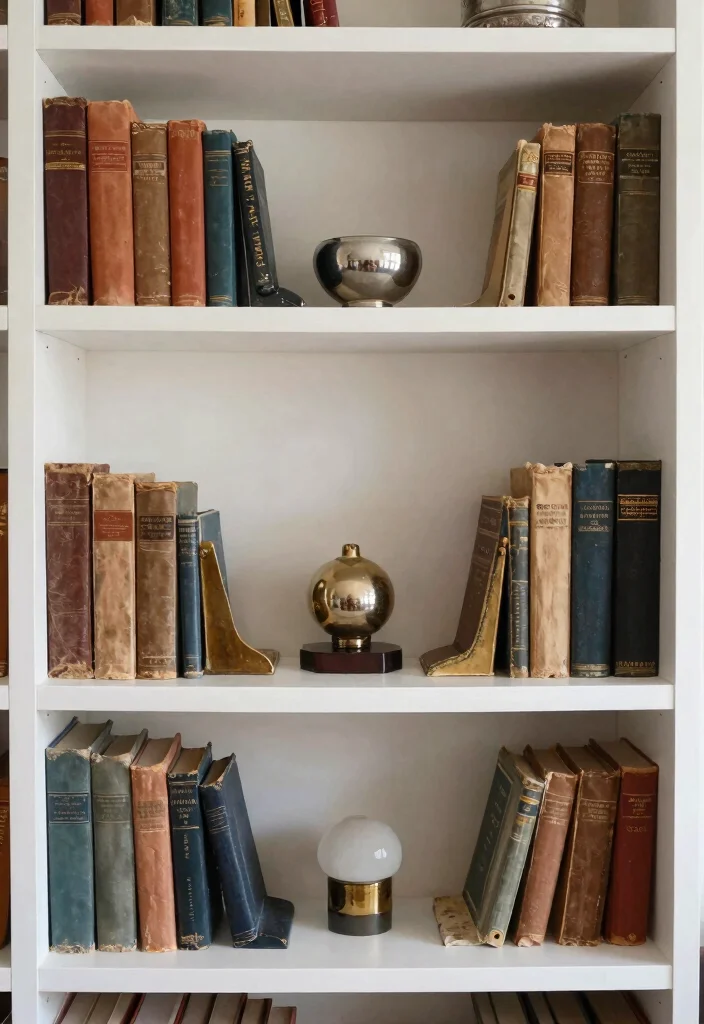
Integrating vintage finds into your open bookshelf can add charm and character to your space. Whether old books, antique bookends, or unique collectibles, these pieces tell fascinating stories.
To effectively incorporate vintage items, consider:
– Mixing vintage pieces with modern decor for a dynamic aesthetic that feels both fresh and timeless.
– Paying attention to the condition of vintage books; worn covers can enhance their character, but ensure they’re presentable.
– Using standout pieces, like an antique globe or vintage clock, as focal points in your arrangement.
Vintage finds not only serve as decor but also act as conversation starters, infusing history into your contemporary living space.
12. Monochromatic Magic
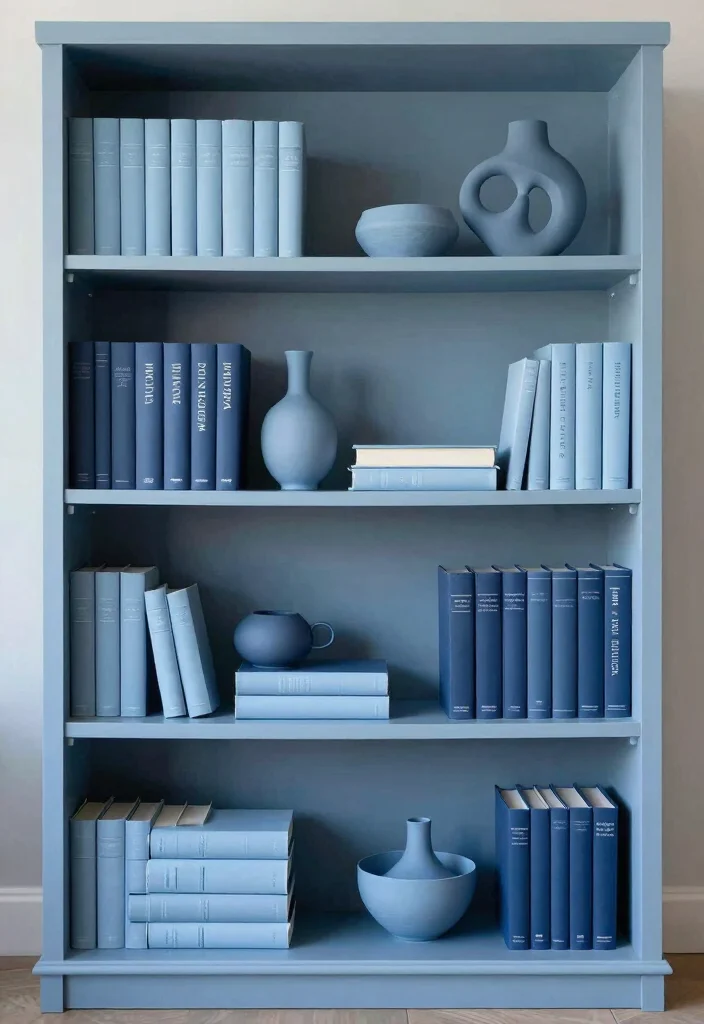
Adopting a monochromatic theme can create a sleek and sophisticated look for your open bookshelf. This approach emphasizes varying shades of a single color, unifying your arrangement.
Here are ideas for achieving monochromatic magic:
– Select a color that aligns with your decor scheme, using varying shades from dark to light.
– Incorporate decorative objects within the same color family; a pale blue book paired with a deep navy vase creates stunning contrast.
– Use texture to maintain interest within the monochrome palette, mixing matte and glossy finishes.
Monochromatic styling offers a chic aesthetic, perfectly suited for modern minimalist homes.
Monochromatic magic proves open bookshelf styling can be bold without loud color. Start with one color family, layer textures, and vary shades; your shelves will feel cohesive and calm in minutes.
13. Minimalist Shelf Styling
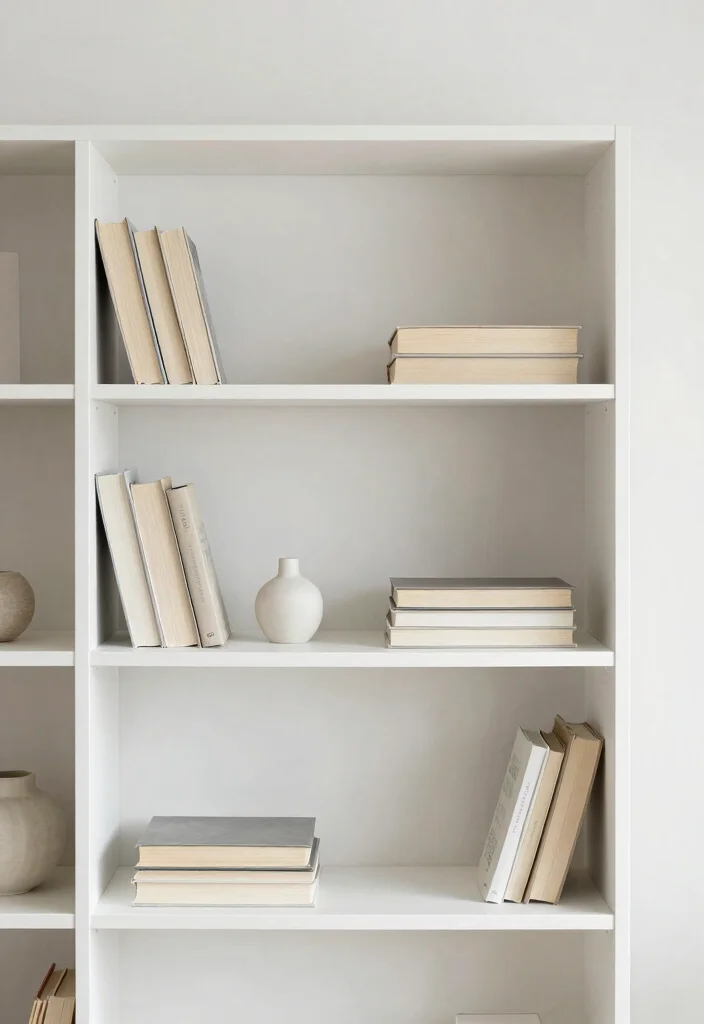
Minimalist shelf styling focuses on simplicity and function, emphasizing a clean aesthetic and decluttered space. This technique is especially beneficial in smaller areas where every item matters.
To achieve minimalist shelf styling:
– Limit the number of books and decorative pieces on each shelf to avoid overcrowding.
– Select versatile decor items that serve multiple purposes, such as books doubling as decoration and storage.
– Maintain a neutral color palette to foster a calming atmosphere, allowing your books to take center stage.
Minimalist styling can transform your bookshelf into an organized and serene space that enhances your home decor.
14. DIY Book Displays
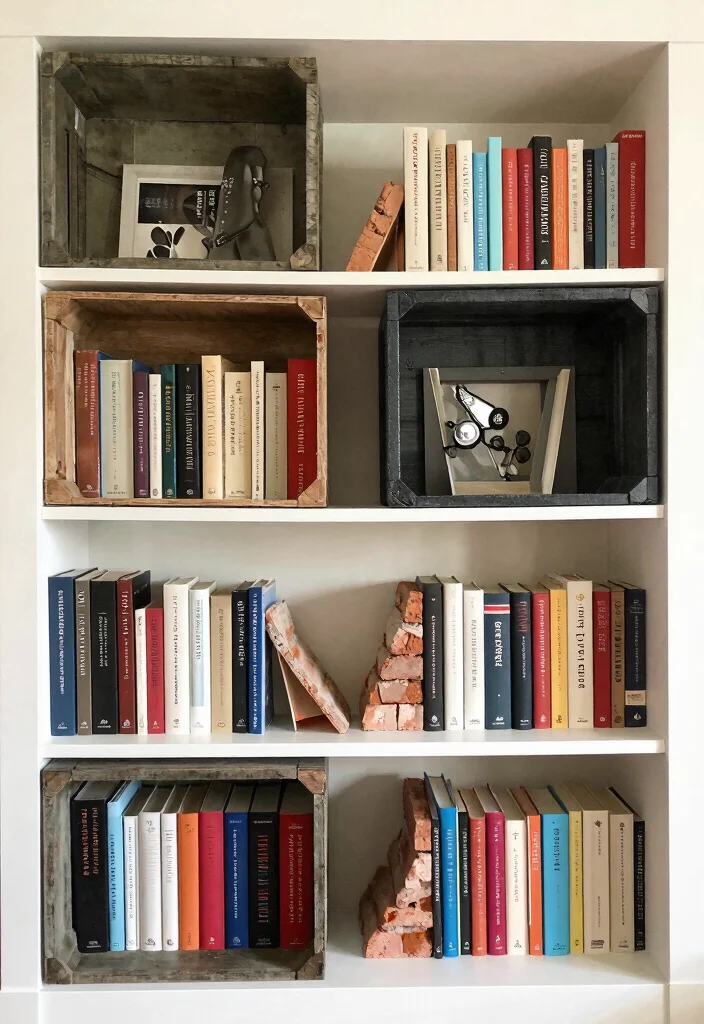
Getting creative with DIY book displays can be both fun and functional. By crafting your own shelves or using found objects as bookstands, you bring personality to your bookshelf.
Consider these DIY ideas:
– Repurpose old crates or wooden boxes as shelves for a rustic touch.
– Create unique bookends from durable materials like bricks or stones for an industrial flair.
– Use fabric or ribbon to craft hanging displays for lightweight books or magazines.
DIY solutions not only save money but also let you showcase your creativity while maintaining an organized space.
15. The Balance of Symmetry and Asymmetry
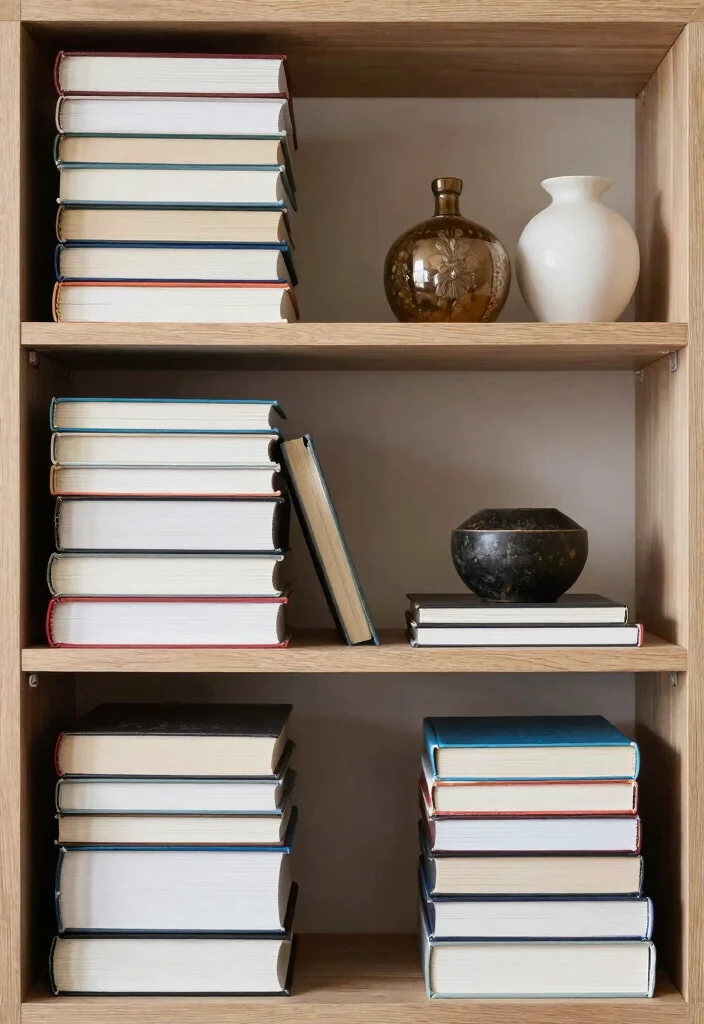
Achieving the right balance between symmetry and asymmetry can elevate your open bookshelf styling. A blend of both can create a harmonious yet dynamic look that captivates.
Here’s how to find that balance:
– Use symmetry for larger items or books to establish a strong visual foundation on your shelves.
– Contrast this with asymmetrical placements of smaller objects and books; for instance, stack books on one side, then place a sculpture on the other.
– Ensure colors and textures tie both sides together, creating a cohesive appearance.
Balancing these two styles makes your bookshelf feel thoughtfully designed and visually pleasing.
Pro Tip: The balance of symmetry and asymmetry is your shortcut to effortless open bookshelf styling. Start with a strong, symmetrical anchor for larger items, then offset smaller objects and textures to keep sightlines fresh and inviting.
Conclusion
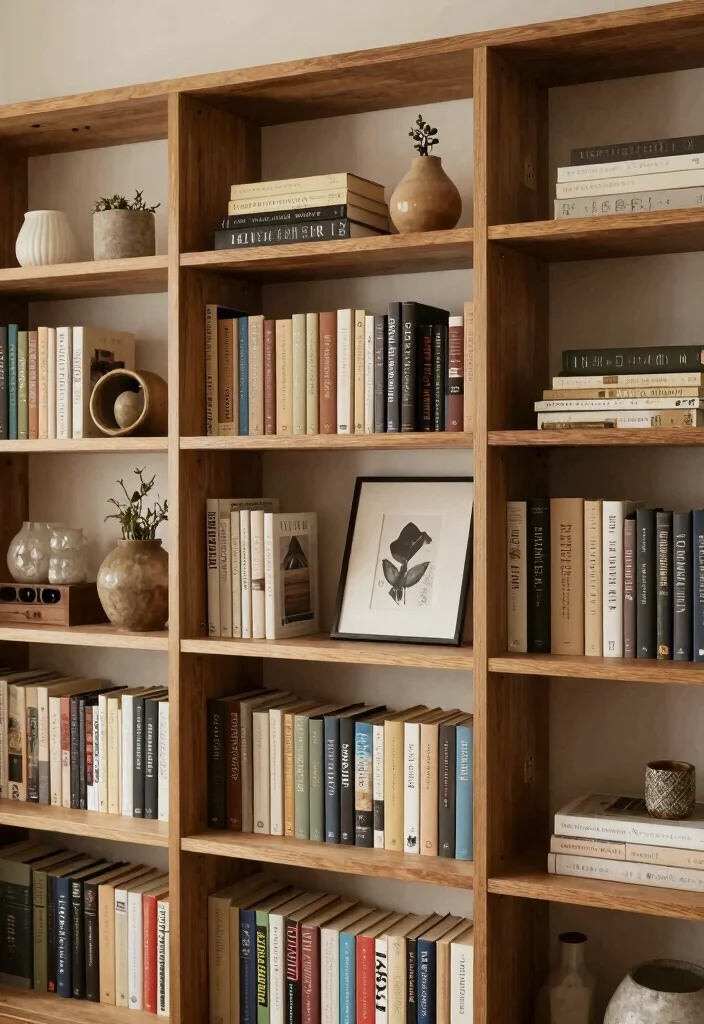
Styling an open bookshelf offers endless opportunities to express your creativity while enhancing your home decor. By incorporating these 15 ideas, you can create a space that is not only visually appealing but also reflects your personality and interests.
Experiment with different styles, themes, and elements to find what resonates with you. Ultimately, your bookshelf should tell a story, inviting guests to explore and appreciate the beauty within your home.
Note: We aim to provide accurate product links, but some may occasionally expire or become unavailable. If this happens, please search directly on Amazon for the product or a suitable alternative.
This post contains Amazon affiliate links, meaning we may earn a small commission if you purchase through our links, at no extra cost to you.
Frequently Asked Questions
What is open bookshelf styling and how do I start with a minimalist approach?
Open bookshelf styling is about keeping shelves feeling light and uncluttered while still looking stylish. It helps you showcase personality without visual chaos.
Start by defining a simple color palette for minimalist bookshelf design and choosing 2-3 dominant hues you love.
Pick 2-3 meaningful decor pieces (a small vase, a sculptural object, a framed photo) to complement your books, not overwhelm them.
Leave generous negative space so each element can breathe, and mix vertical book stacks with horizontal ones to create balance on the open bookshelf styling.
What are some bookshelf decor ideas that keep shelves from looking cluttered?
You can keep shelves airy with a few smart bookshelf decor ideas that feel intentional rather than busy.
Follow a 60/40 rule: aim for about 60% books and 40% decor to avoid overcrowding.
Group items in odd numbers (three or five pieces) and vary their heights for visual rhythm.
Include greenery or a small plant to bring life, and use trays or bowls to corral smaller objects so the display stays cohesive.
Which home organization tips work best for open shelves in small spaces?
For small spaces, organization is key. Start with sturdy storage baskets or boxes for misc items and keep the most-used things within easy reach.
Label containers and rotate seasonal items so shelves stay fresh and practical.
Designate zones on each shelf—one for books, one for decor, one for storage—and resist the urge to fill every inch.
How should I arrange books decoratively on a minimalist open bookshelf design?
Begin with a plan: decide which books you want to feature and whether you’ll display color blocks or uniform spines.
Alternate between vertical stacks and horizontal piles, then tuck a few decorative objects (a small sculpture, a framed print, or a plant) among them for contrast.
Balance is key—avoid crowding one side. Leave breathing room and keep the overall look cohesive with a restrained color palette.
What quick modern bookshelf styling tricks can make a small space feel larger?
Think light, bright, and uncluttered. Use a light back panel or white walls to reflect light and create depth in your open bookshelf styling.
Keep decor minimal and avoid overstuffing; negative space is your friend.
Incorporate vertical elements and subtle lighting (LED strips or a small lamp) to draw the eye upward and make the shelf feel taller.
Related Topics
open bookshelf styling
minimalist design
bookshelf decor ideas
modern bookshelf styling
decorative book arrangement
home organization tips
easy styling
small space solutions
decor trends
shelf styling hacks
beginner friendly
clean lines